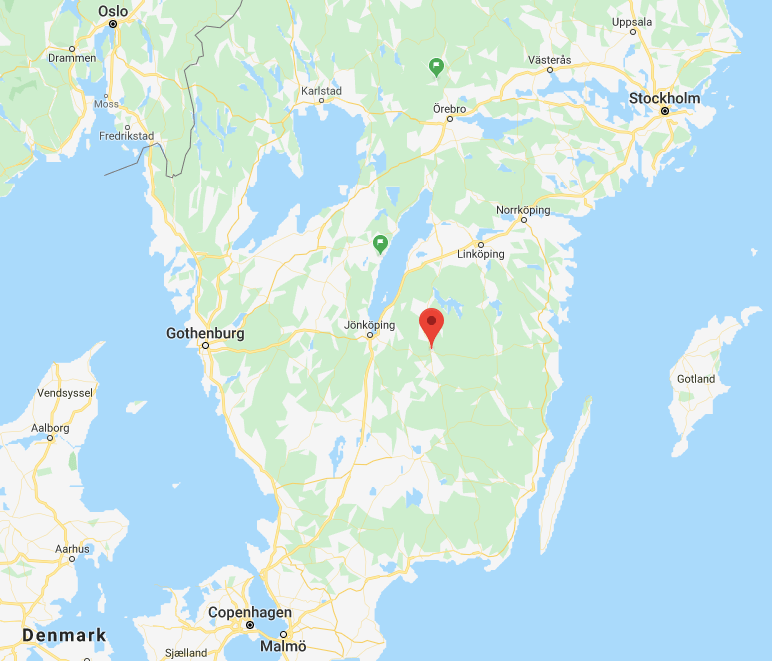
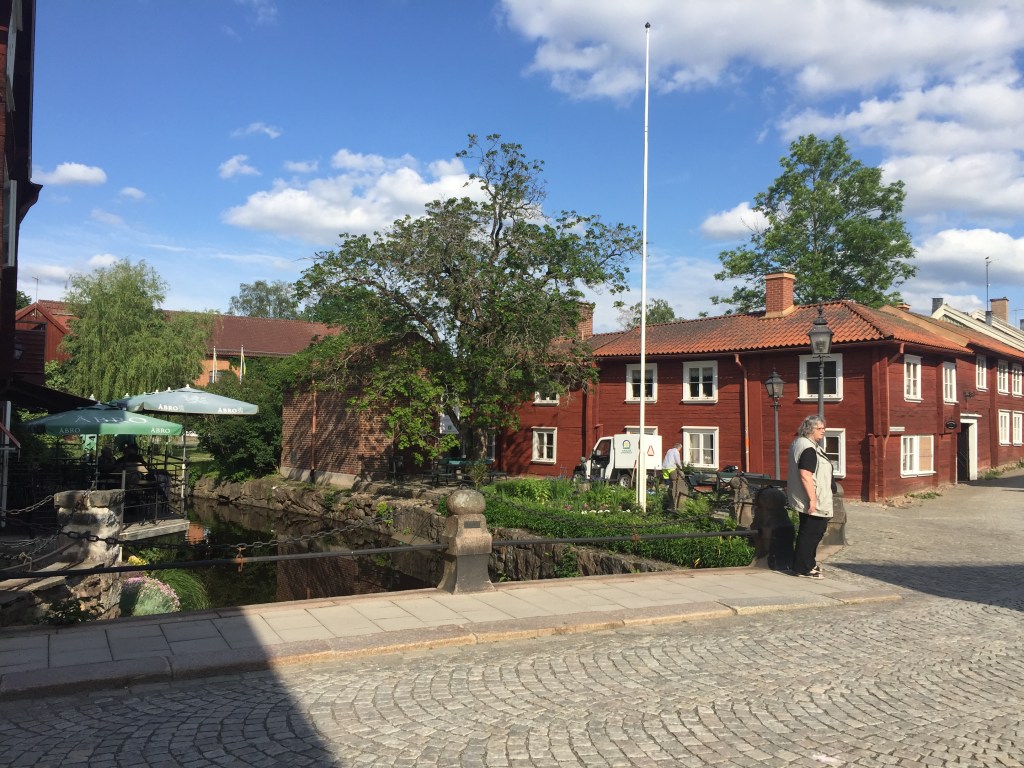
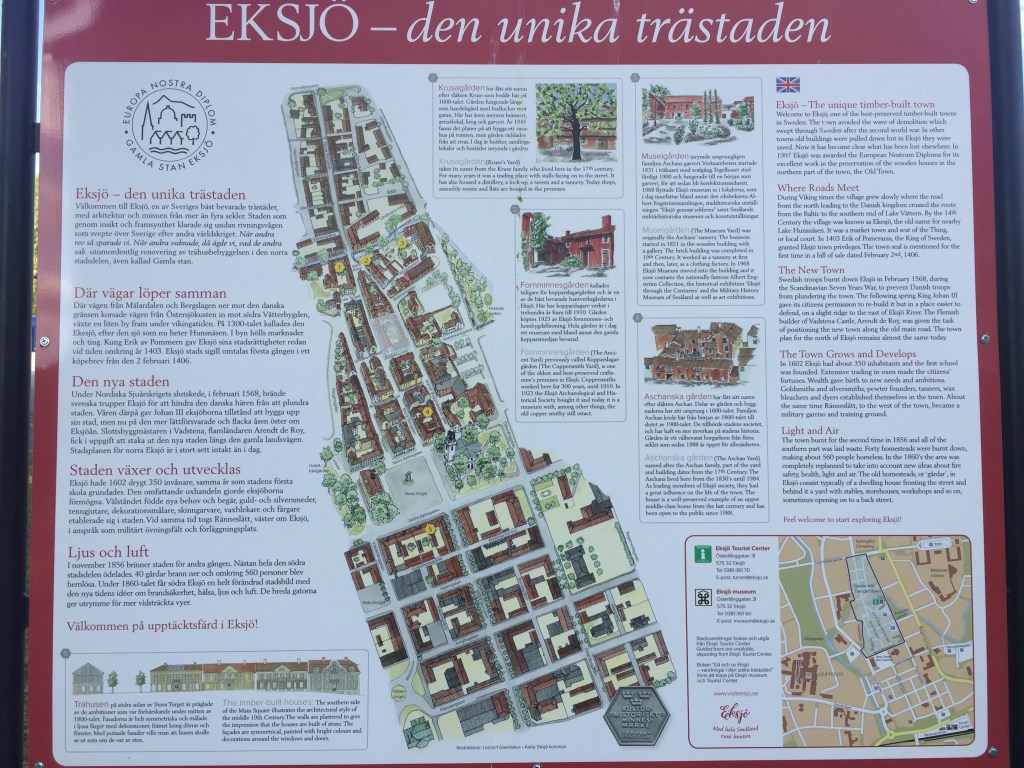
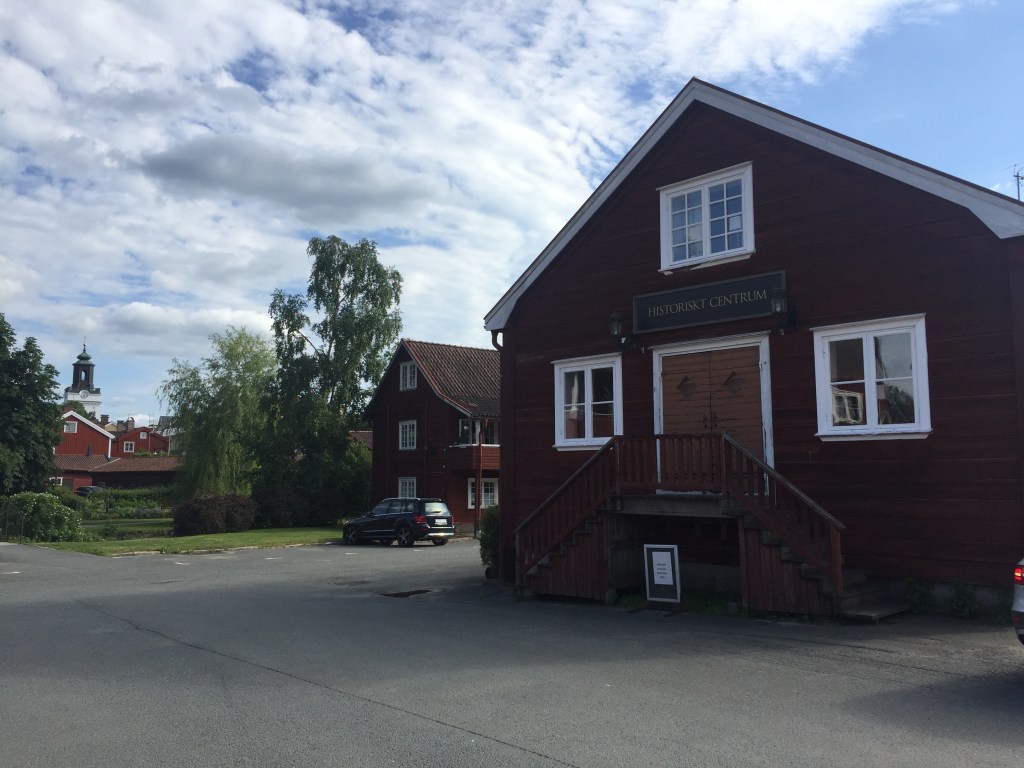
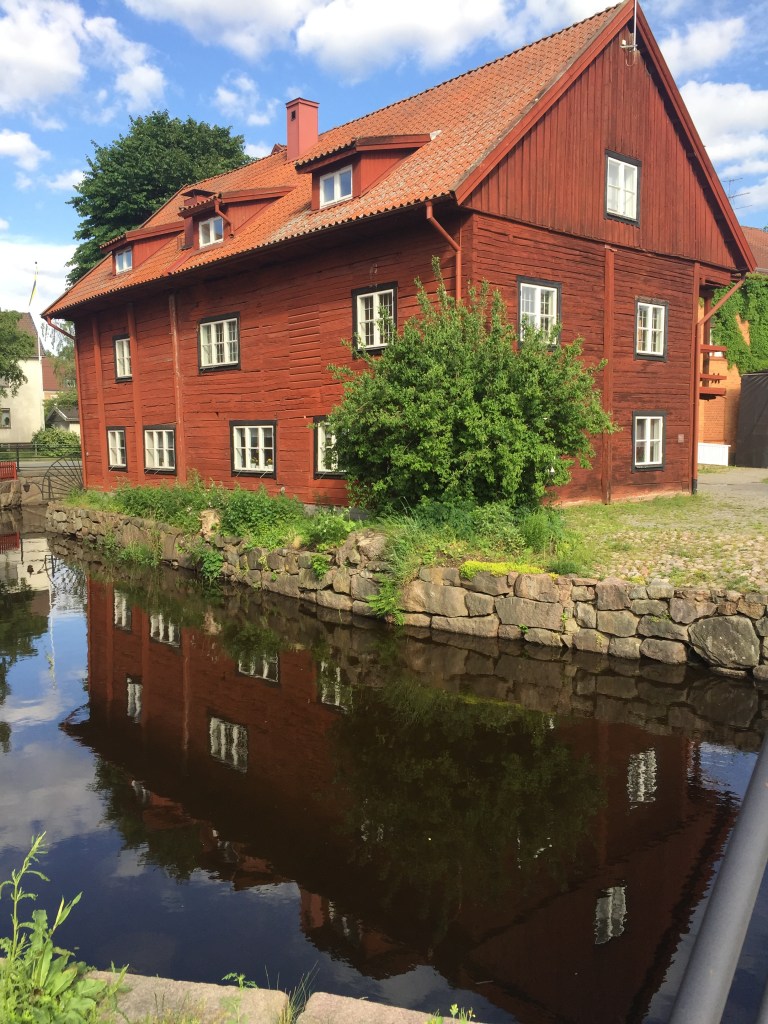
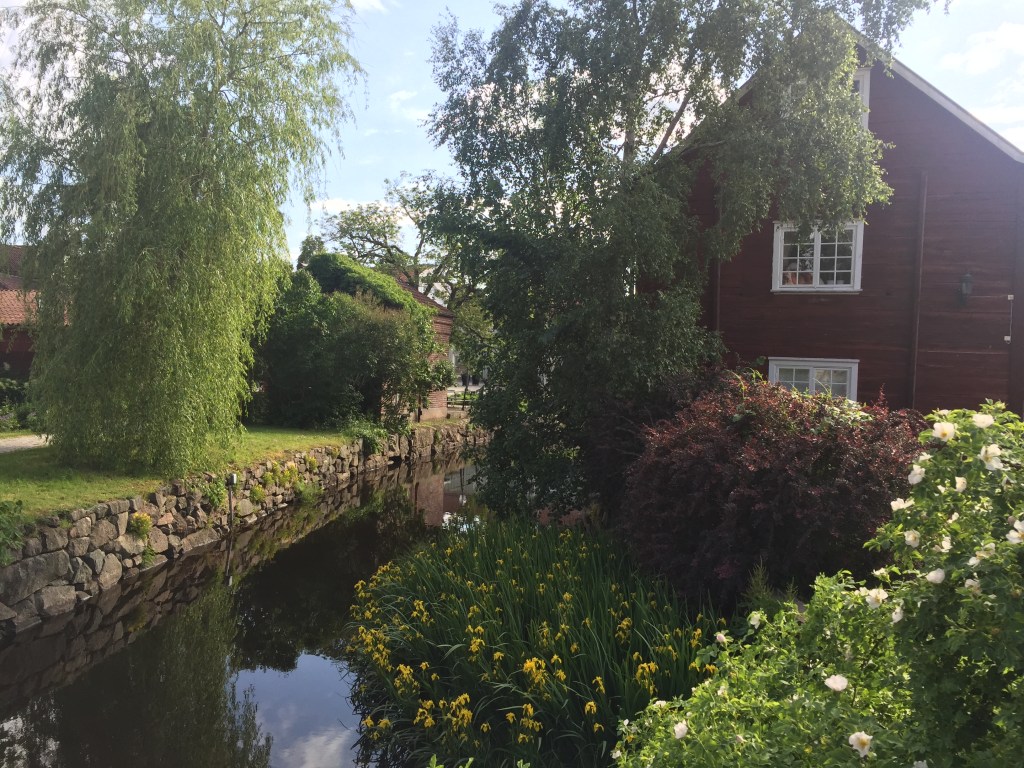
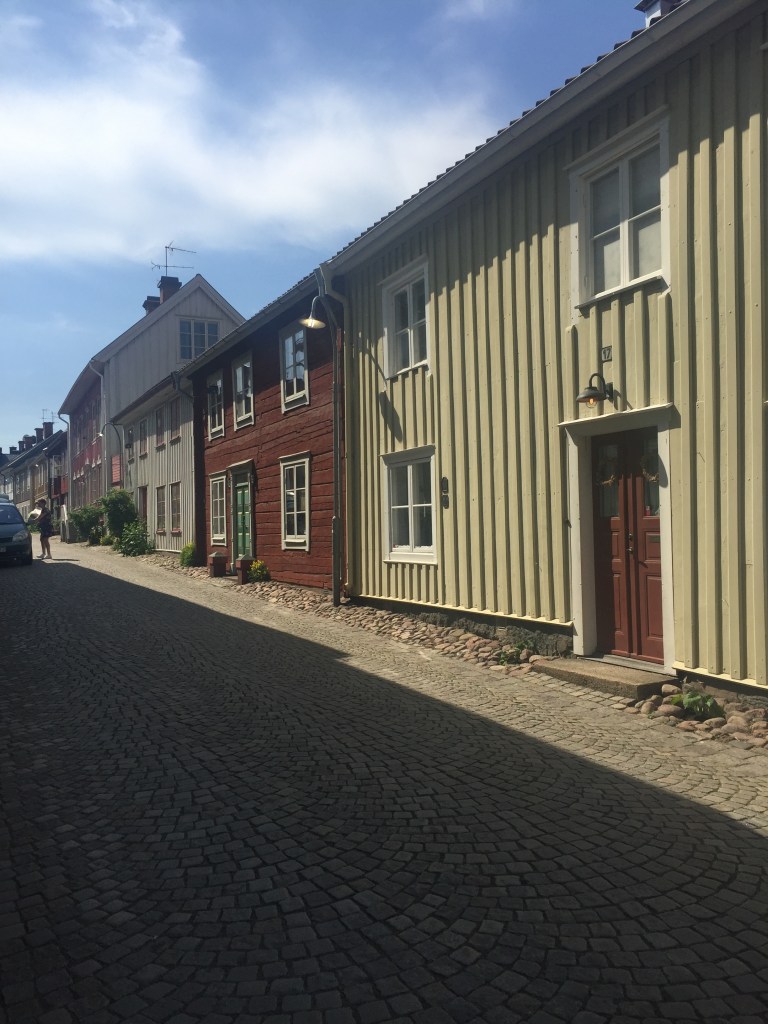
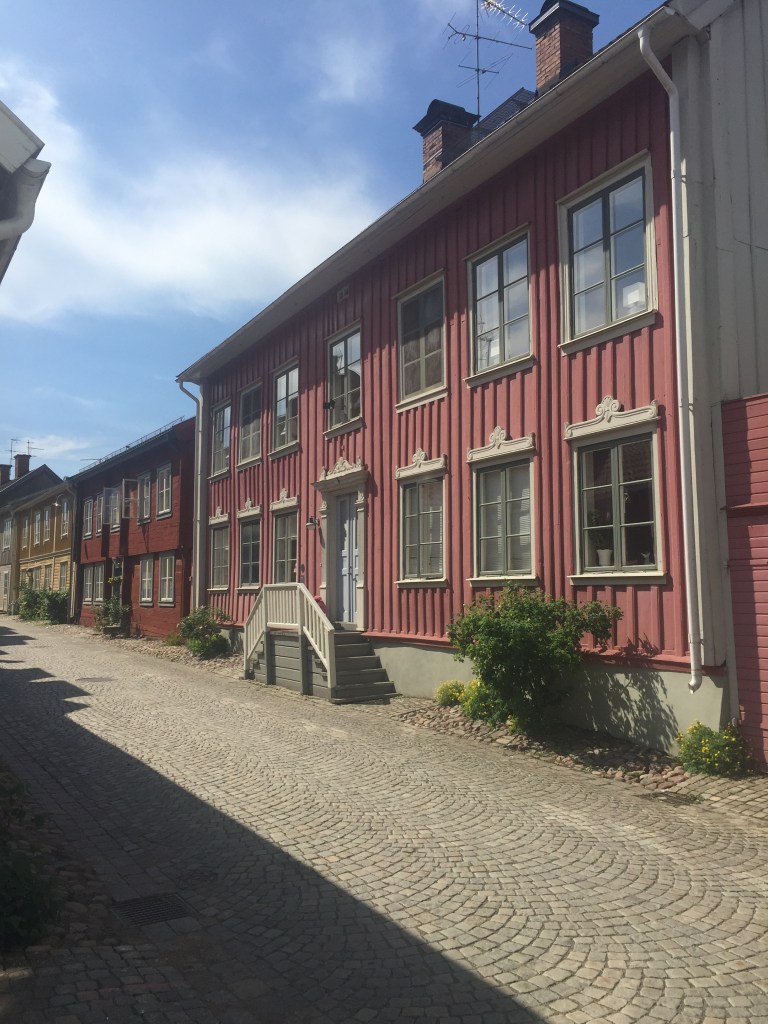
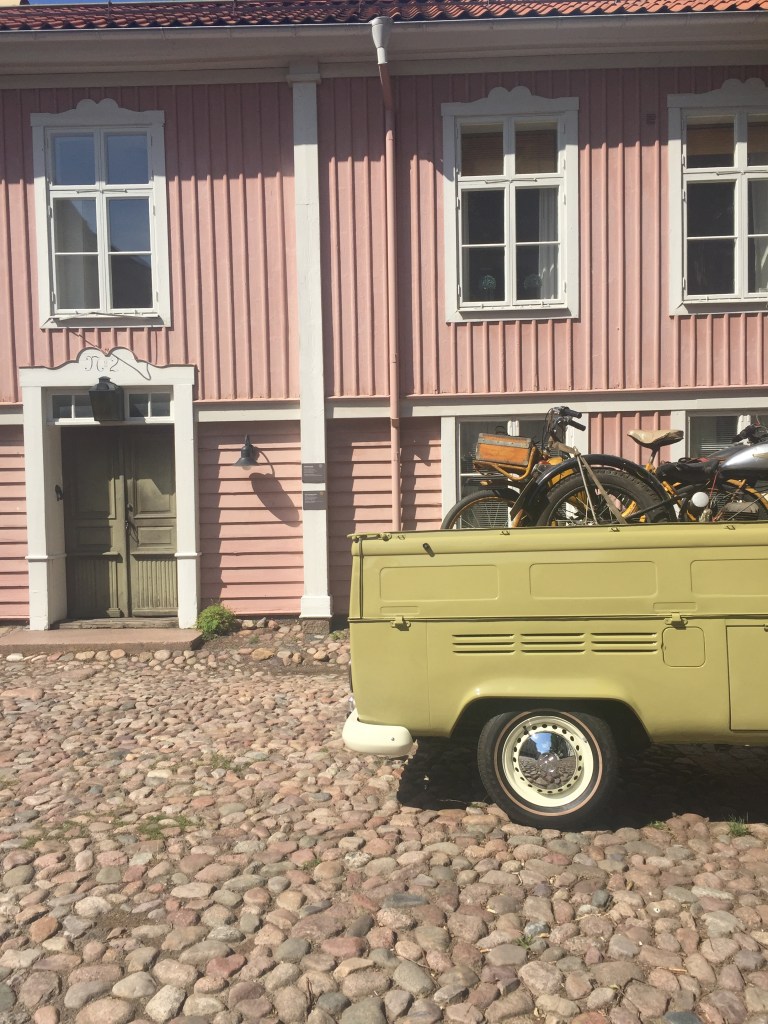
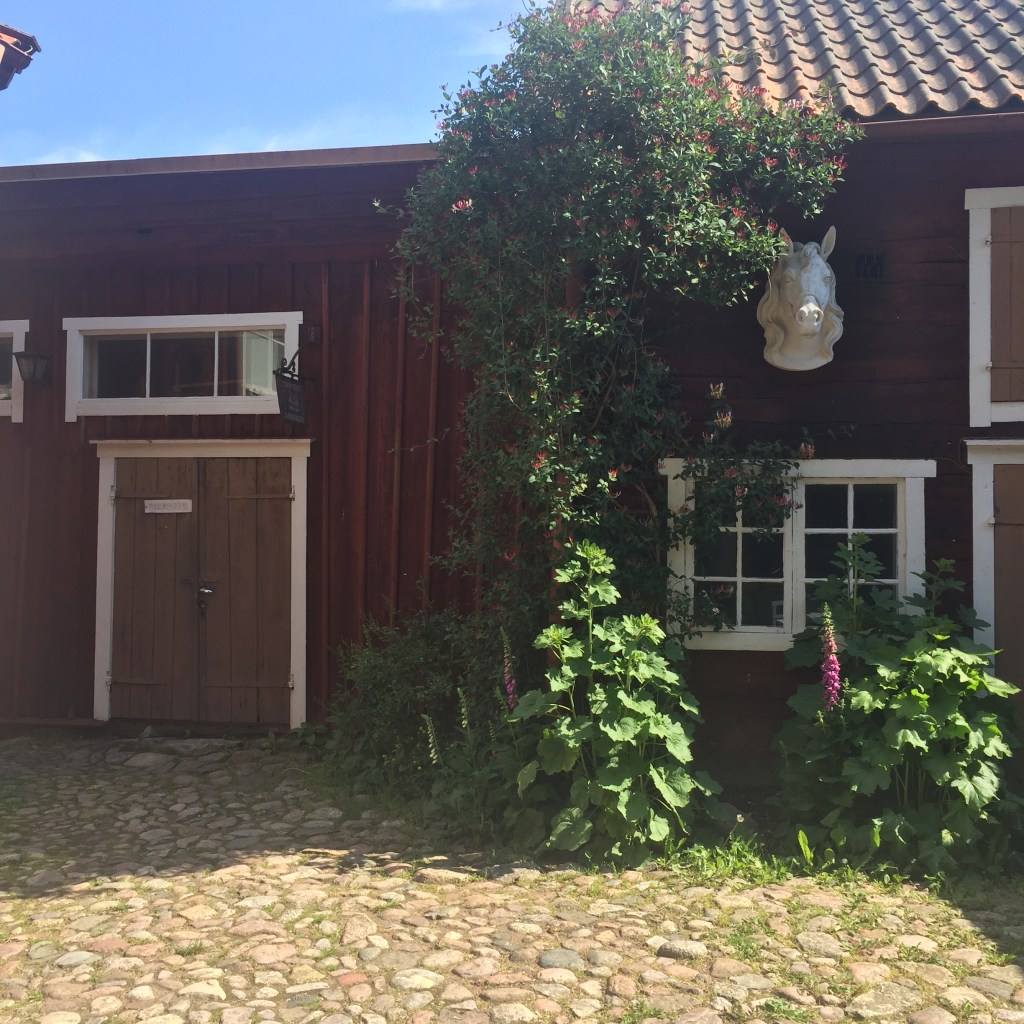
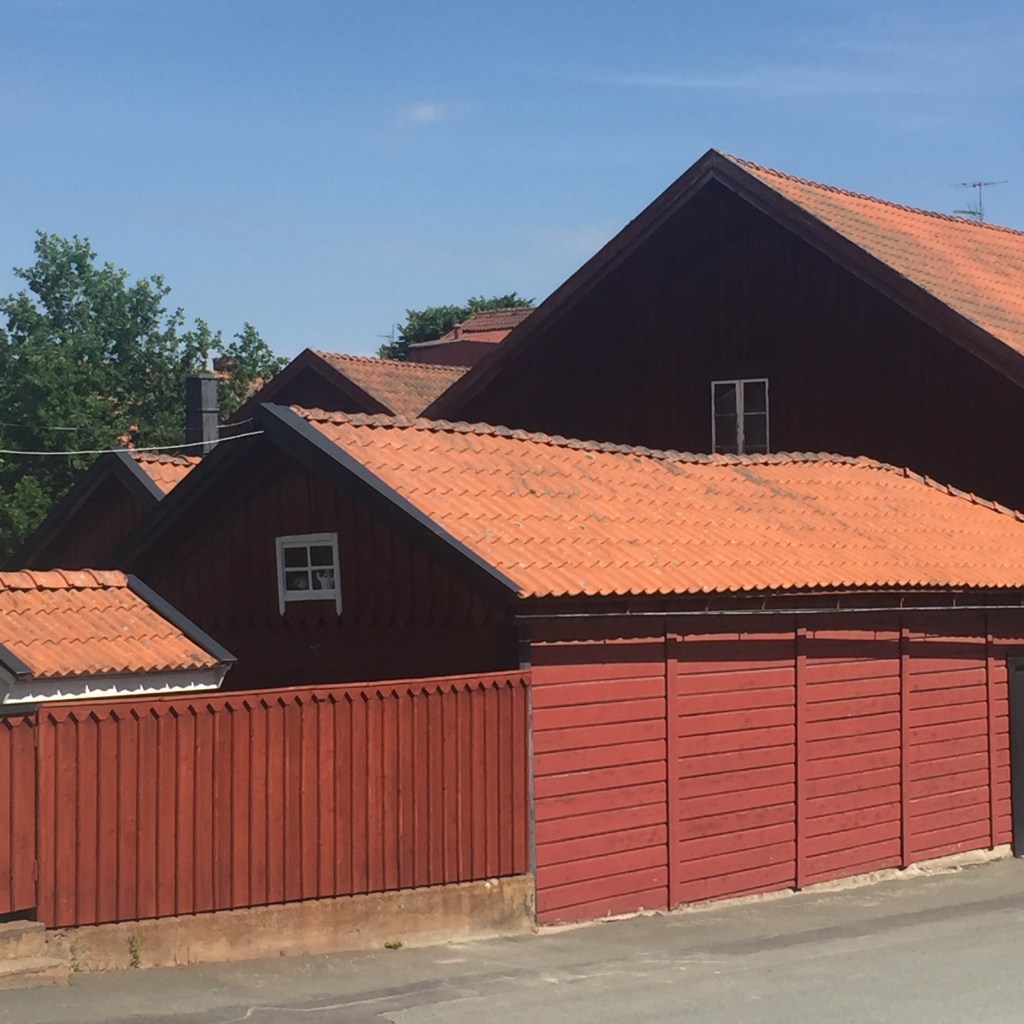
Eksjö was yet another example of the different thoughts and approaches towards preservation that I came across on this trip. Eksjö is known in Sweden as one of the Tre Trästäder – three wooden towns. Eksjö and the other towns, Hjö and Nora, are among the best preserved wooden towns in Sweden and draws its origins from Viking times as early as 1403. I was excited to compare their methods and success in recognition and advocacy with the towns I had seen in Norway.
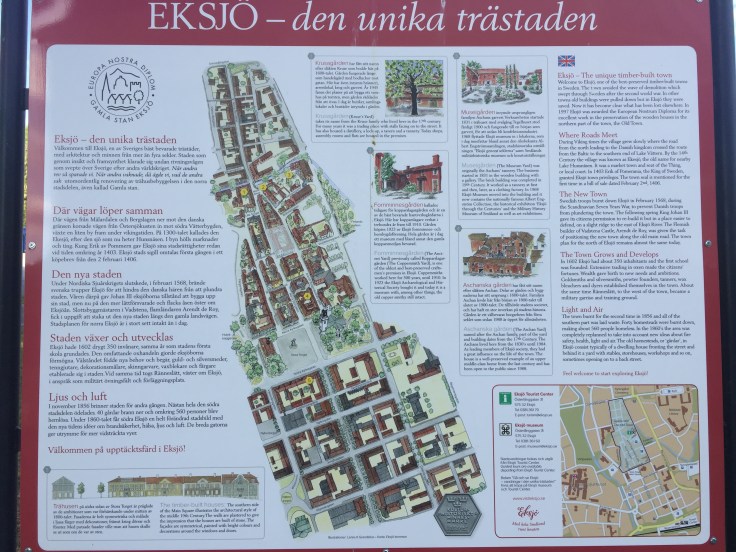
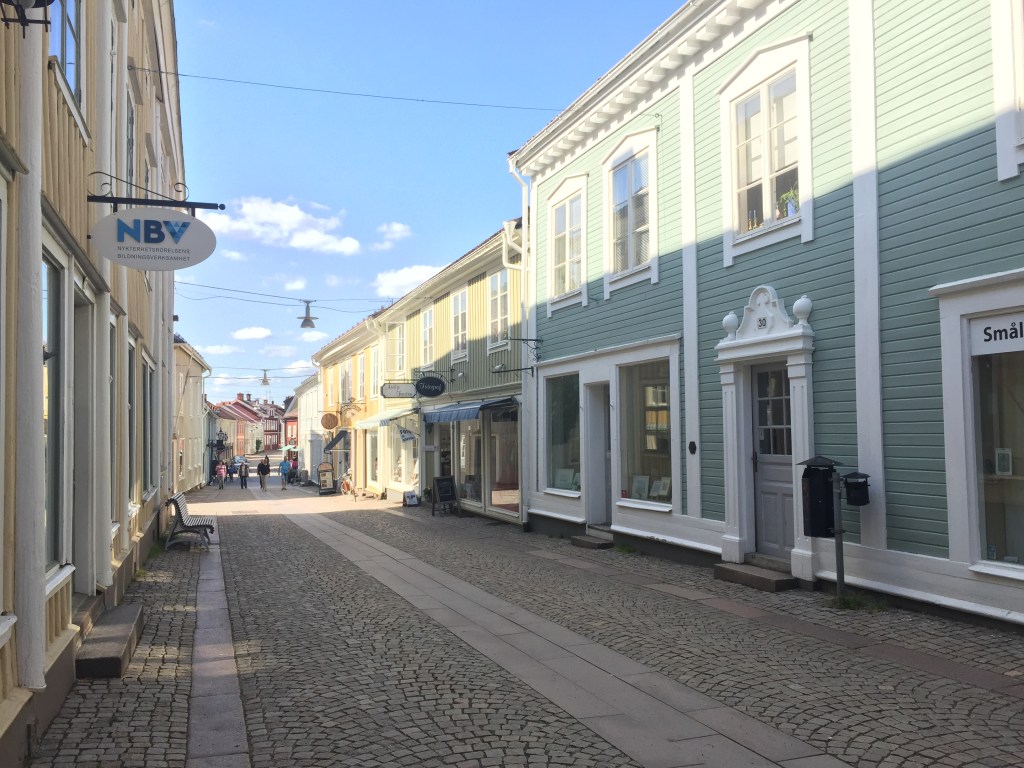
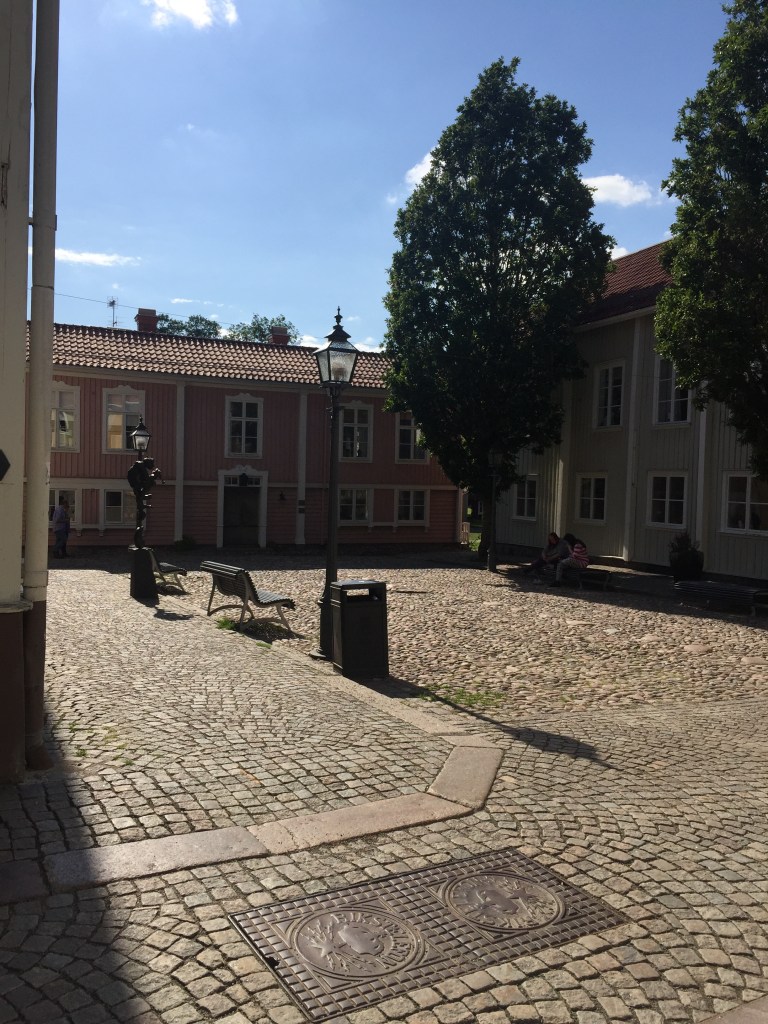
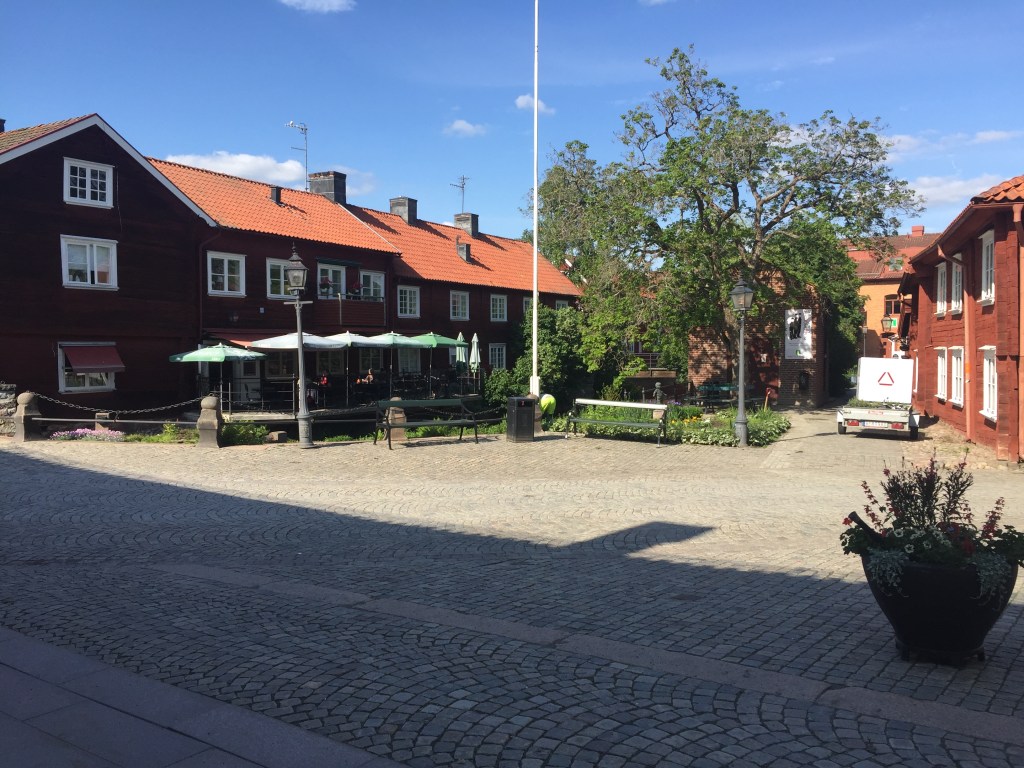
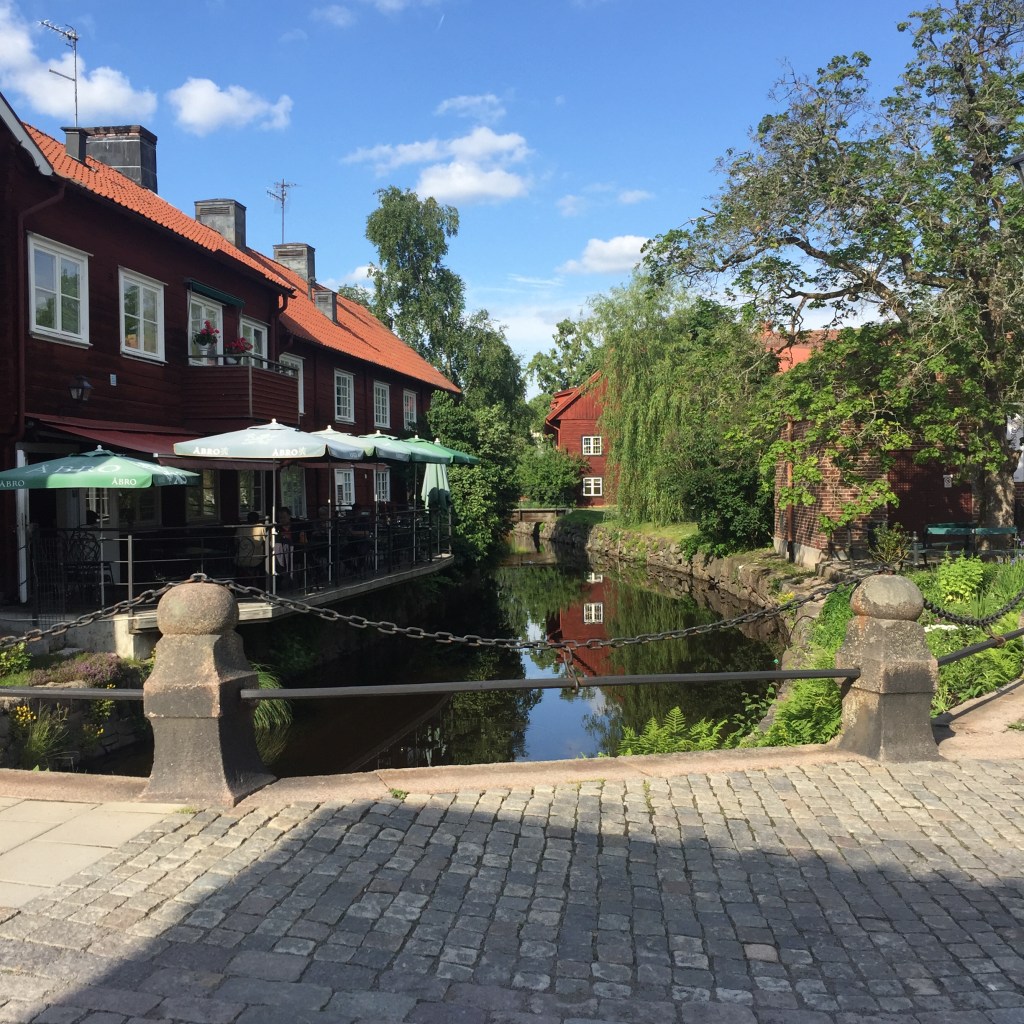
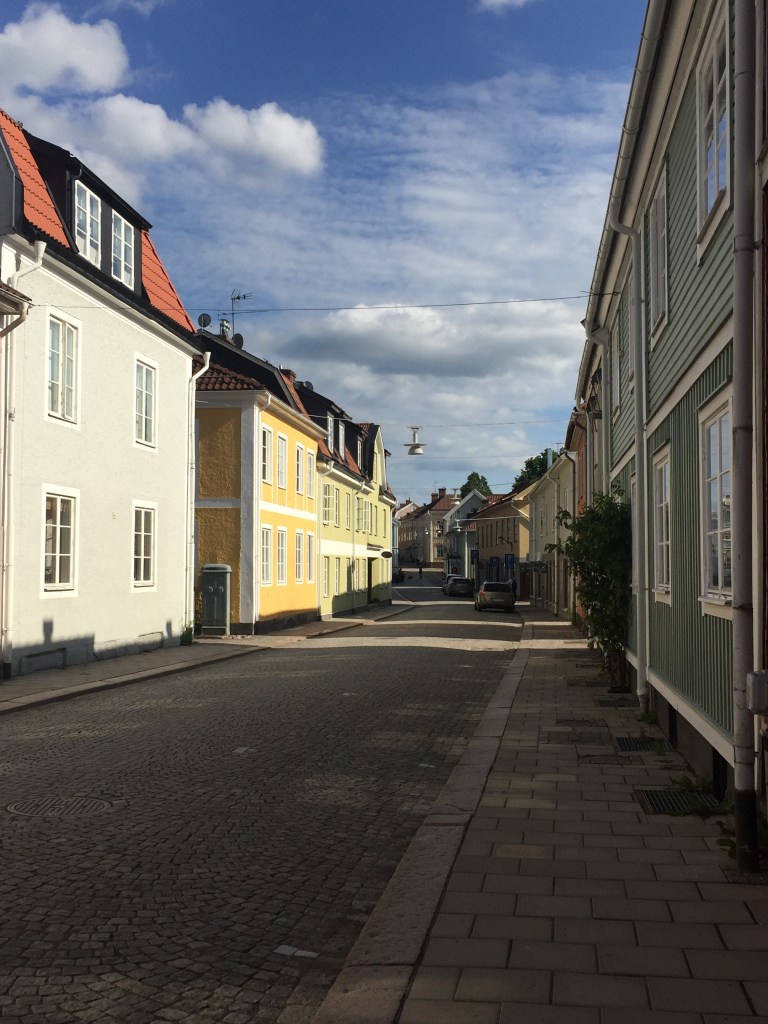
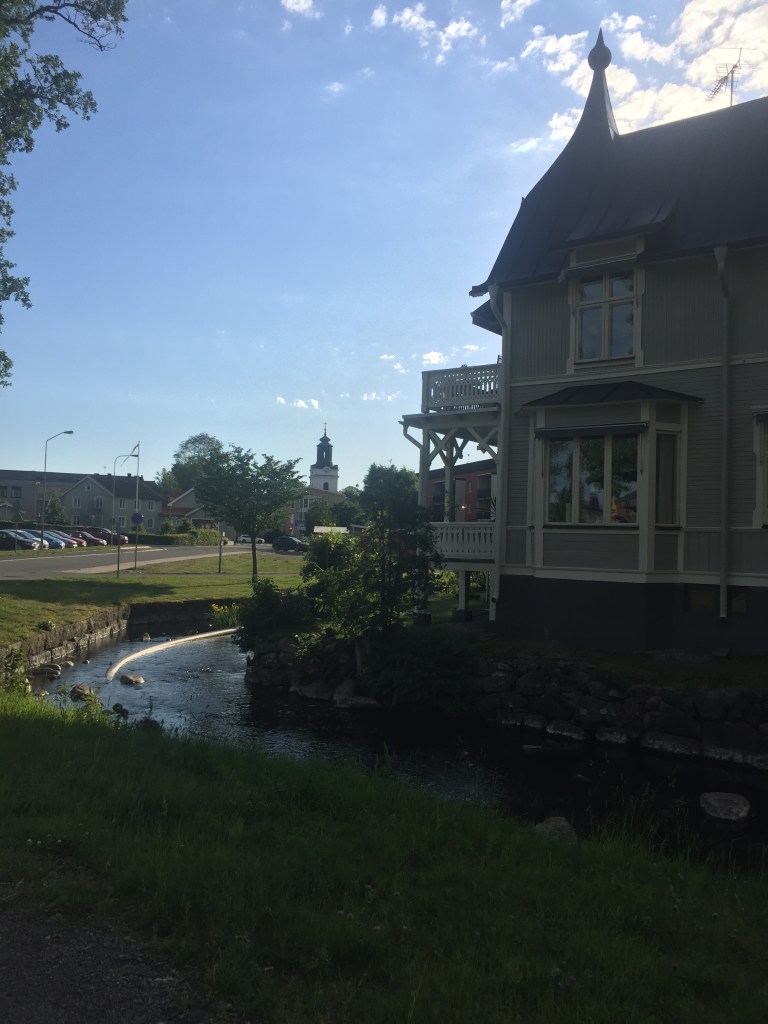
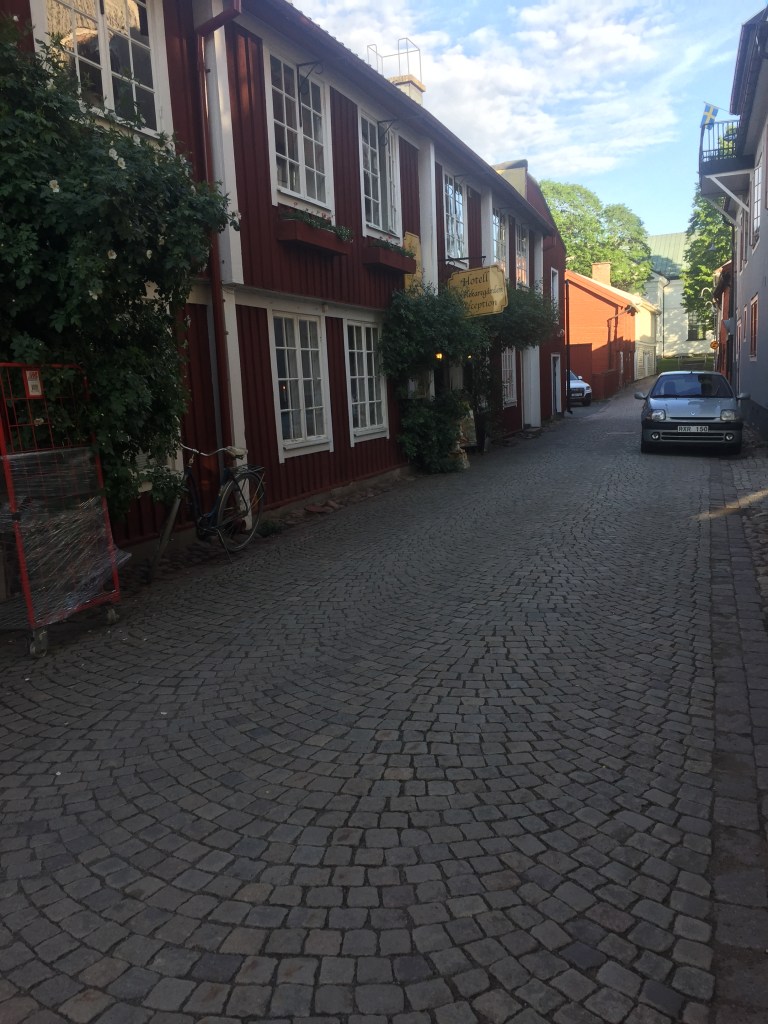
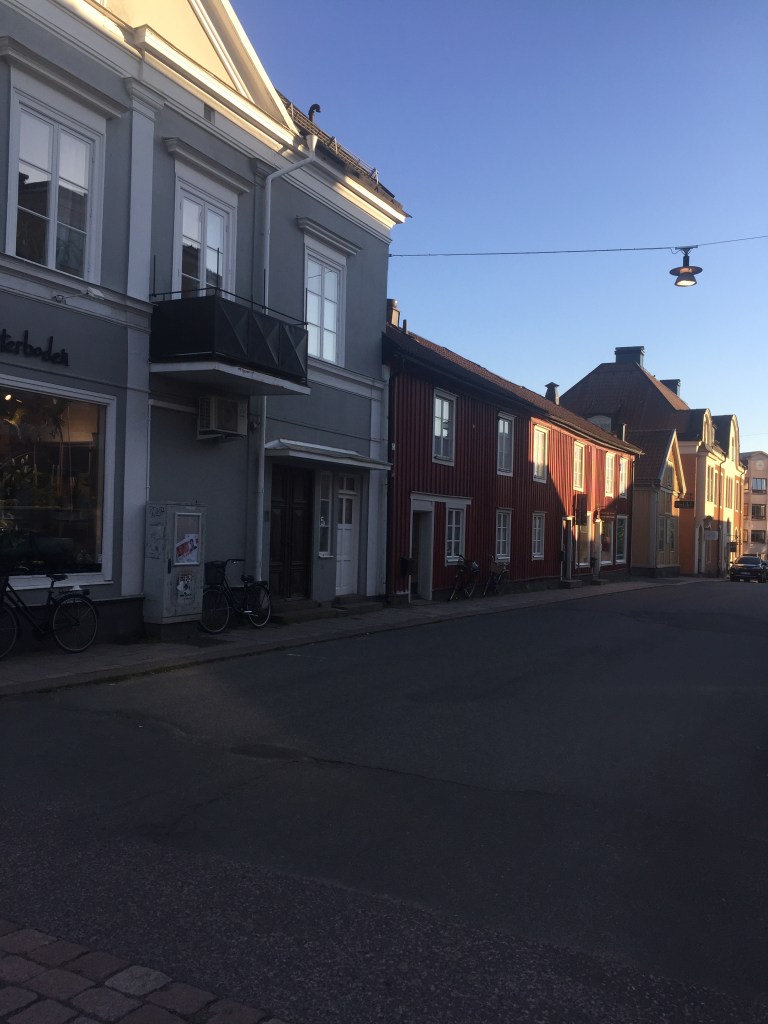
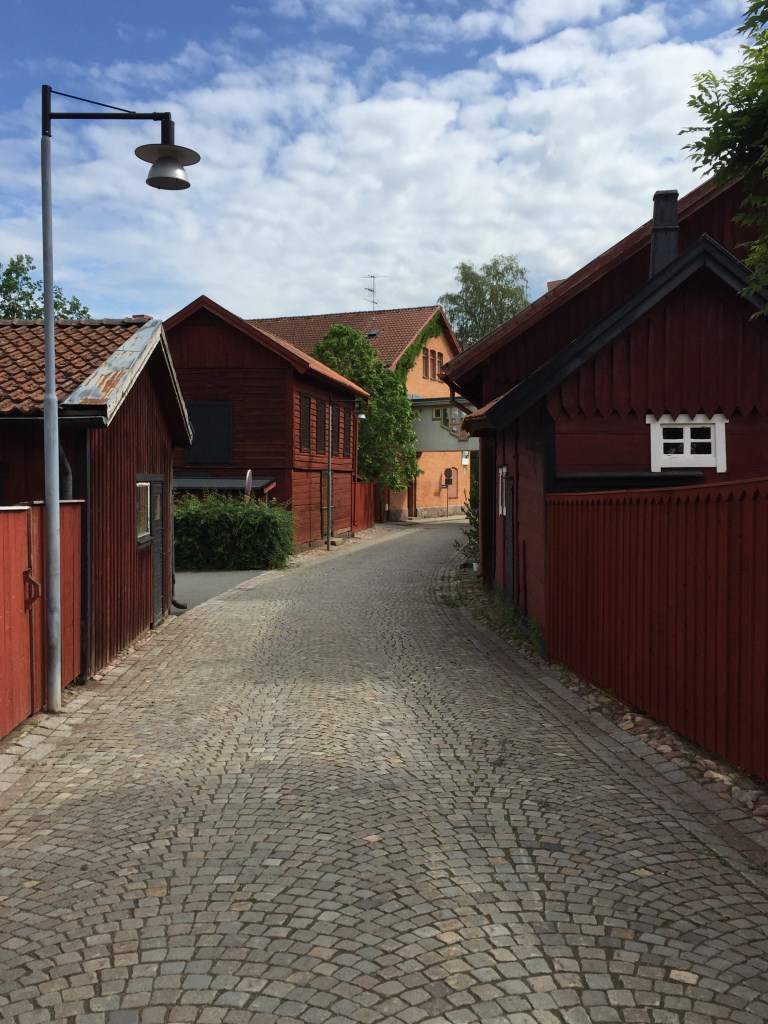
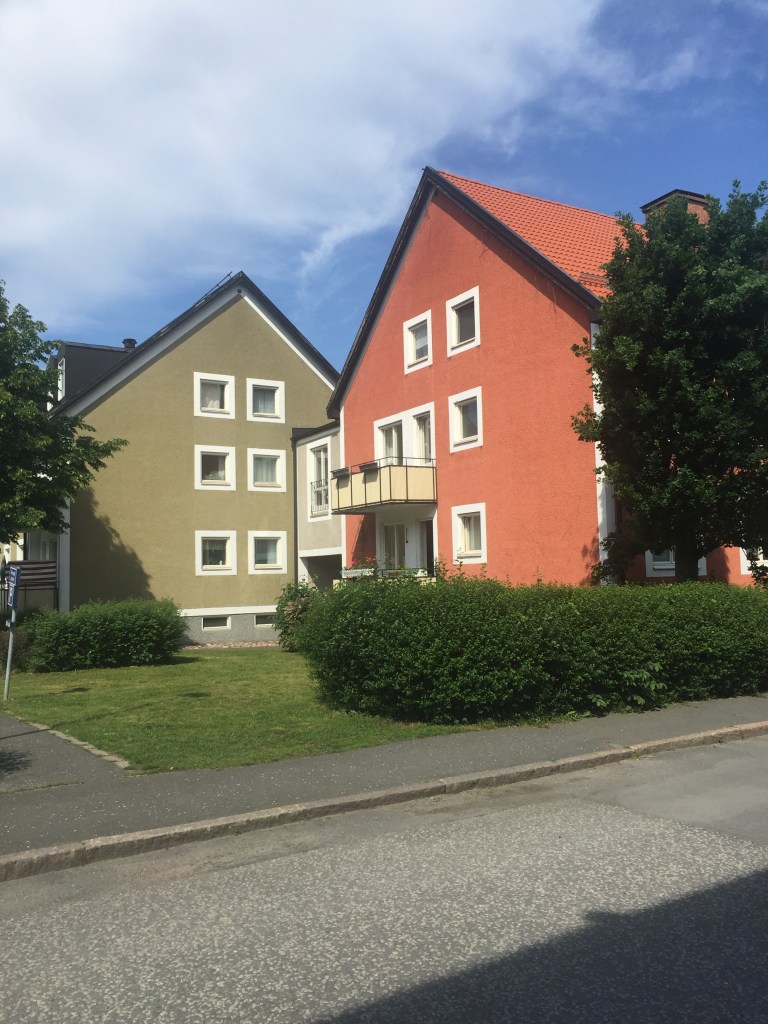
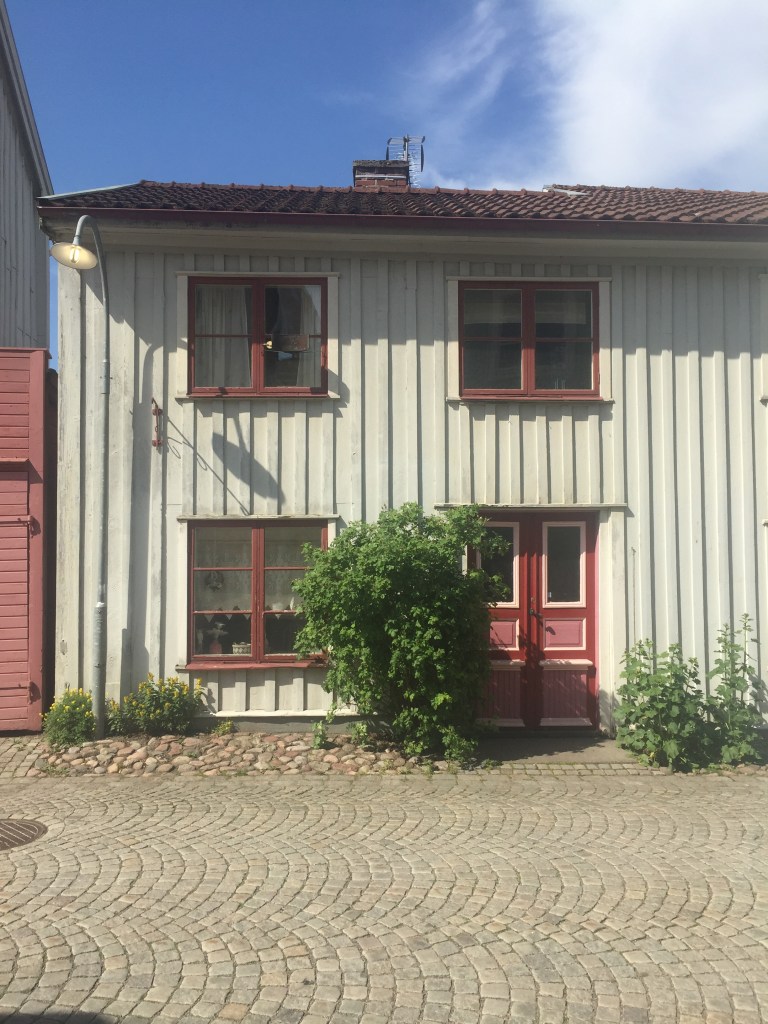
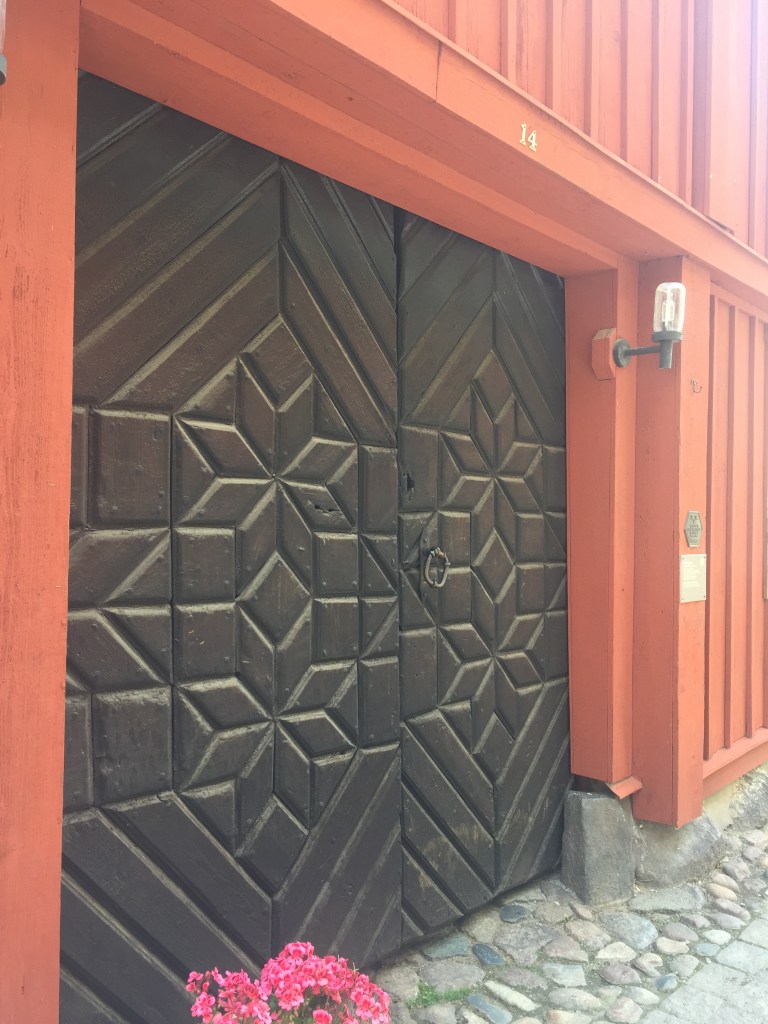
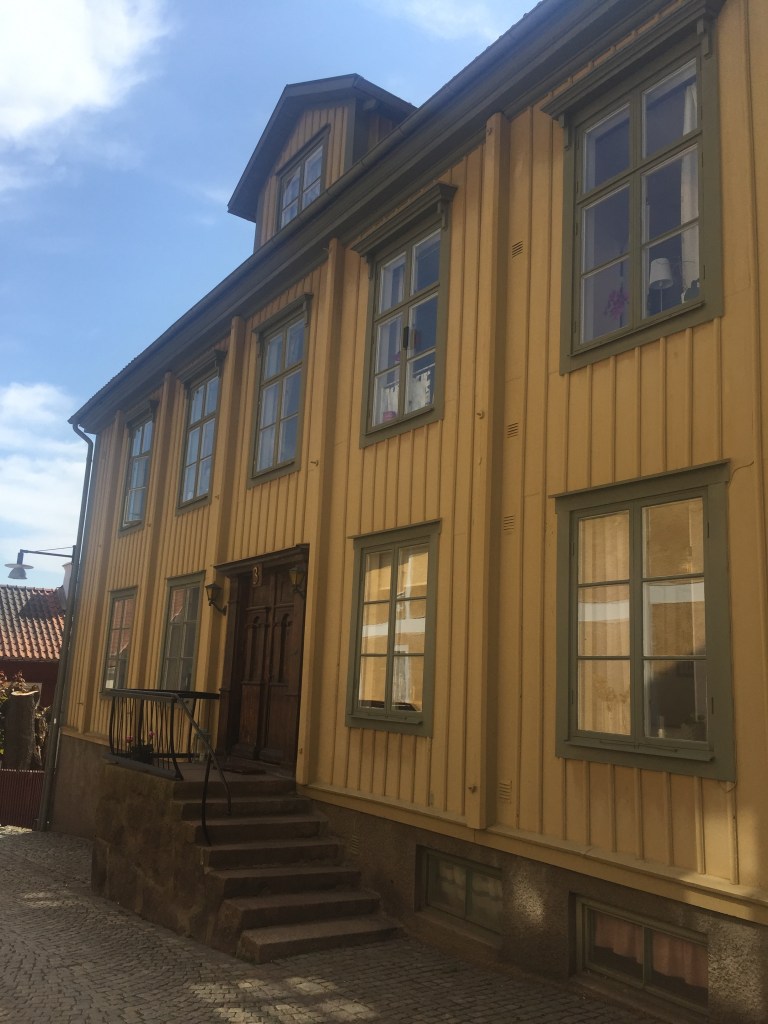
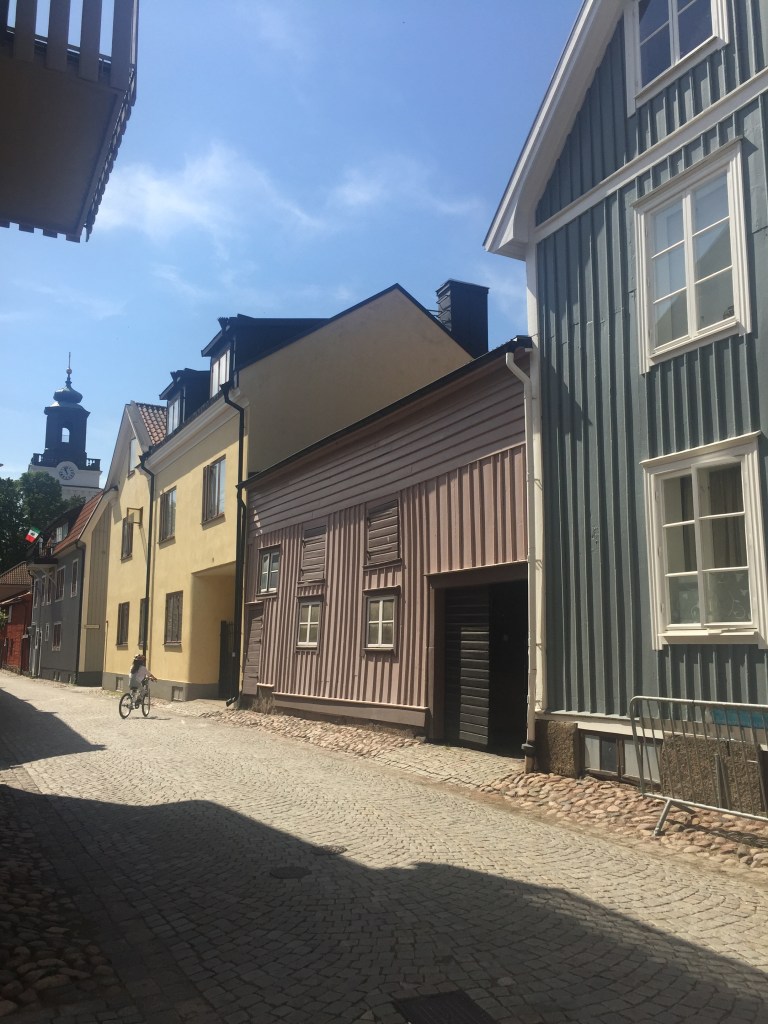
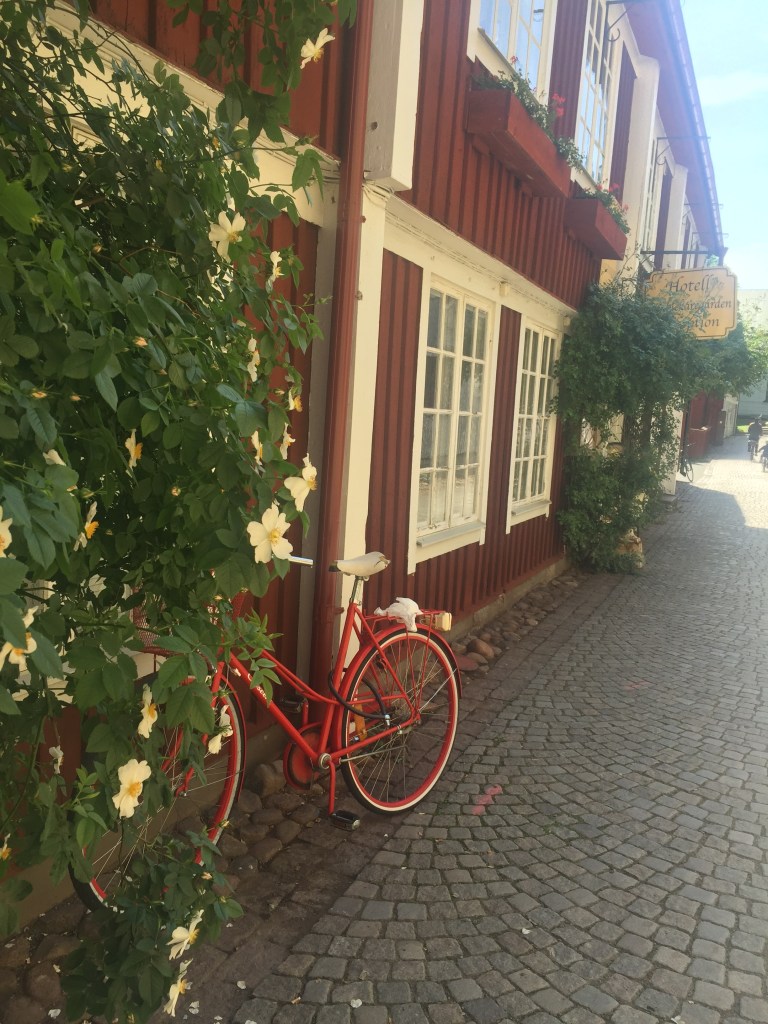
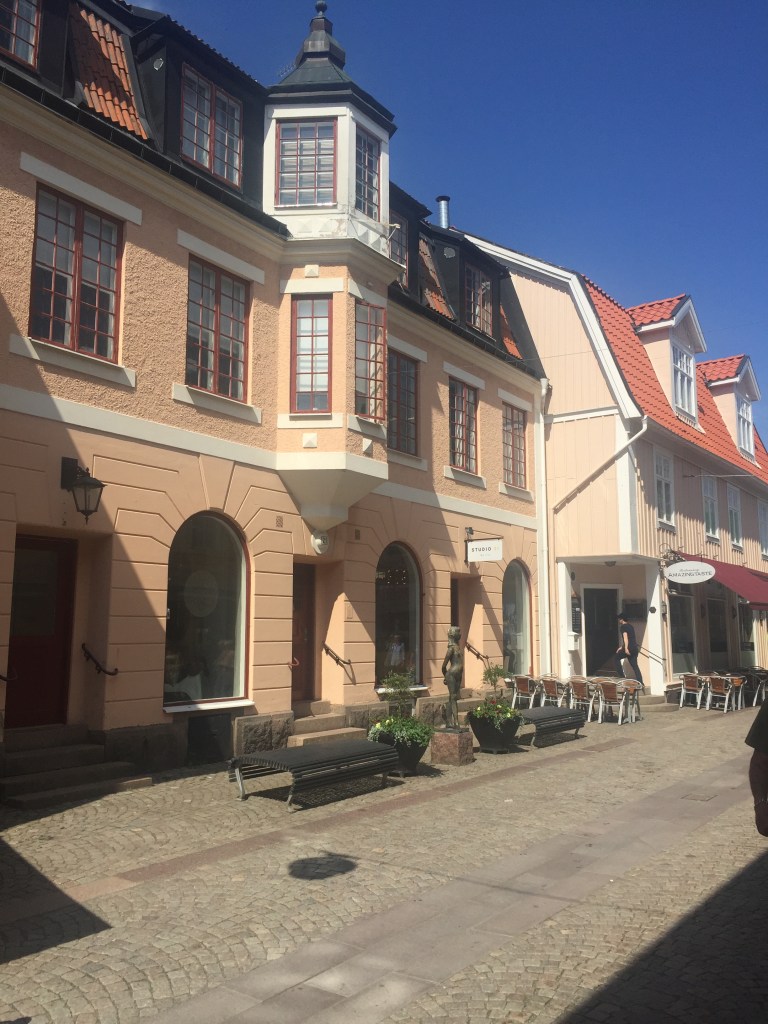
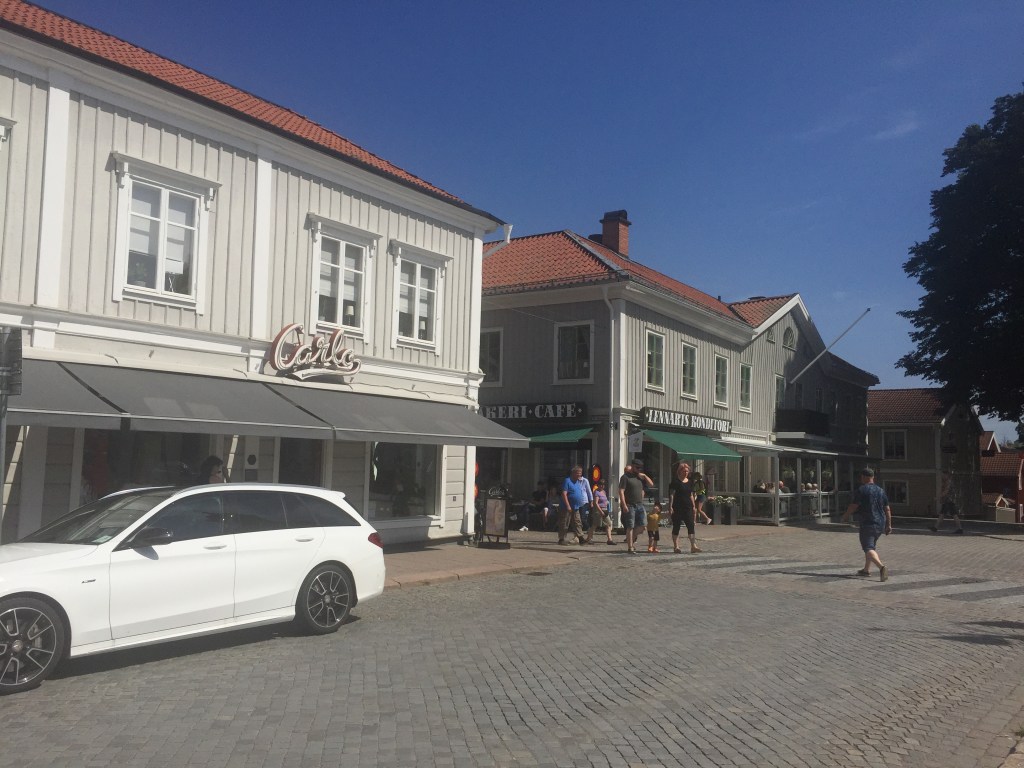
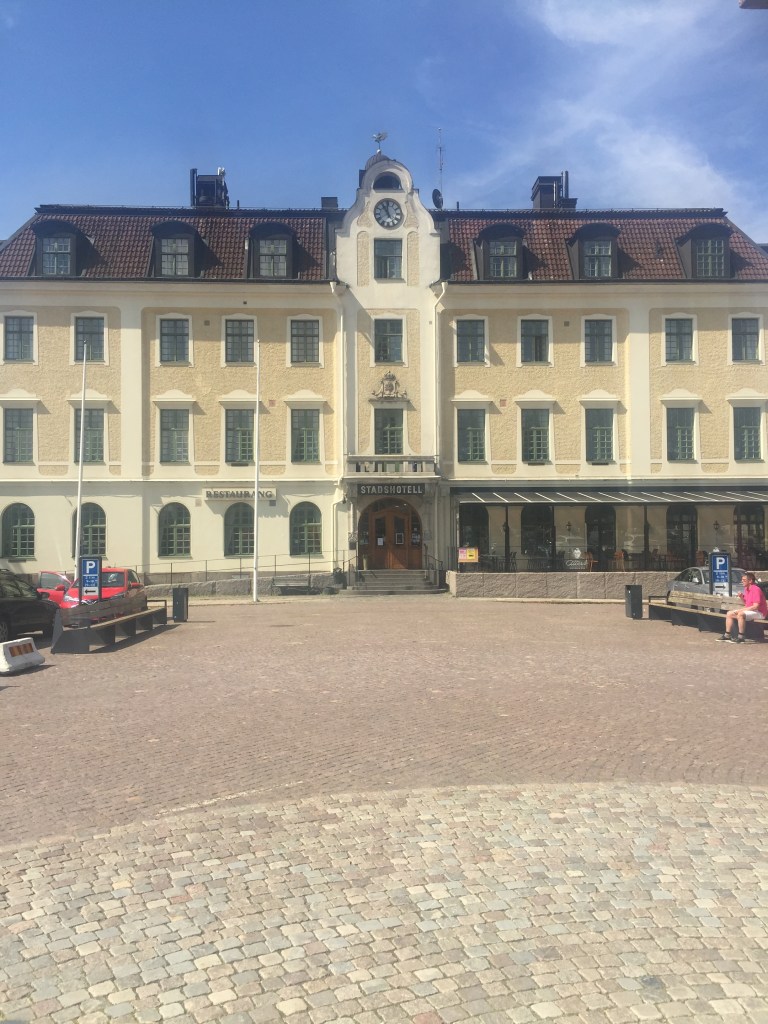
The historic area of Eksjö is divided into two sections, separated by the historic Eksjö Stadshotell where I was staying, the central square, and Eksjö Kyrka. The town, like many others I visited, was devastated by a fire – this one in 1856. The fire destroyed the southern half of the town and allowed for the rebuild to take into consideration light, air, and circulation, so the new area reflects an organized grid with buildings surrounding courtyards, outhouses, and stables. The northern half of the town, now called the “Old Town” is nearly identical to the town plan of 1568. Indeed, the town won the Europa Nostra award for commendable preservation of this area in 1997. As the southern half of town was being reconstructed and for a time thereafter, the “Old Town” was expected to also be brought up to the same modern considerations for circulation, etc. This resulted in a building or two being rebuilt in a newer style and set back from the street. As this only actually happened in a few cases, it provides a unique timeline for this neighborhood and perhaps also a nice rest spot along the busy street!
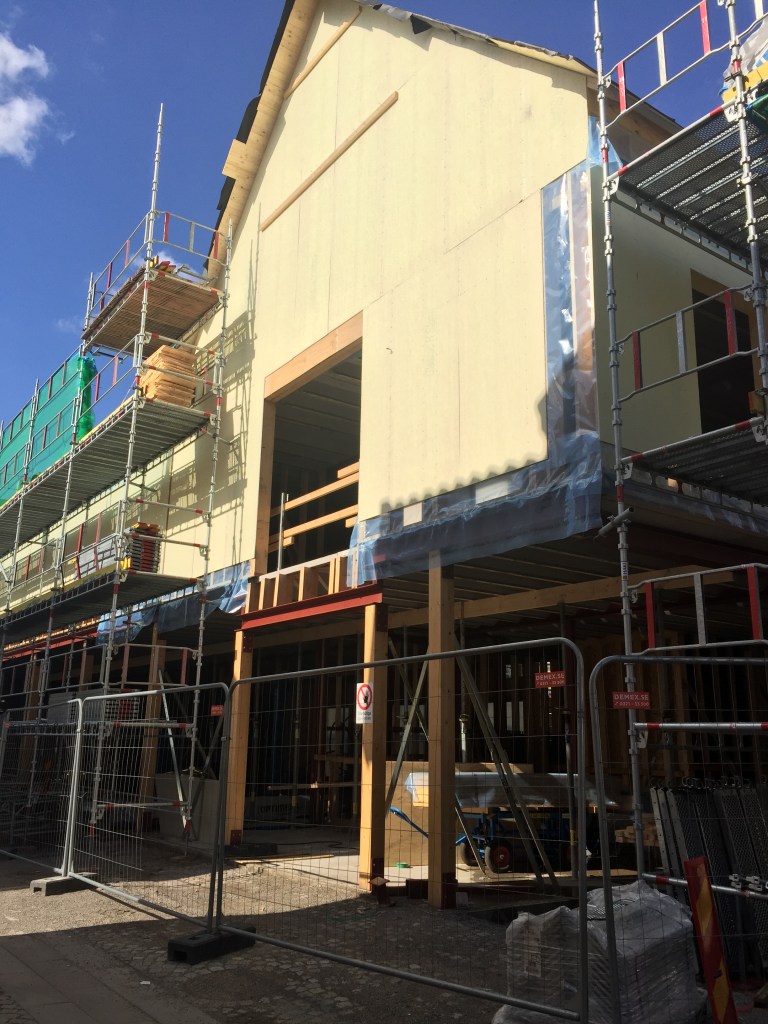
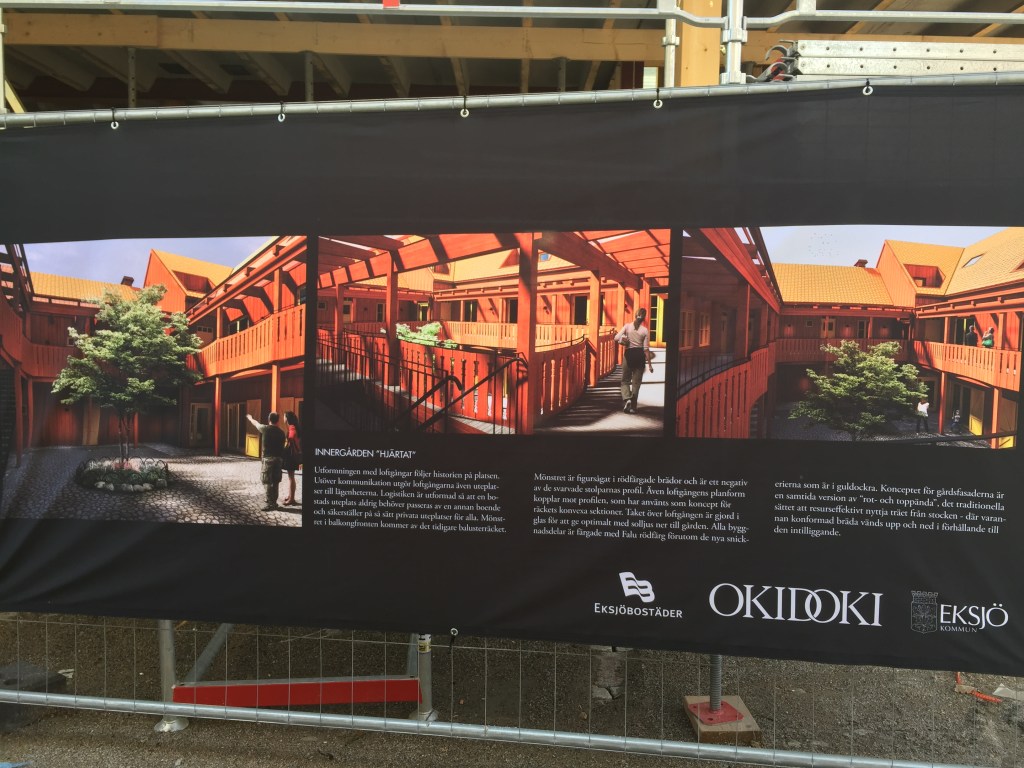
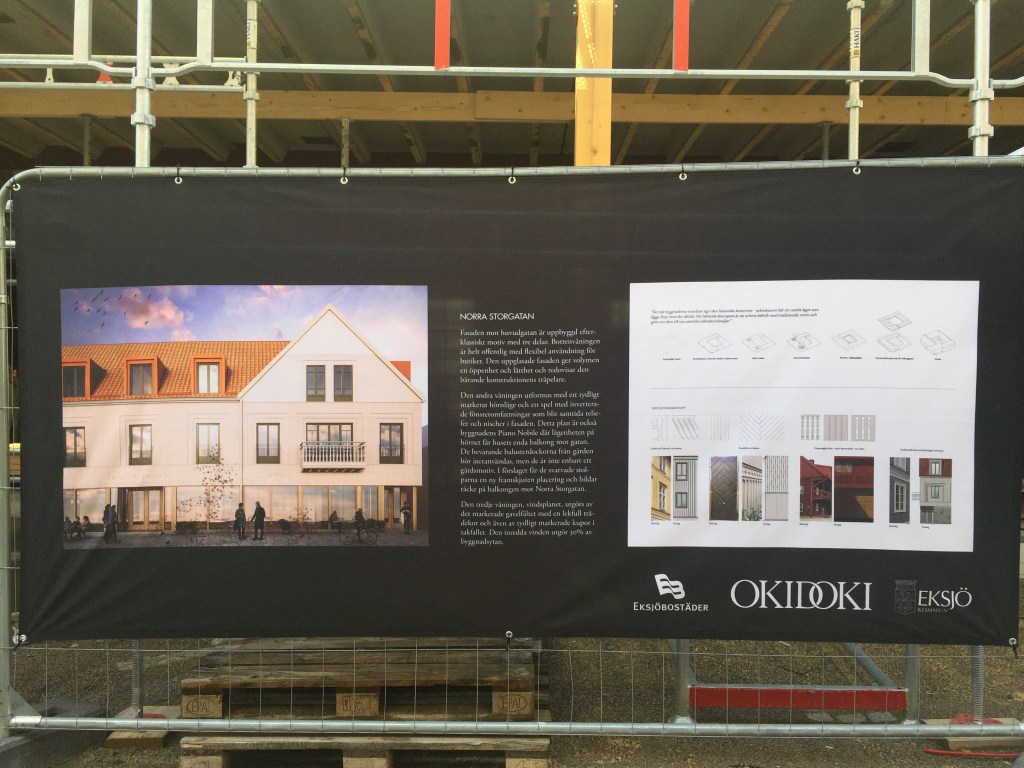
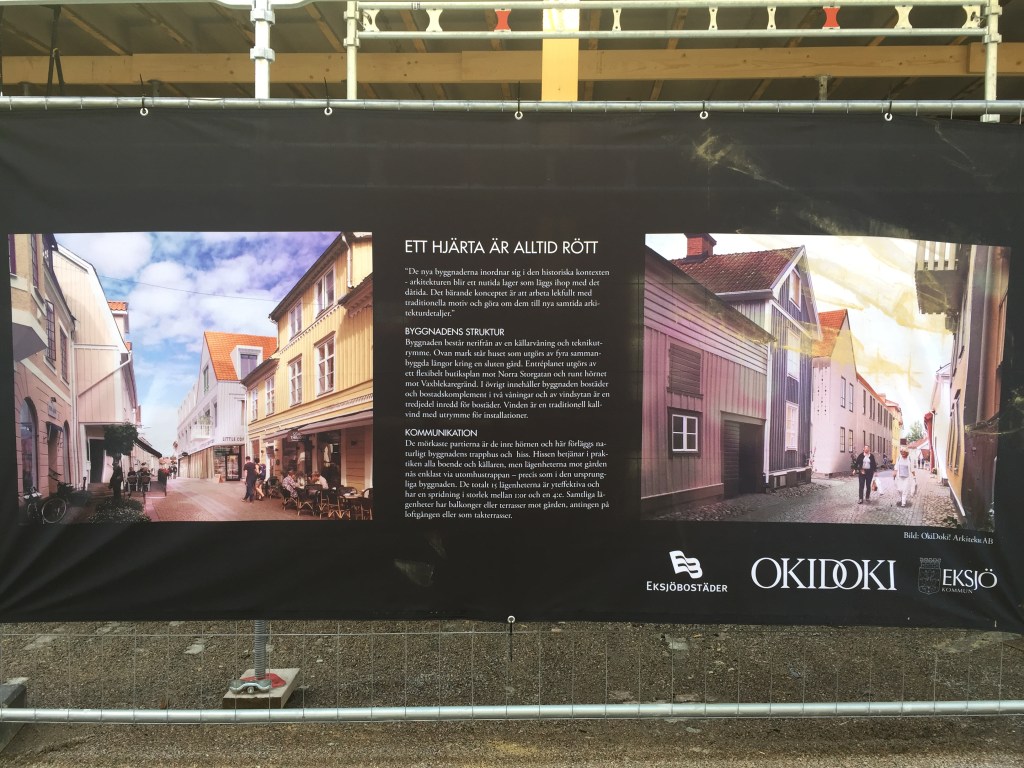
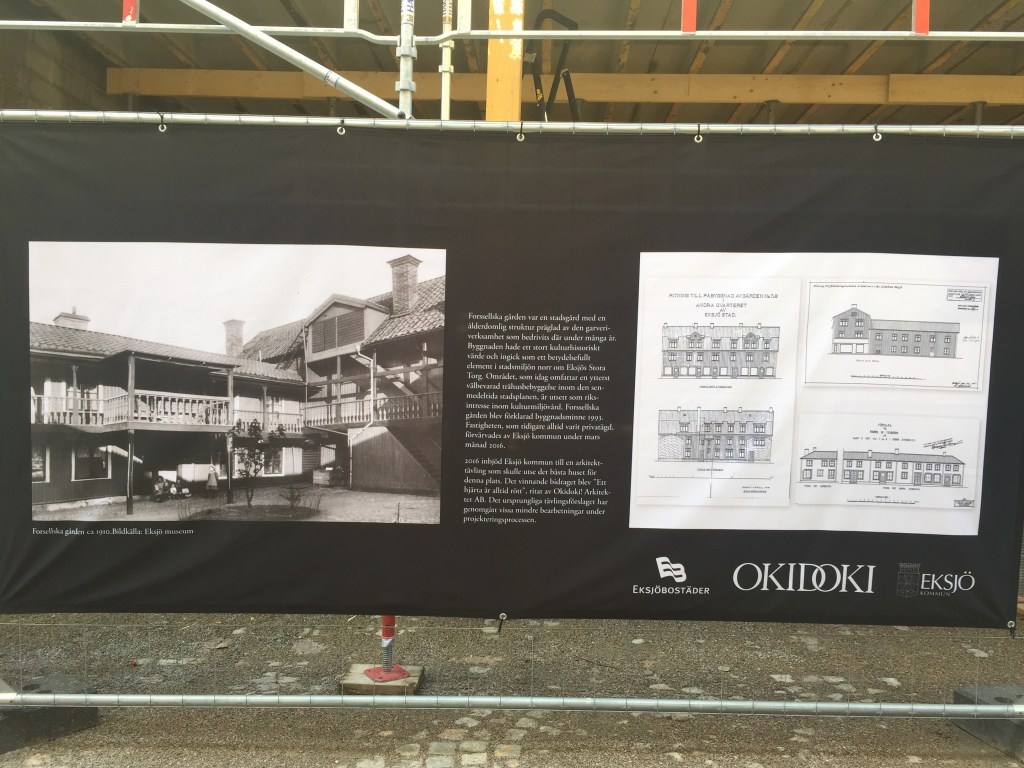
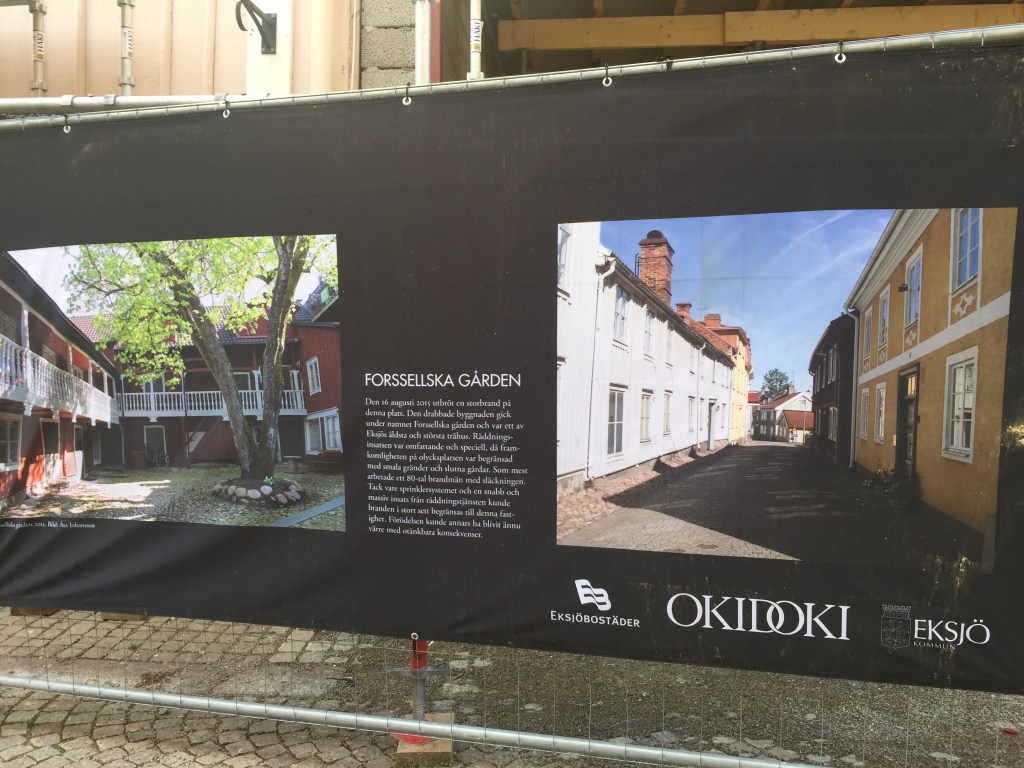
My first day in Eksjö, I quickly came across a large building under construction near the central square. It was apparent that it was the former site of a historic building, and further information on site showed that it had been destroyed by a fire only a few years prior. The replacement appeared to be reminiscent of the old building, but decidedly modern. I was hoping to understand more about this project from meeting with the town architect, Louisa Botero, who I had met at the Nordisk Treby conference several weeks prior.
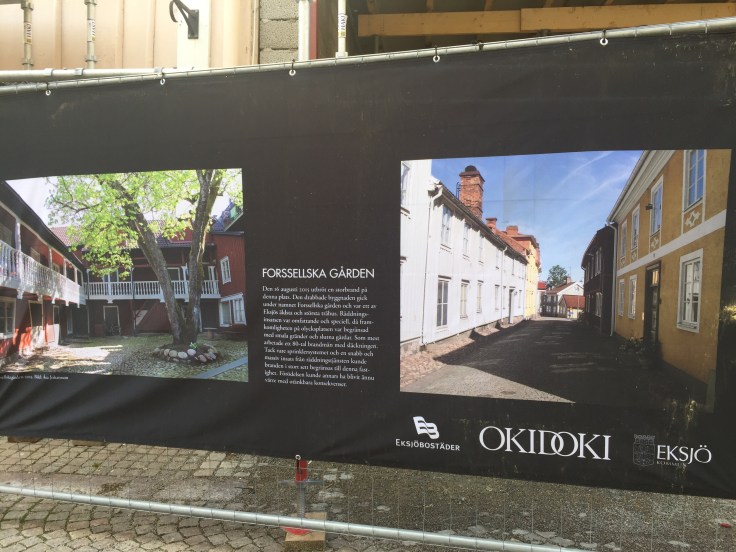
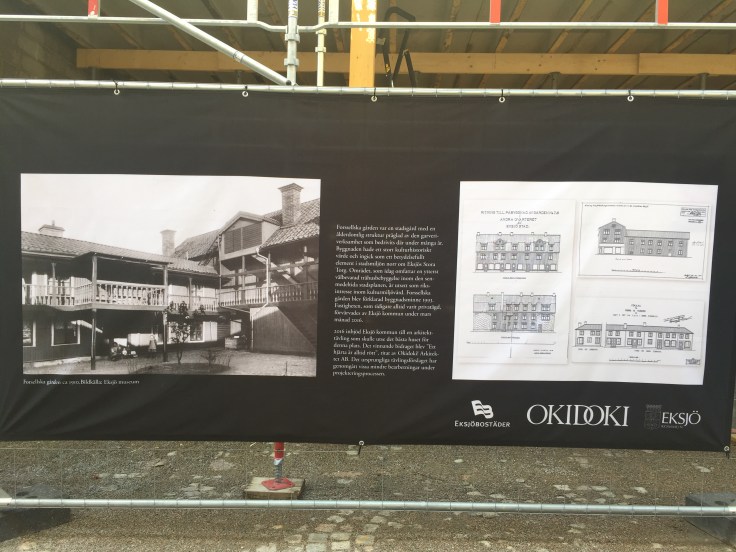
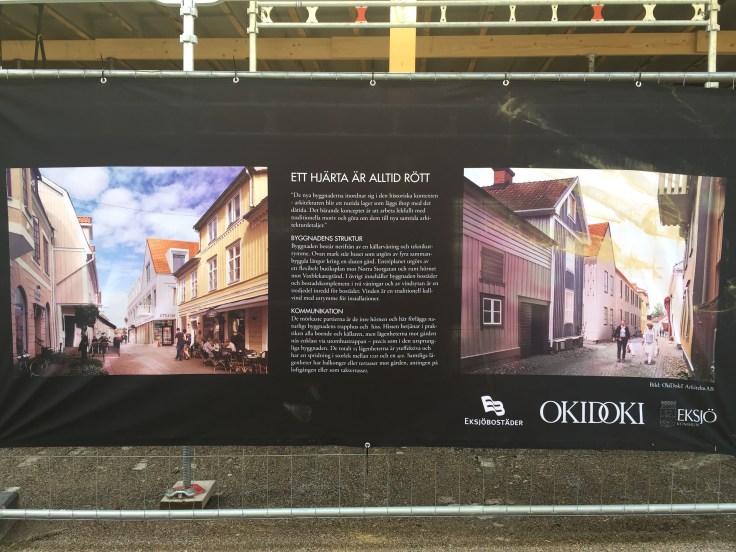
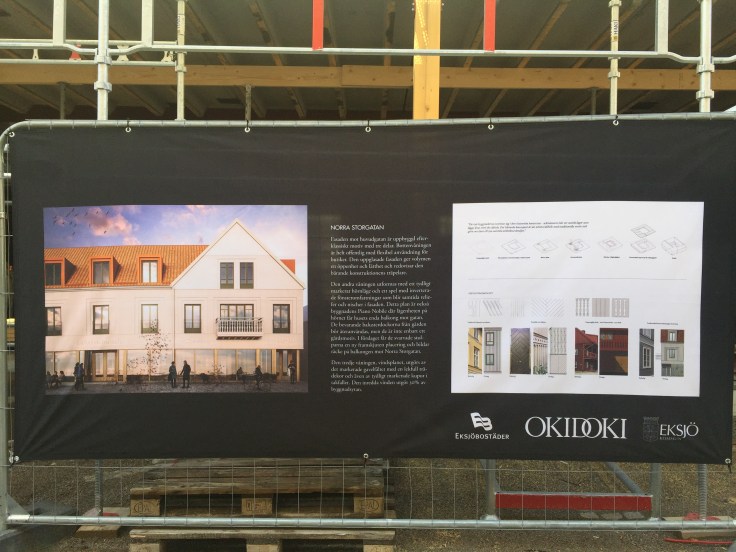
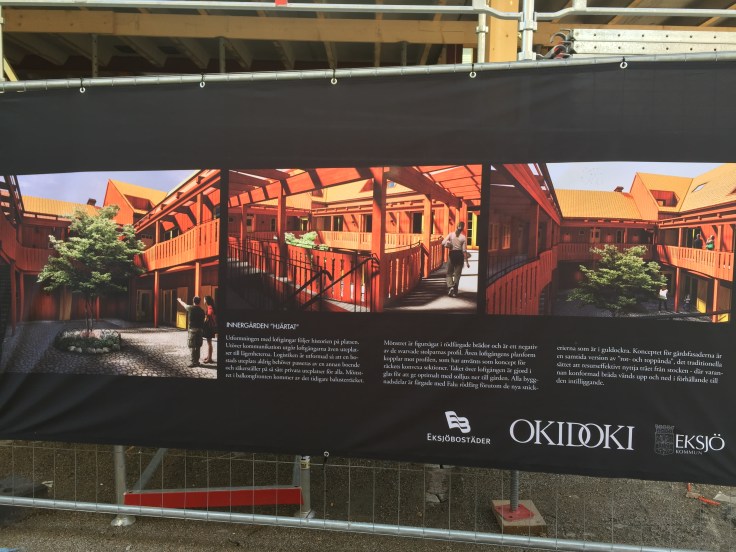
Louisa expressed that a reconstruction would typically be appropriate, but the city decided that the building would have been too difficult to replicate and show genuine age and authenticity in the new building. Thus a competition was launched for the redesign. Three entries were selected as finalists, but the winner showed several examples where they were reinterpreting the original building’s details and incorporating them into the new structure – this convinced the judges and public of its potential.
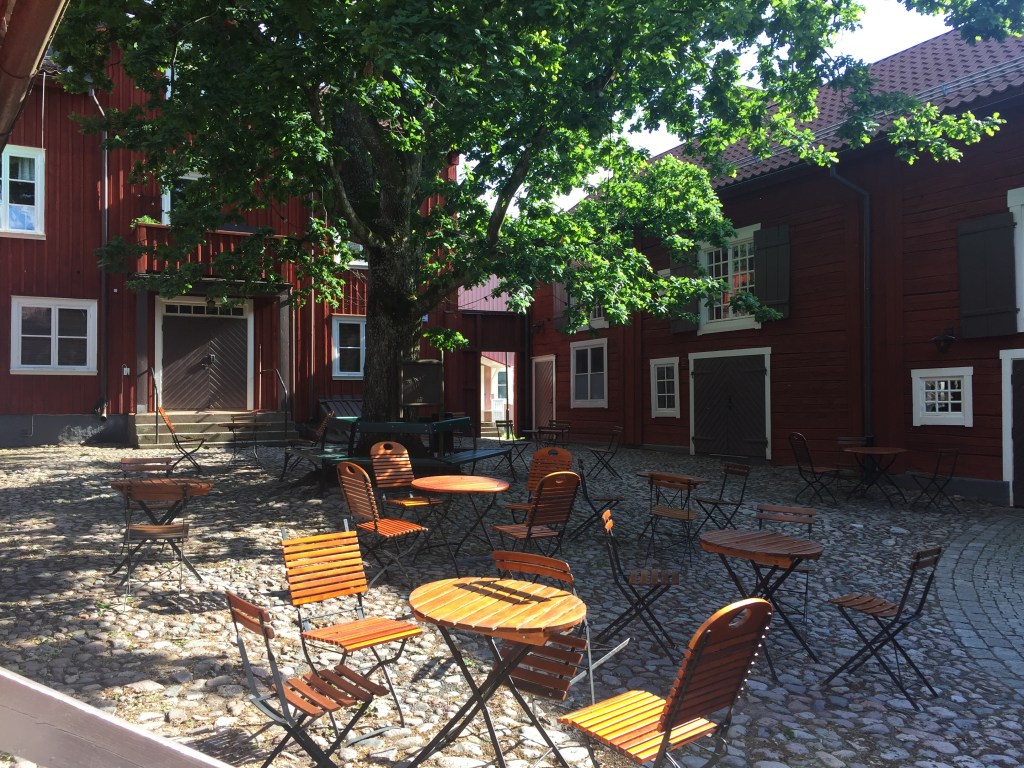
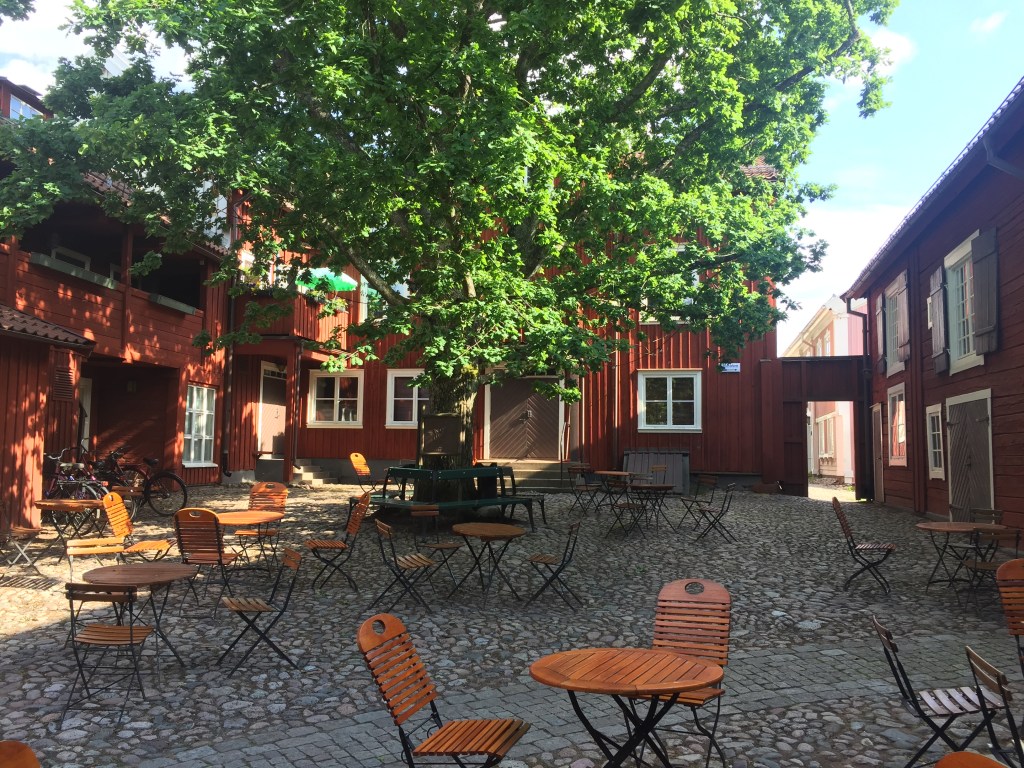
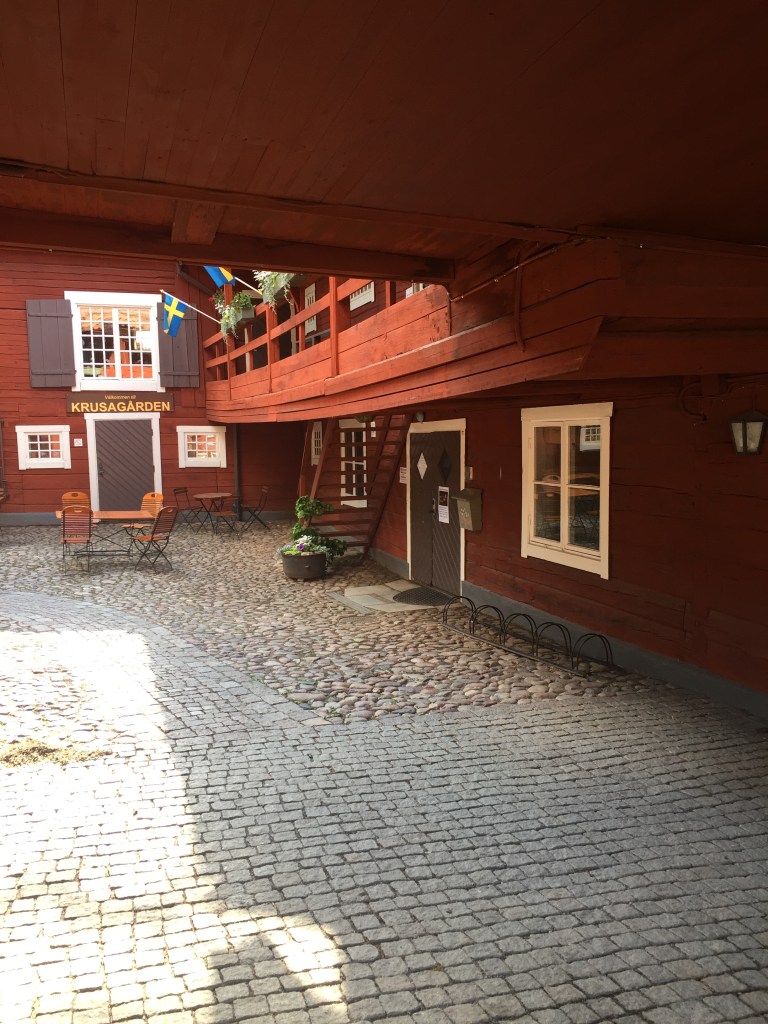
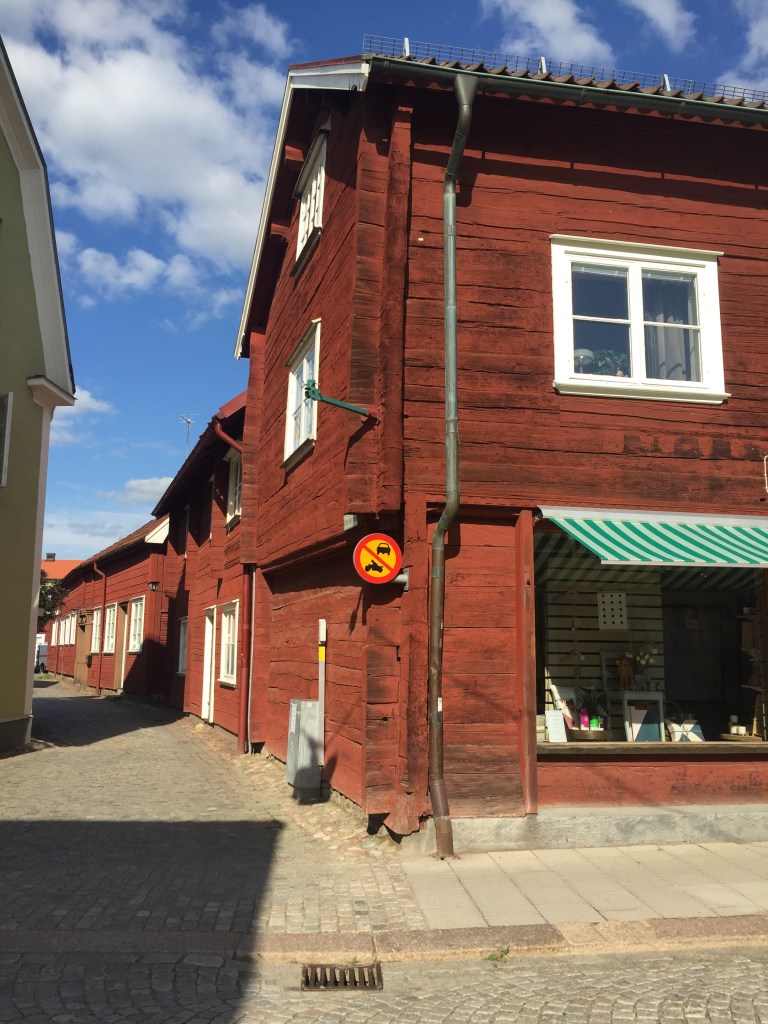
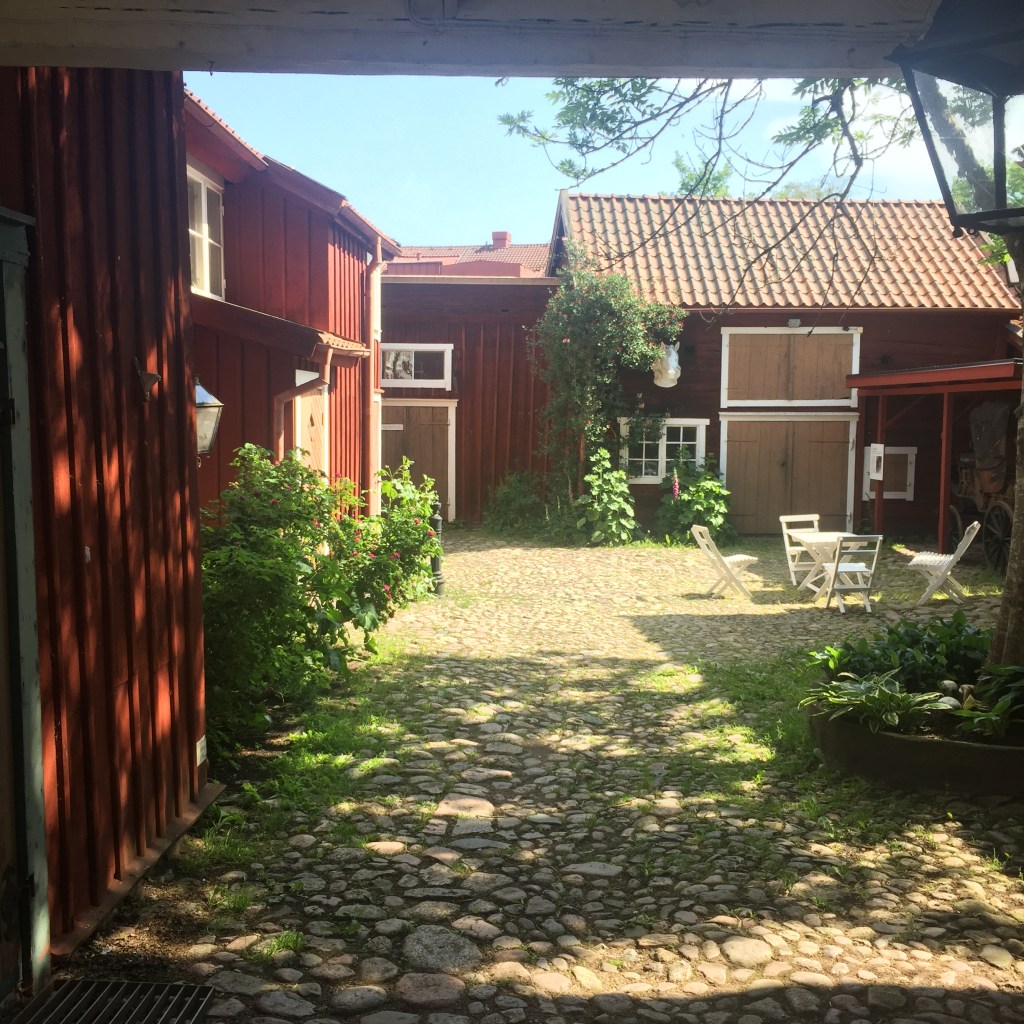
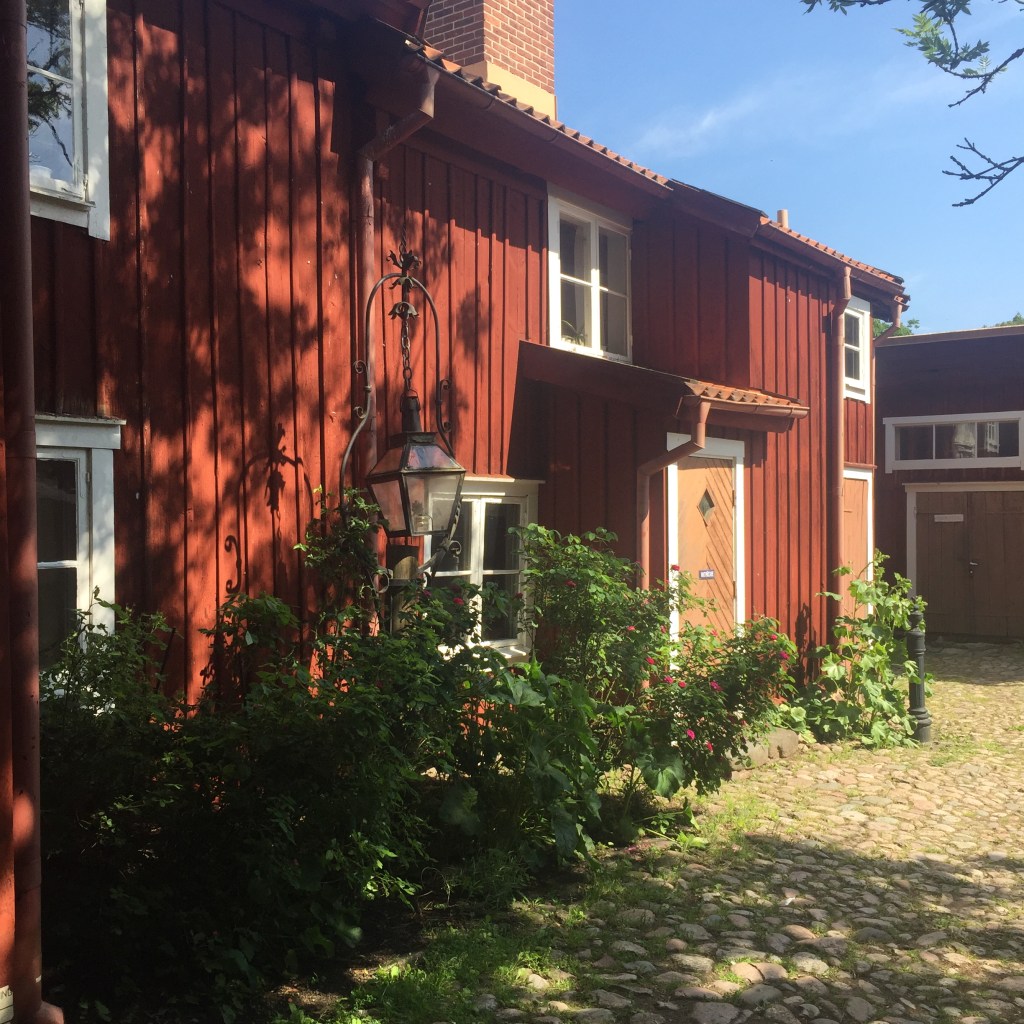
Louisa took me on a tour of the town explaining various aspects of the work she does. The town museum has a permanent exhibit and resource collection on the history of the town and its origins. We started there and then explored various courtyards that are special to the town, Aschanska Gården in particular, which has historic demonstrations and activities during the high season. As we came to the new building under construction, Lousia described a new policy for adding exterior eave sprinklers to buildings. By a stroke of luck, the only building so far to do so was the one across the alley from the building with the fire.
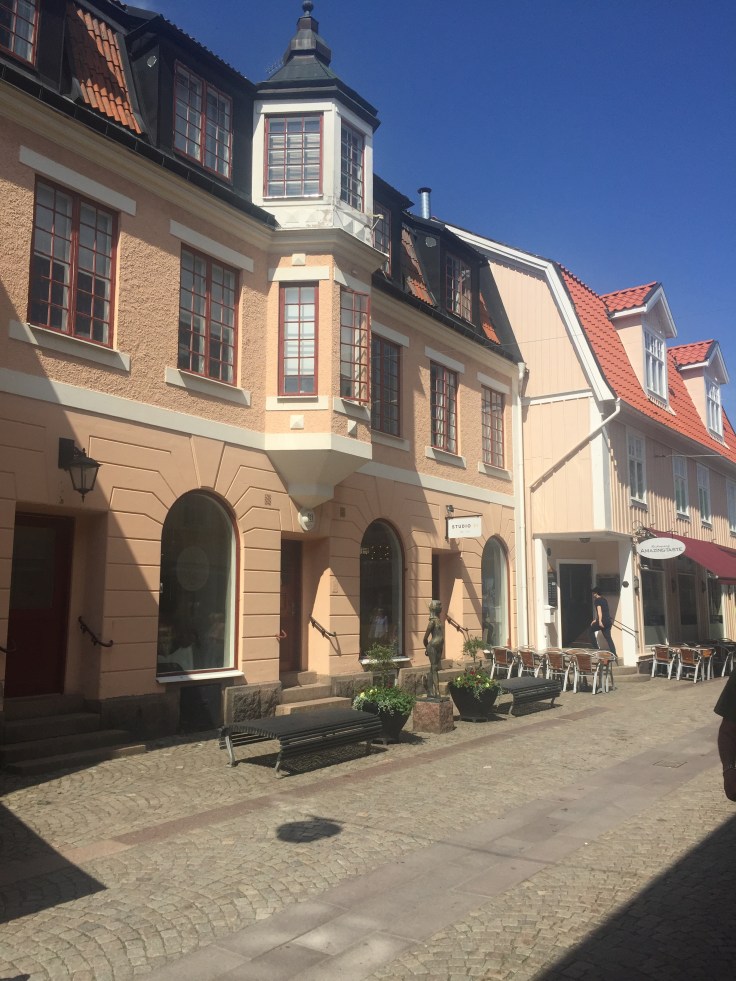
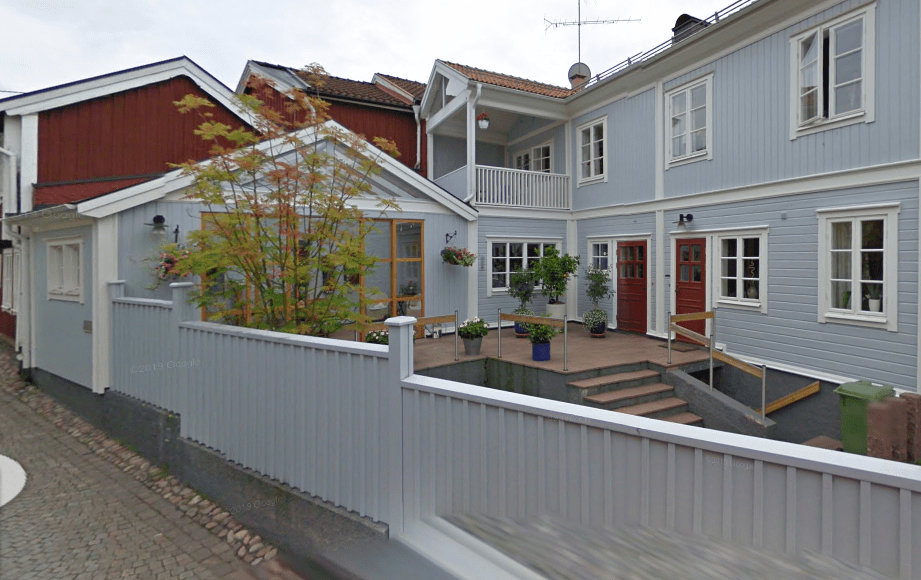
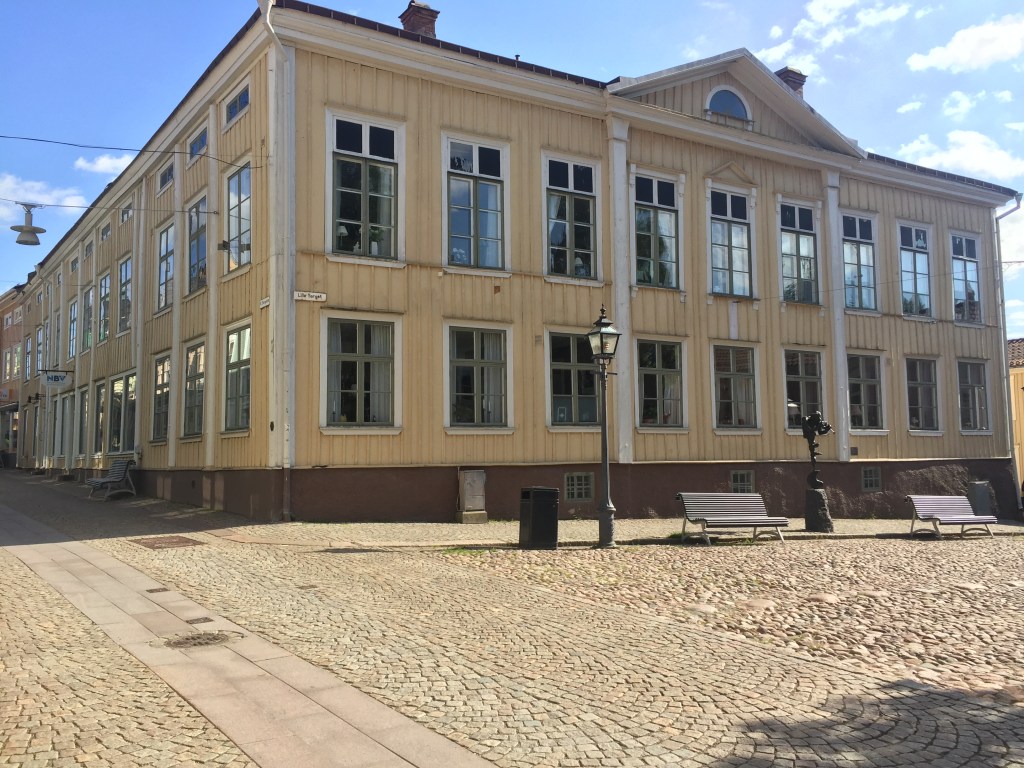
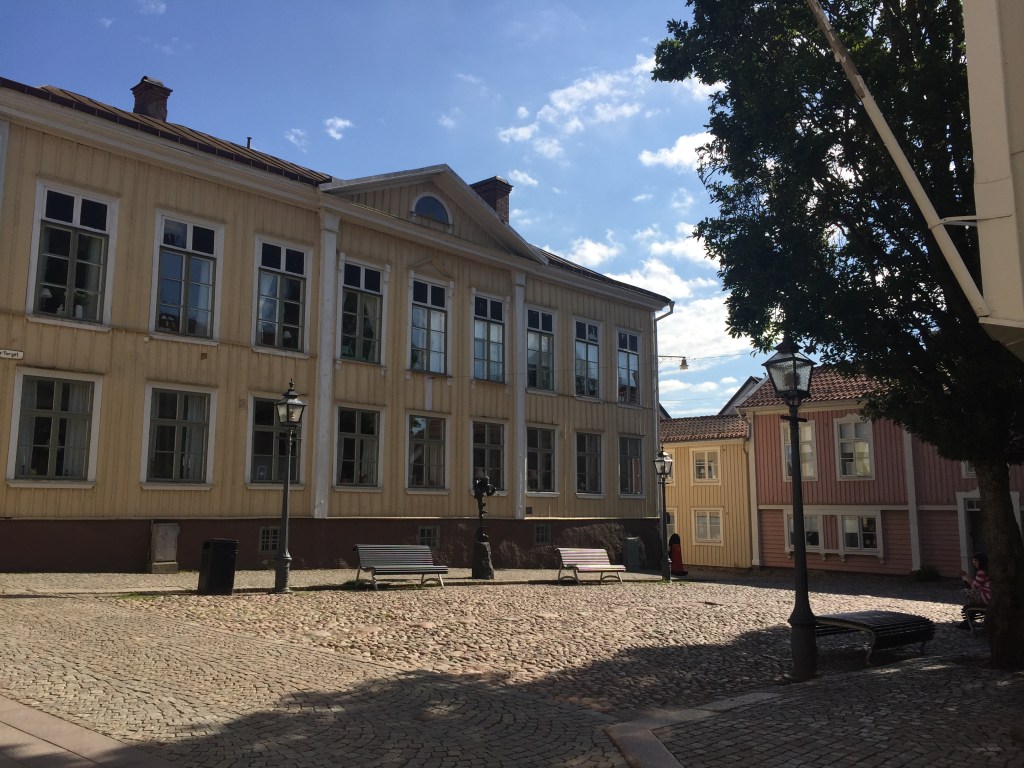
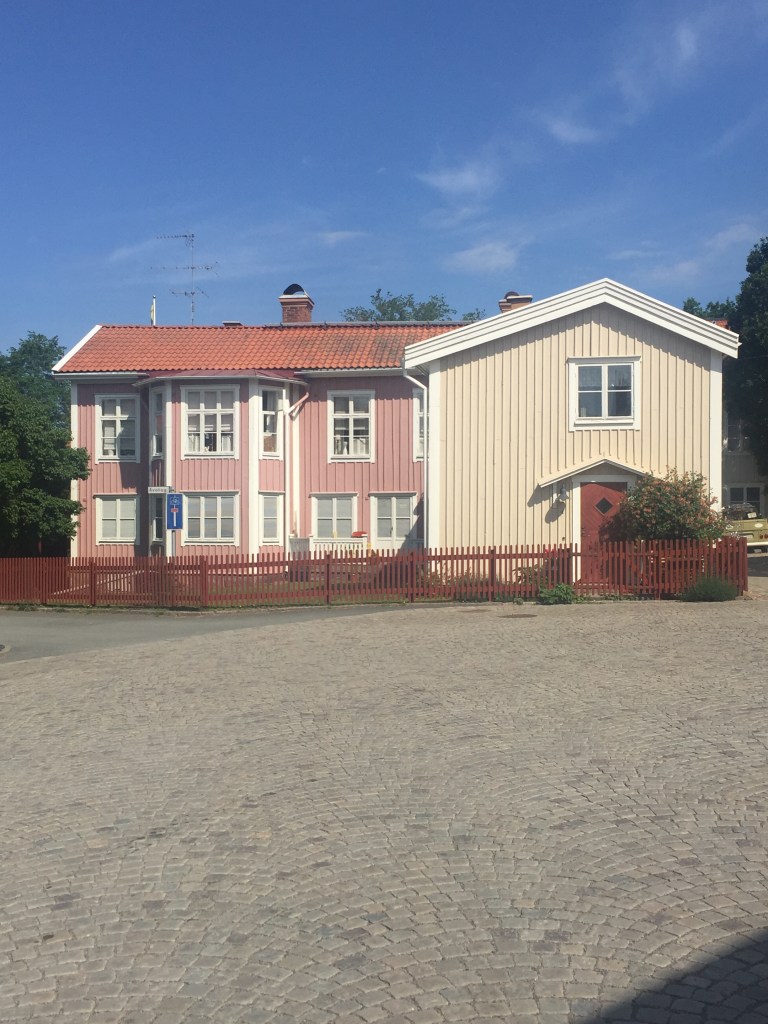
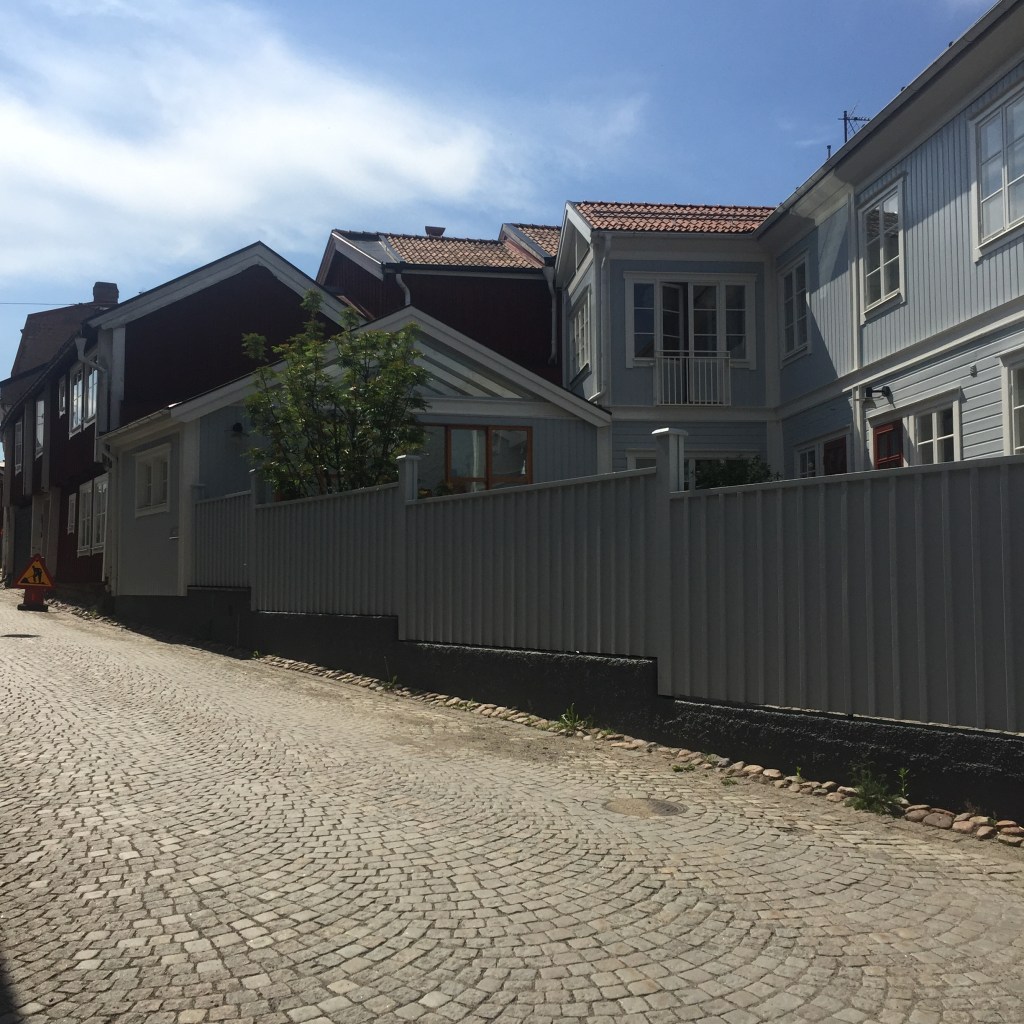
Down the street further, we cam across an extremely public corner-lot house with a questionable addition at the rear. When asked about it, Botero said begrudgingly that it was allowed by the previous city architect, and that while the owner was not opposed to upkeep on the historic house, their historic intentions are dubious at best. With such a prominent property, this highlighted an interesting pattern I was seeing in some towns where overzealous owners would upkeep historic properties per the rules and regulations, but would add or modify elements that they saw as “even better” improvements – with or without approval.
I met with the town museum curator the next day to learn more about how they engage local children and young adults as well as adults to appreciate the local history and architecture. Especially after seeing the success in Hjö, it became apparent that this was an untapped resource in many towns. Like many museums, they have school programs and Eksjö provides an educational seminar that bring all local 4th grade students to the museum for a week. The museum staff has many young adult employees and volunteers running the tours and while I was there they were training a new batch for the summer season.
In a meeting with the Jönköping lansstyrelsen cultural heritage representative Calle Sanglert on my last day, the area’s stance on preservation was described as “providing historical explanations for why we do what we do today: preservation needs to be placed in a societal context”. He continues, “What separates Eksjö from others towns is not the historical image, but the societal constructs that we know to be true.”
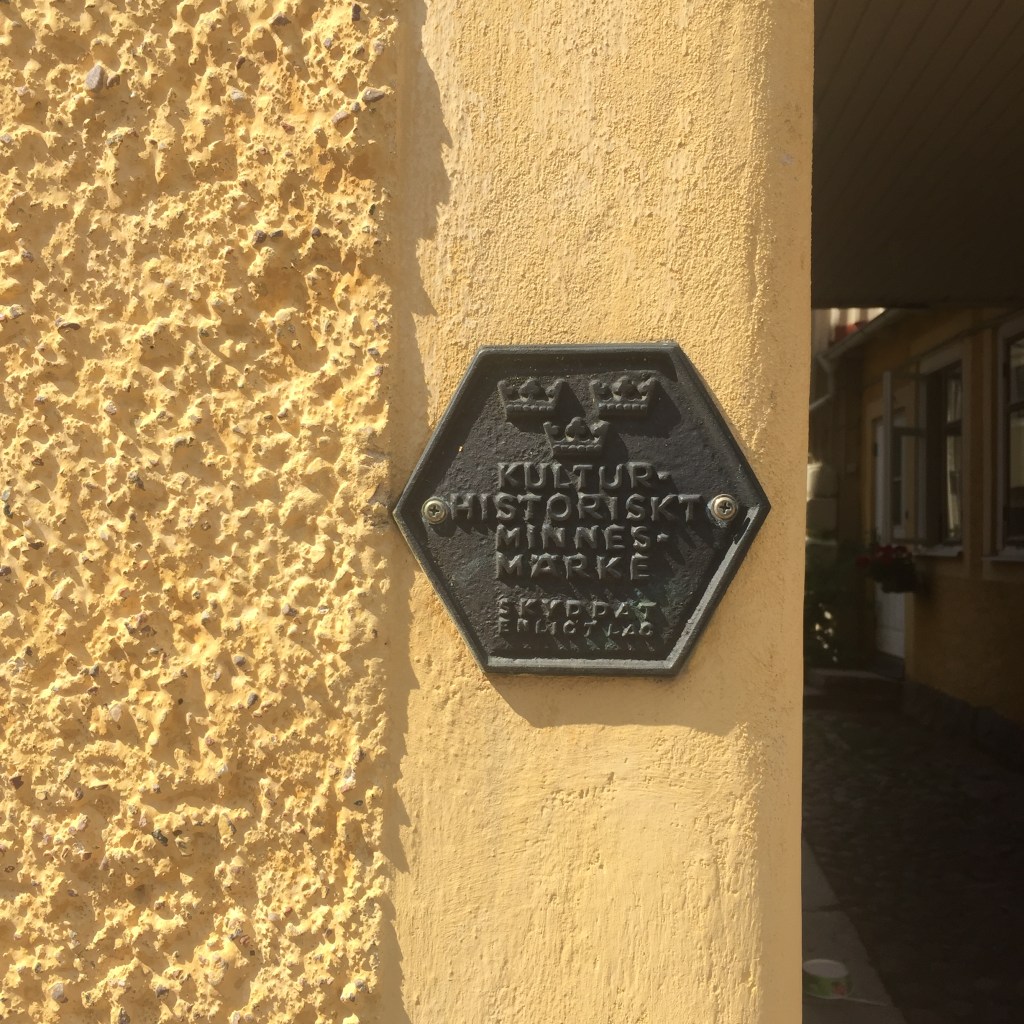
Swedish heritage conservation is based on a post modern concept in 1990s, even though architectural historic conservations occurred in the 1970s. Heritage in itself can always be connected back to societal constructs, including the feudal system changing to a social democracy.
These policies and districts were created during a different time during different ideals. The top-down approach on regulating and creating preservation areas in the late 1990s and early 2000s was in a different political context than what we have today. We referenced back to Seattle, thinking on how the broader societal and political context played out among the changes in the historic preservation field over the same time period. Calle recommended that for a full understanding of the current state or preservation, one must find a thorough understanding of what planning laws and social developments drove the decisions to happen in the first place.
Speaking with Louisa, she stated that tourism drives a lot of funding for the town. Even though politicians don’t want to upset private owners by placing restrictions on new development, they also do not want to upset the cohesion of the town for the sake of their main source of funding – tourism. While there are quite a few areas in town that are under strict protection, Louisa says that much of the town is actually in the middle category, which does not mean you cannot change the appearance, but you cannot change it so far as to erase its historical value.
Take aways from Eksjö are fairly positive. The town seems to have found a happy medium between tourism and permanent residents, as well as regulation and funding. It is clear that their current status, however, is the result of a significant amount of hard work over the past several decades.
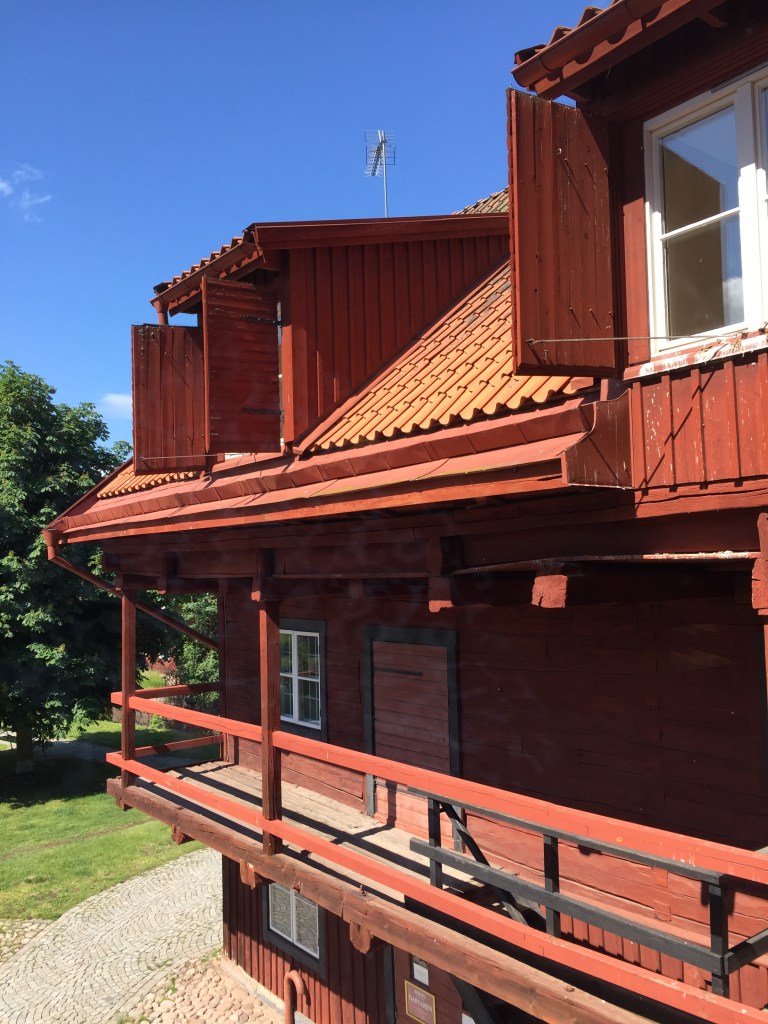
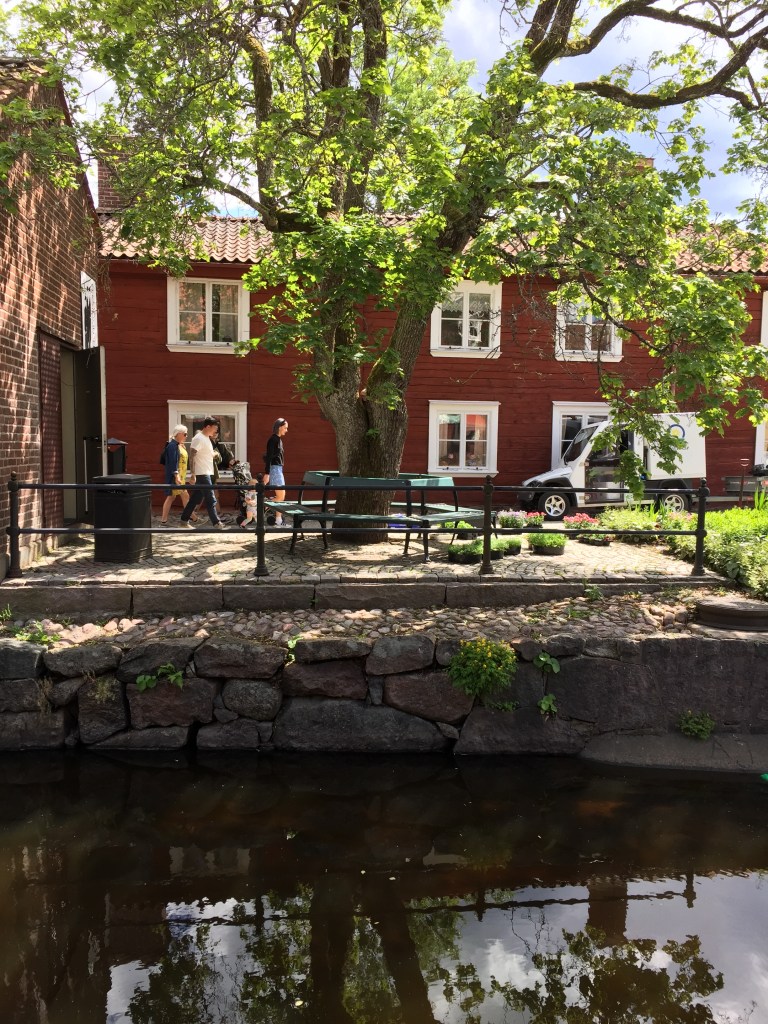
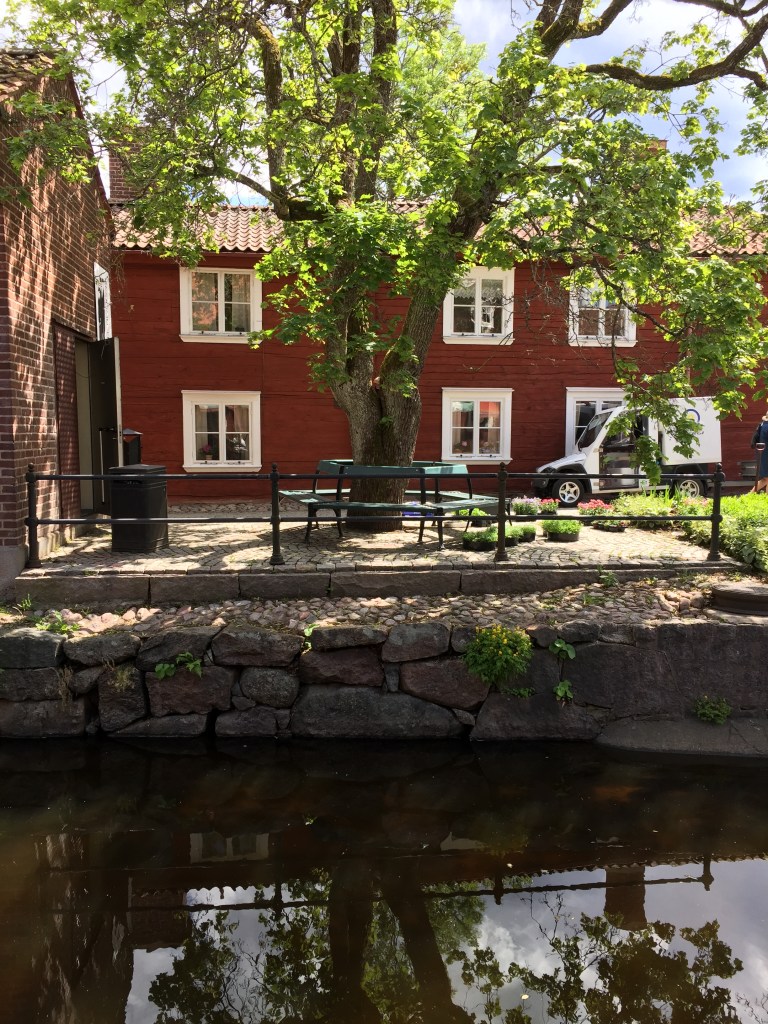
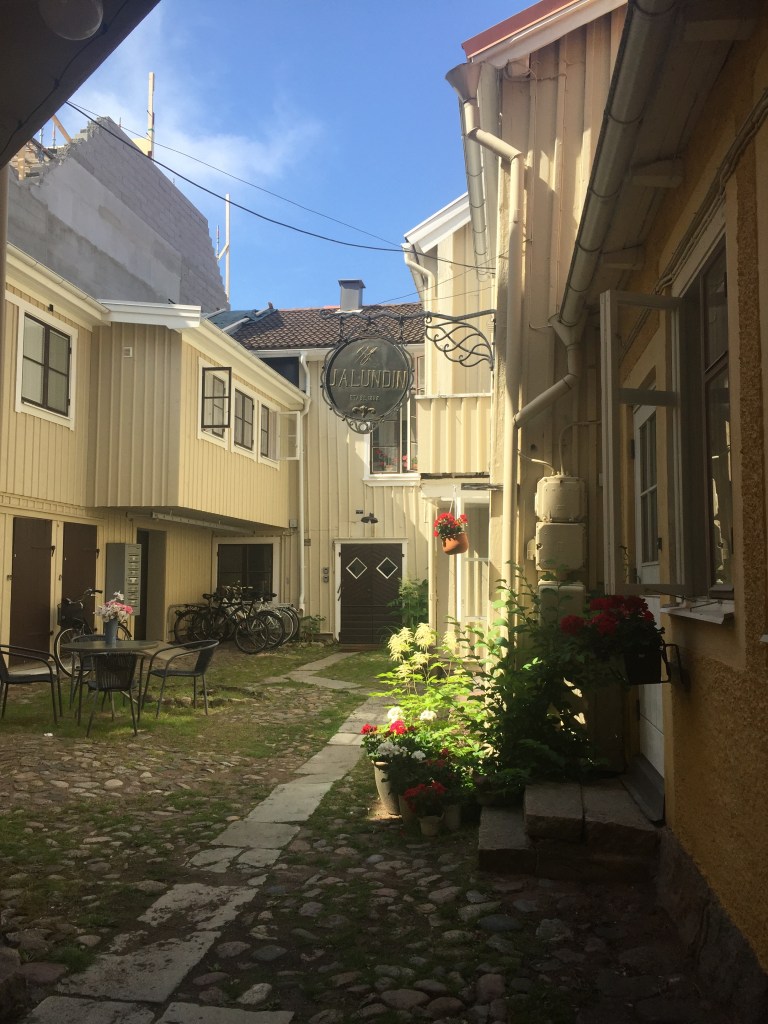

New sprinkler system installed shortly before the fire 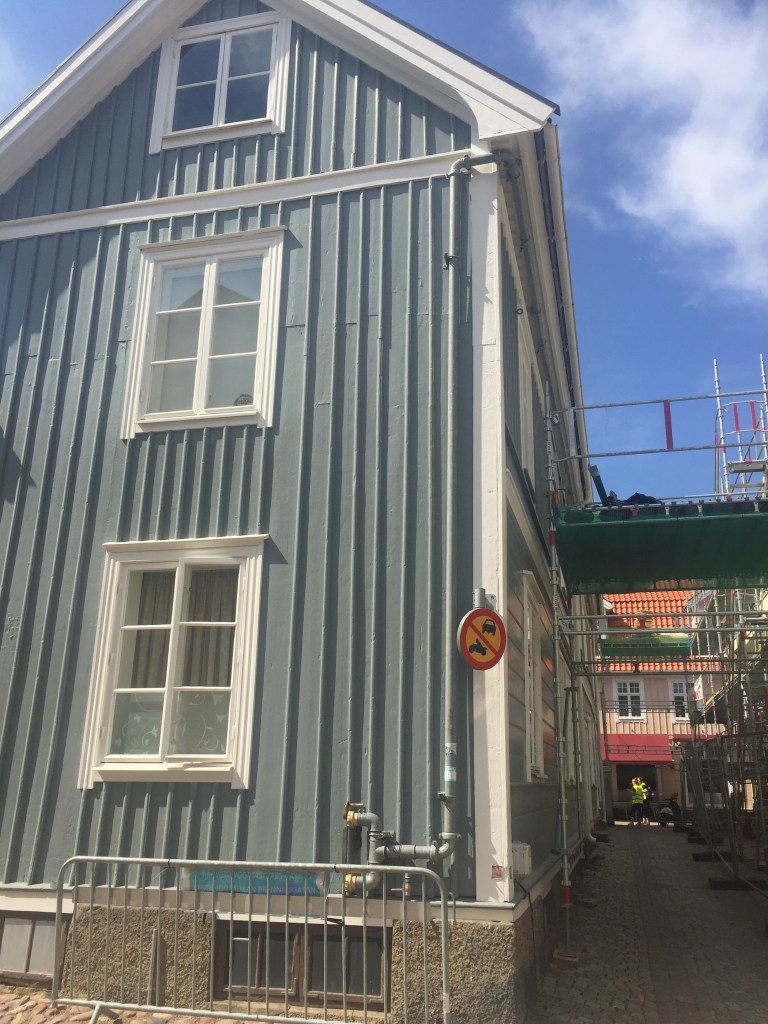
New sprinkler system installed shortly before the fire 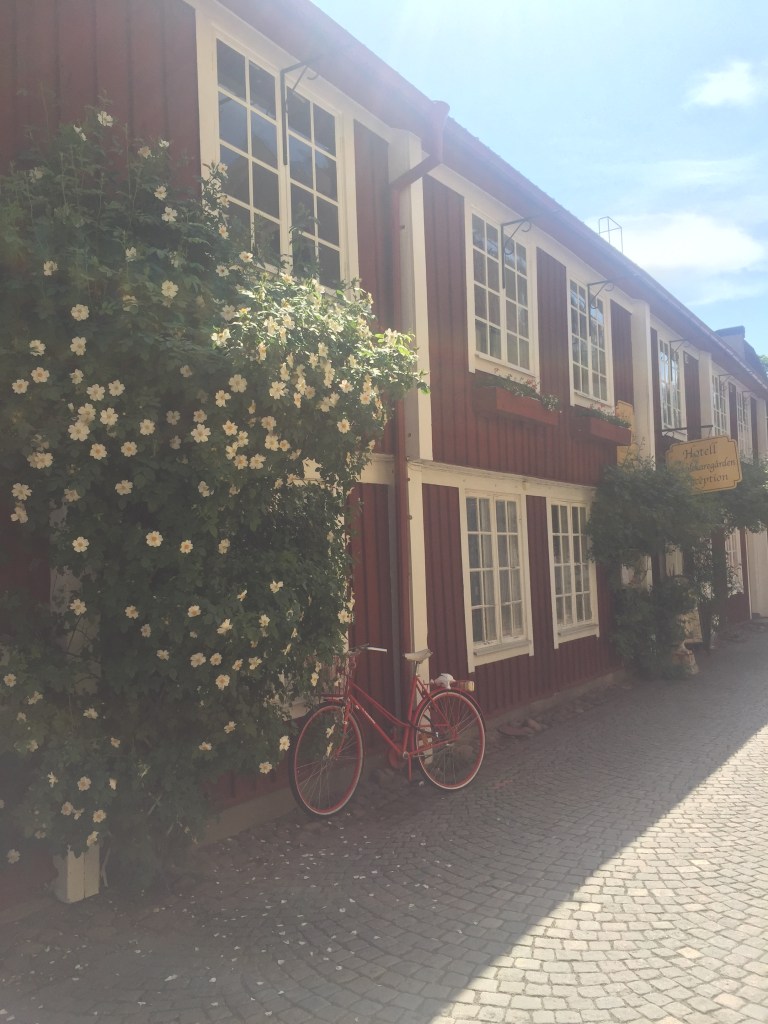
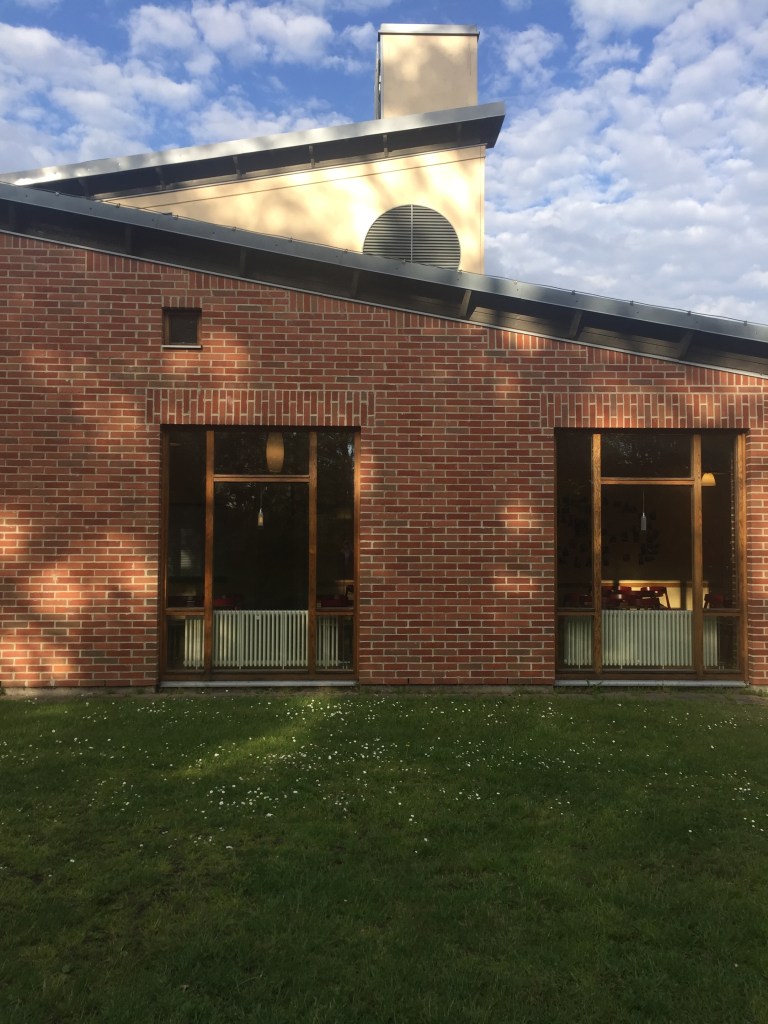
Newer building set back from the street, attempting to introduce a new style 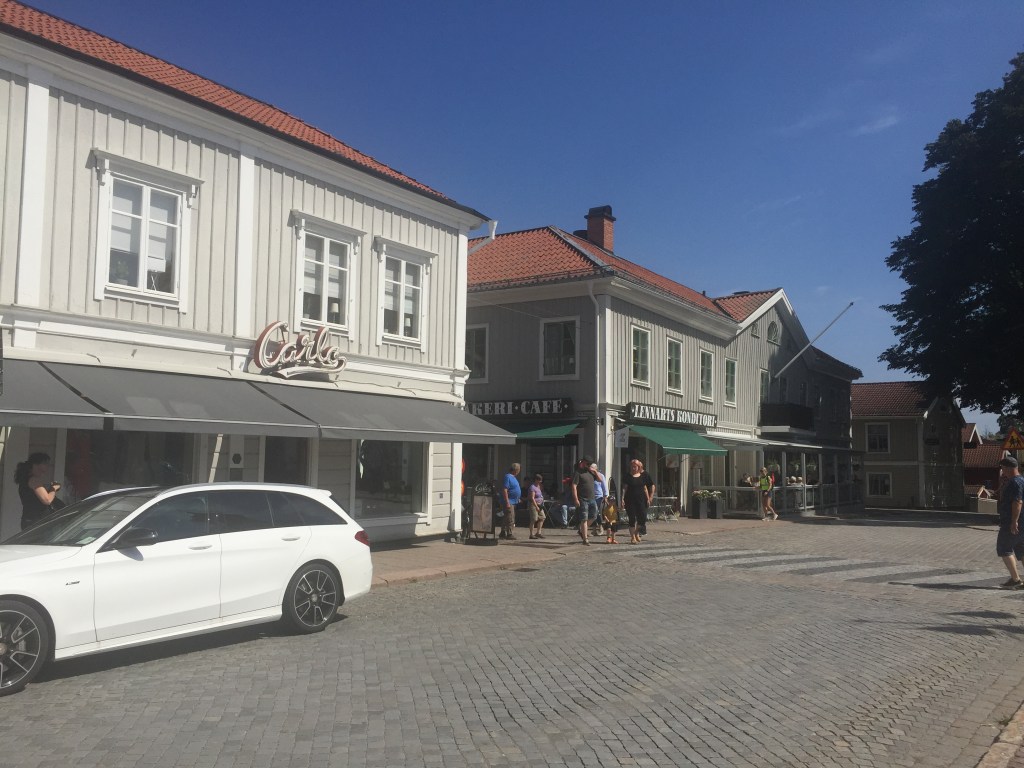
 Nordic Vernacular Preservation: A Travel Blog
Leave a comment