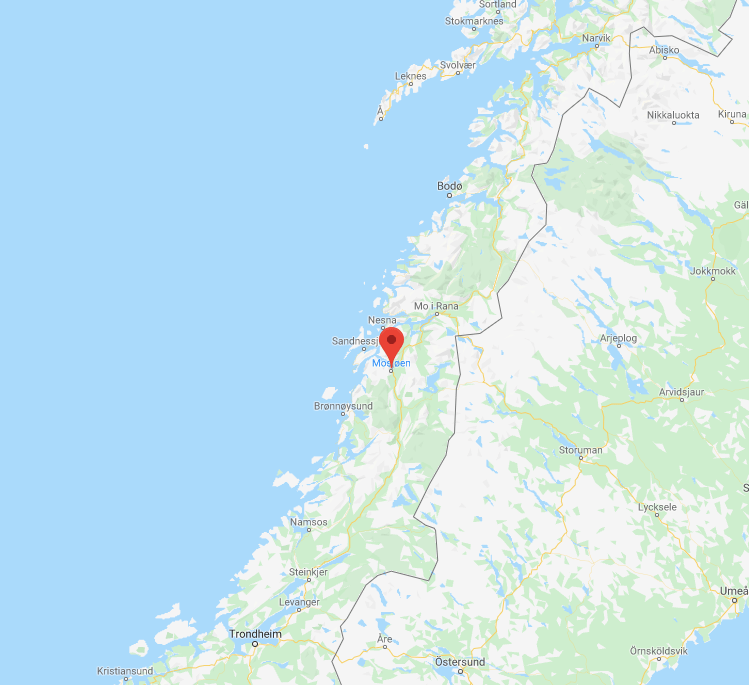
Mosjøen:
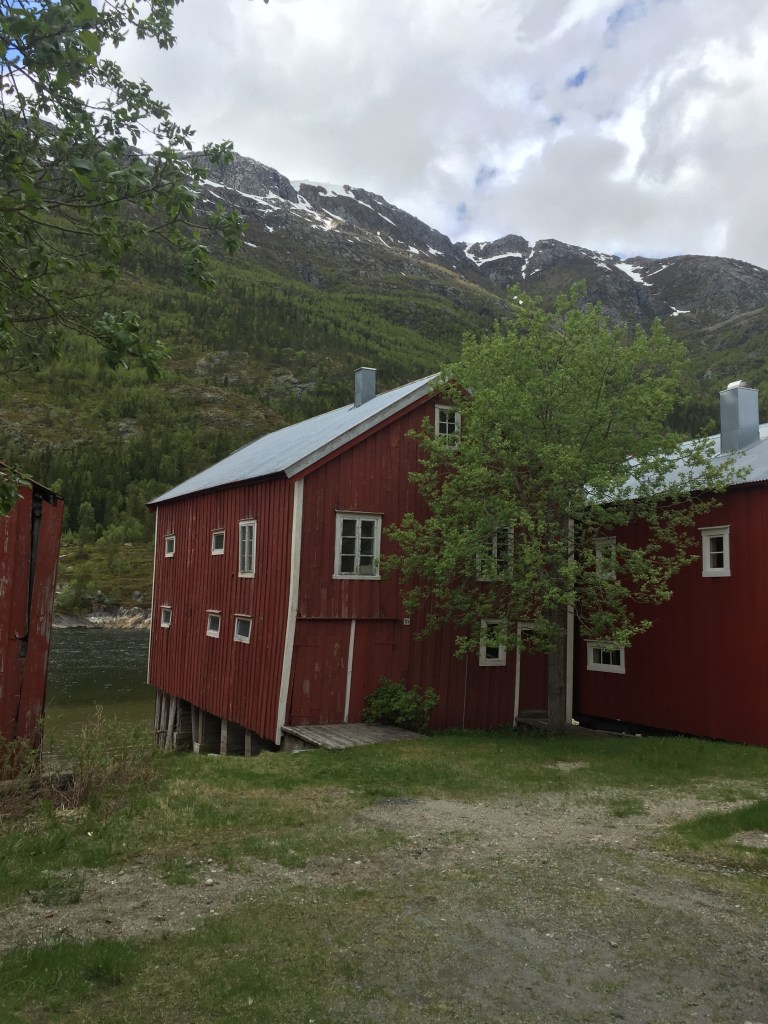
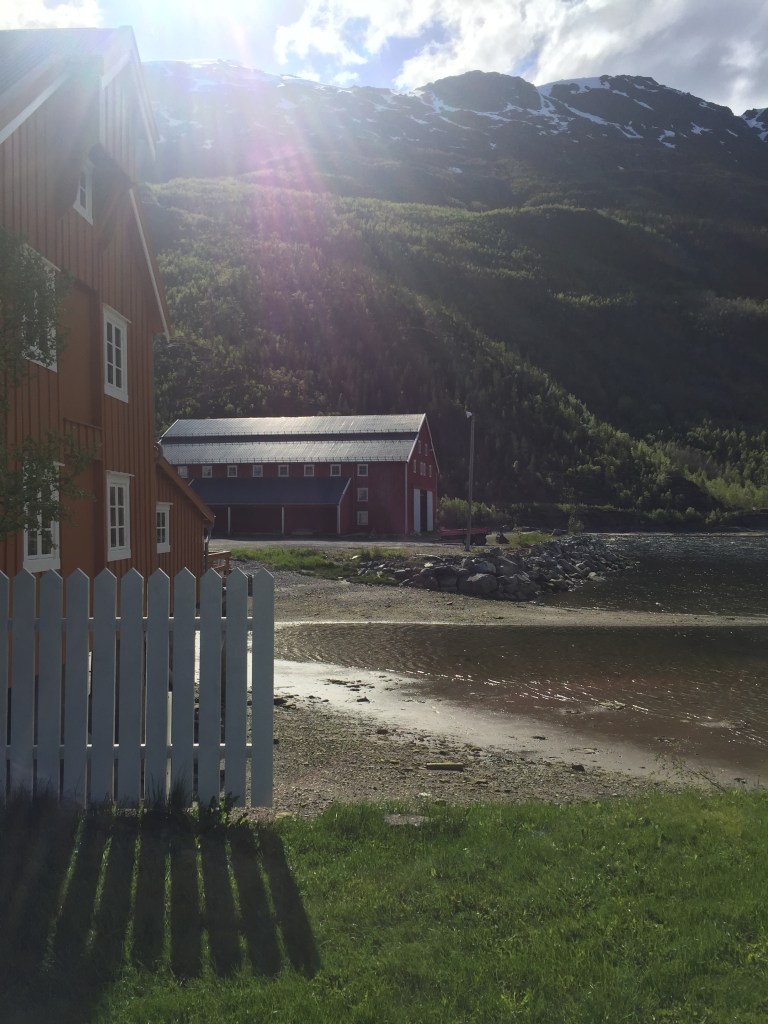
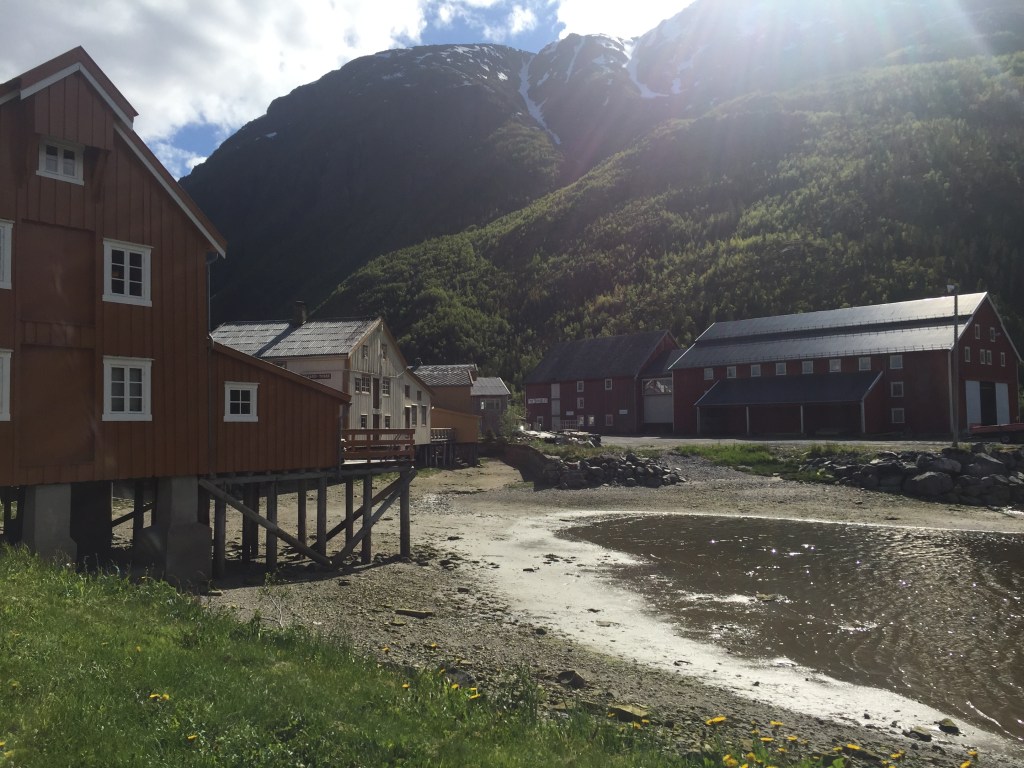
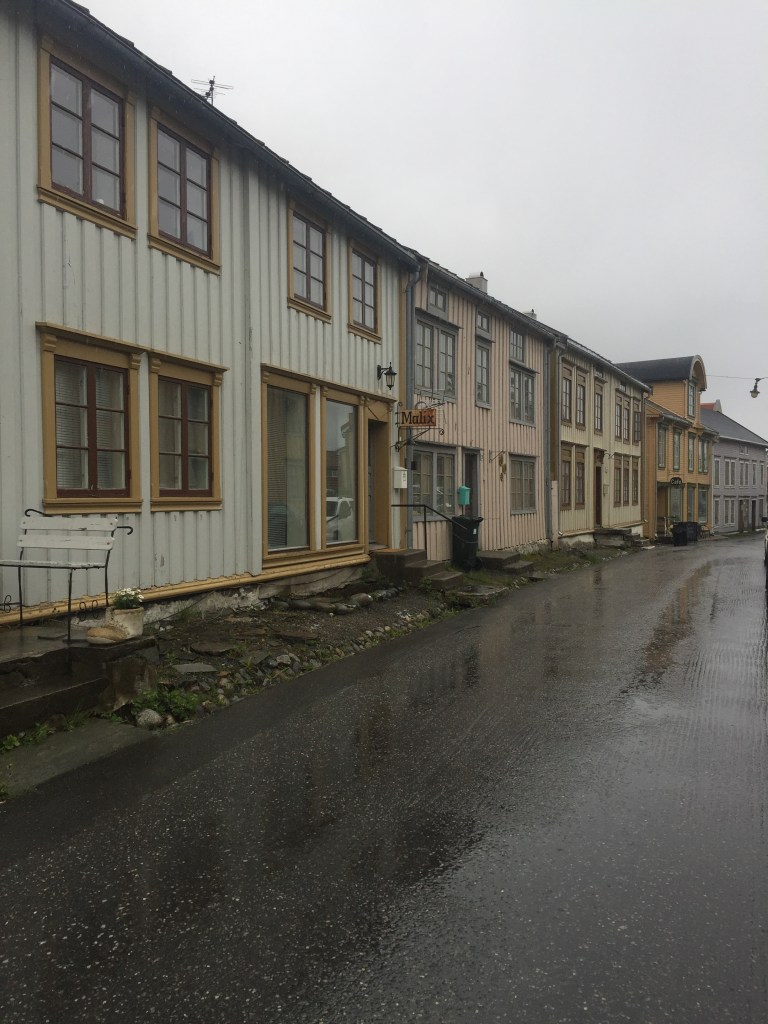
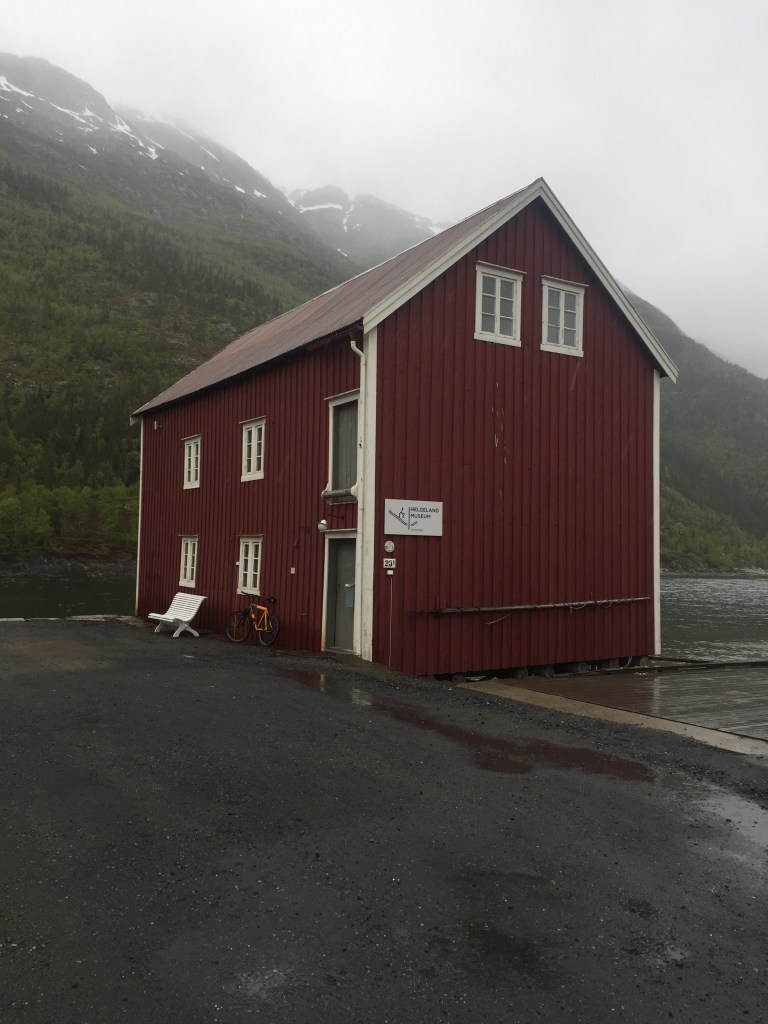
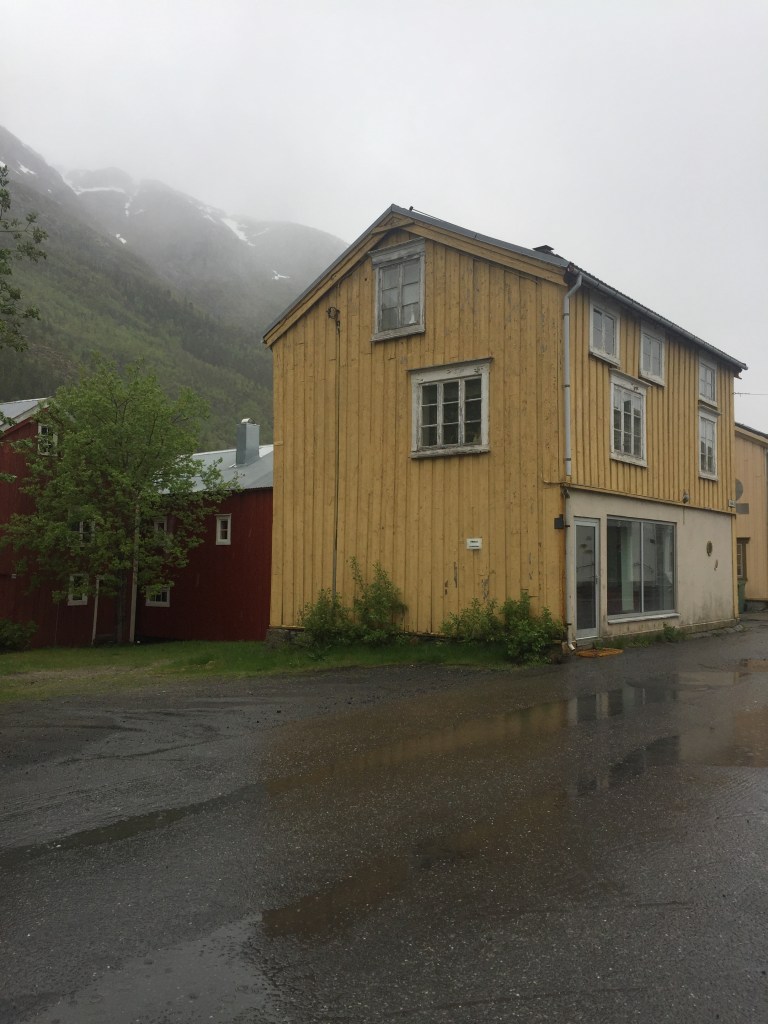
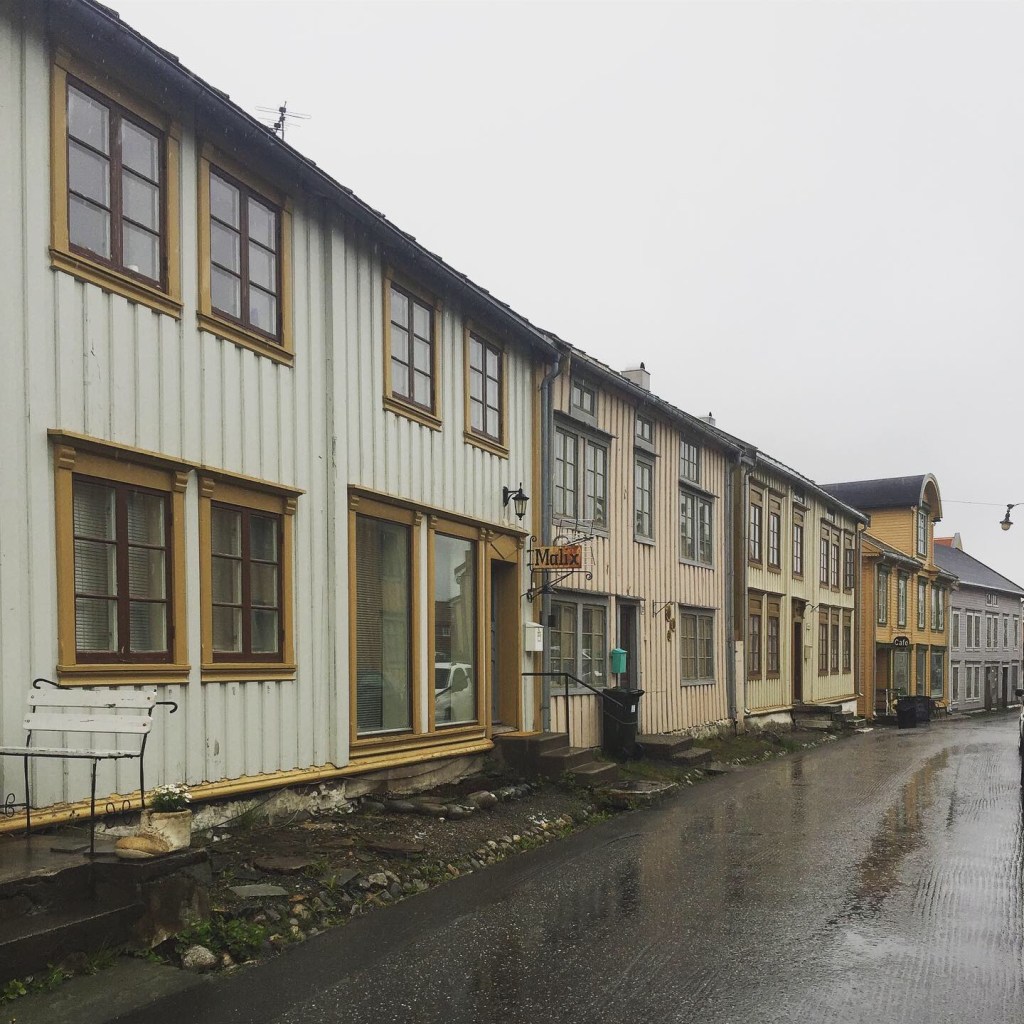
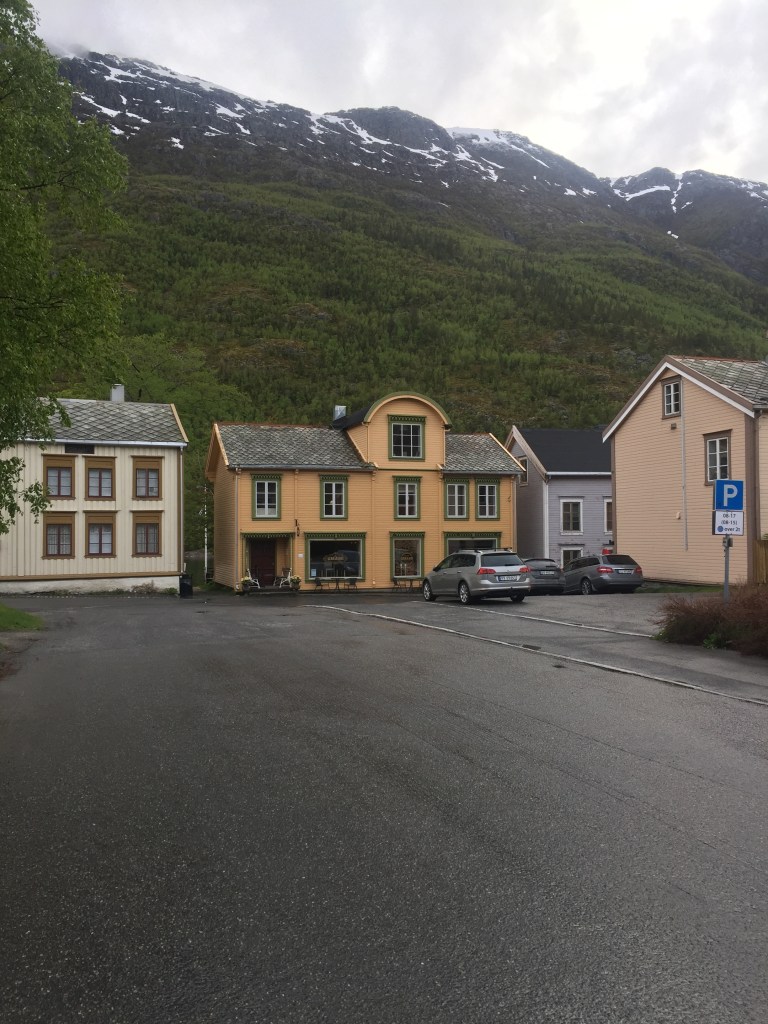
As we walked along the famous Sjøgata street, Hans Pedersen the town historian pointed out several buildings with stories to be told. A large trading house in the center or town that his grandfather built before falling into financial ruin had large display windows that were representative of the invention of large format glass, a cellar where spirits were stored for a prohibition-era speakeasy (Norwegian prohibition lasted from 1919-1926), and the organization of boat house, storage house, and living house that evolved the town. Walking through town with these stories let history unfold in front us us like a pop-up book. Boathouses were built first, 15 meters from the shore so that rising flood waters wouldn’t take the boats, then, if finances were good, farmers would build a store house in front of the the boathouse to store stockfish and goods and house workers in the loft above. The first building would align to the street, and the second aligning to the river’s edge, commonly resulting in the buildings being acutely angled to each other. In many other towns, the wharf buildings were the first to be built, right on the water’s edge. By reading the architecture here though, one can begin to understand that the boat house was further back, by the shape, styling, and age of the building, and the storage room was not large enough for the boat, but had ample quarters for living and working. Further along the walk, I pointed out one building in particular as falling apart with a collection of rusting building materials in the yard. Hans commented that the owner has several such buildings and fixes them in his spare time. Though the town objects to the state of the property, the building is actually in quite fine condition, the interior has remained untouched since its original construction, and the siding can be restored.
Perhaps most interestingly, Hans, retired museum-director and preservationist, said he is just fine with the state of the property. A town needs grit to appear lived in, to avoid the dollhouse picture-perfect town. This means that those who may “tarnish” the town aesthetics are part of the town identity and vivaciousness. Organized groups with the best of intentions may try to contain such displays to preserve their own aesthetic, but that only points further to the fact that active life in preservation is a continuous, ever-shifting stream. Once it has become “perfect”, such as in the case of Gamle Stavanger, the line stops and life can become stagnant. Balance was a word commonly used by Hans Pedersen, and it has become more and more clear, at least in this small town scale, the necessity of positives and negatives that weigh the scales of life in motion in a preserved town. Balance is now and possibly should always be the goal, and however daunting it may seem, there is not an endpoint to preservation – the work will never be done, lest it becomes a fixed-in-space-time museum and the life has all but left the town. Though it is impossible to distill the life of a town to such a statement and other factors are inevitably involved, Sjøgata is nevertheless in a state of balance at the moment, continuously flowing and continuing its history.

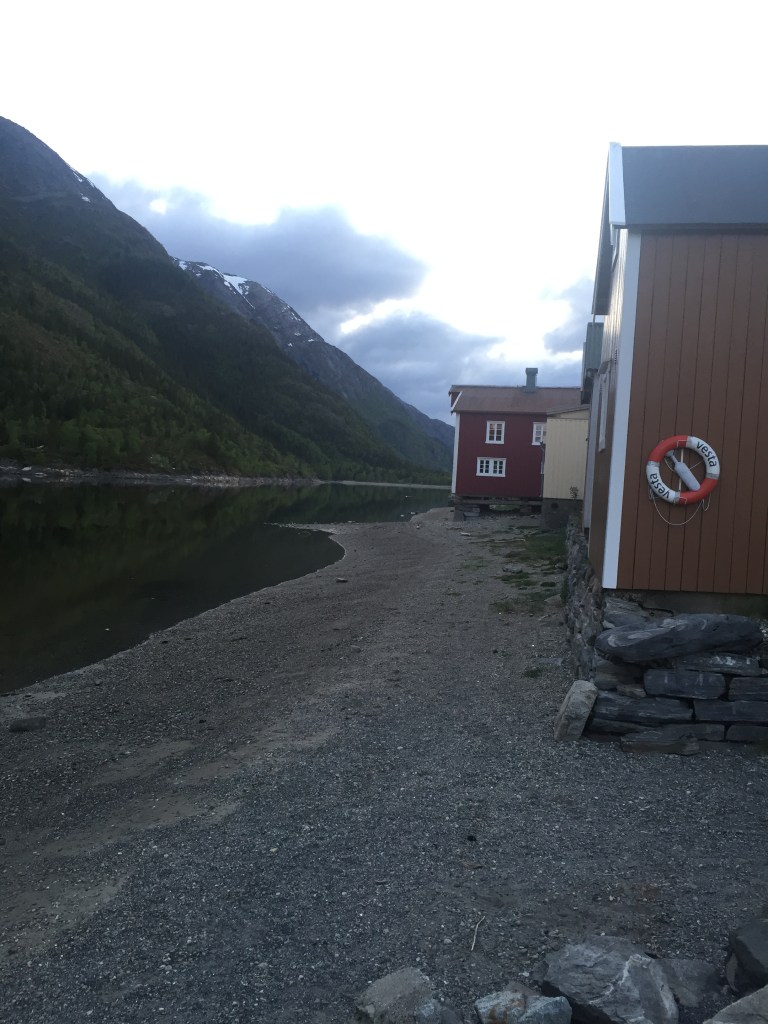
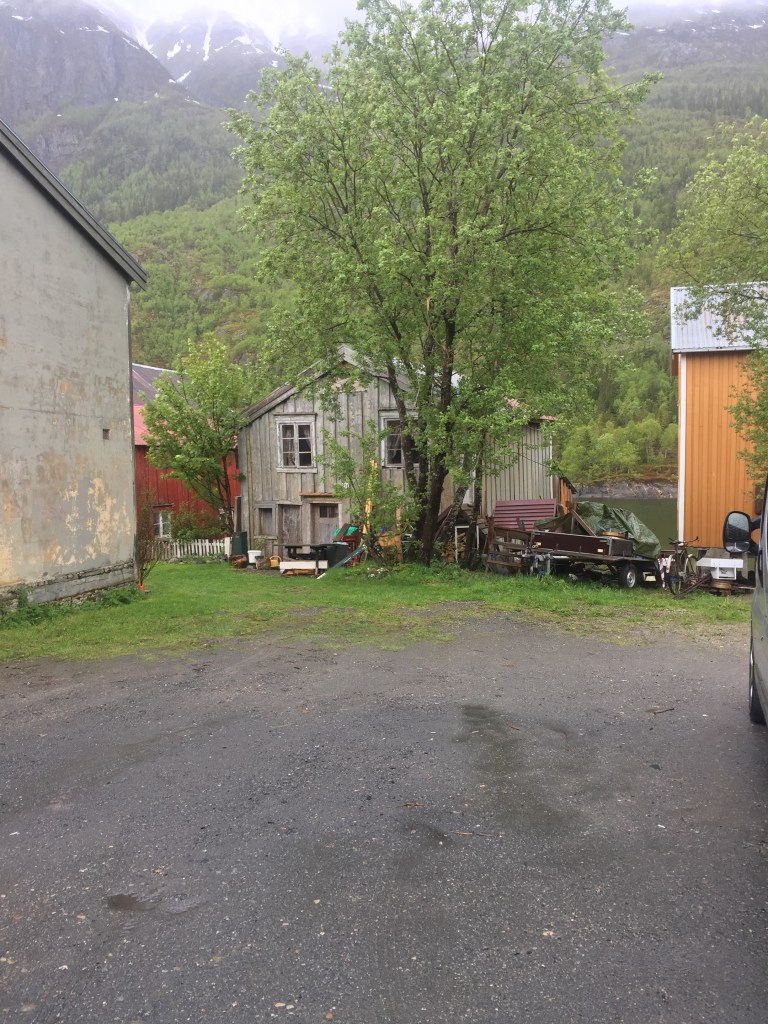
House with “grit” 
 Nordic Vernacular Preservation: A Travel Blog
You must be logged in to post a comment.