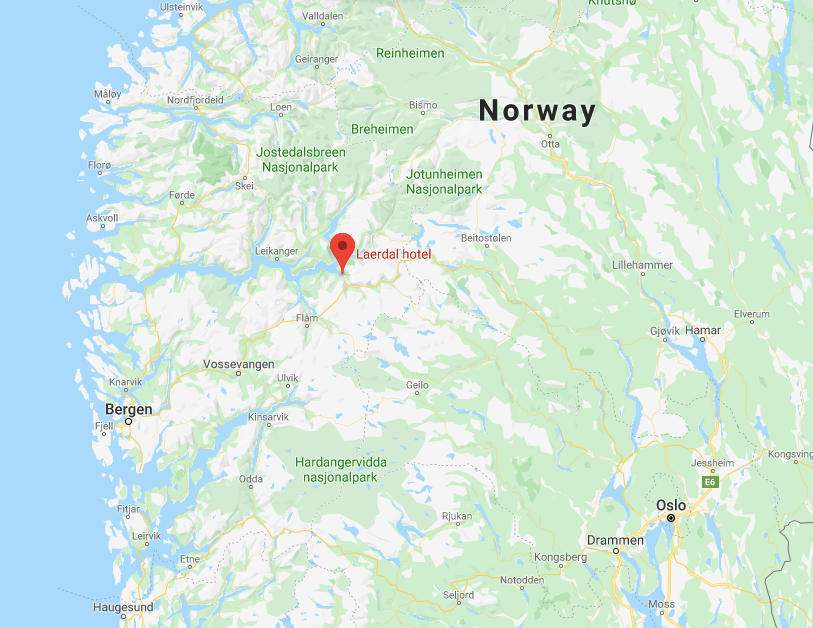
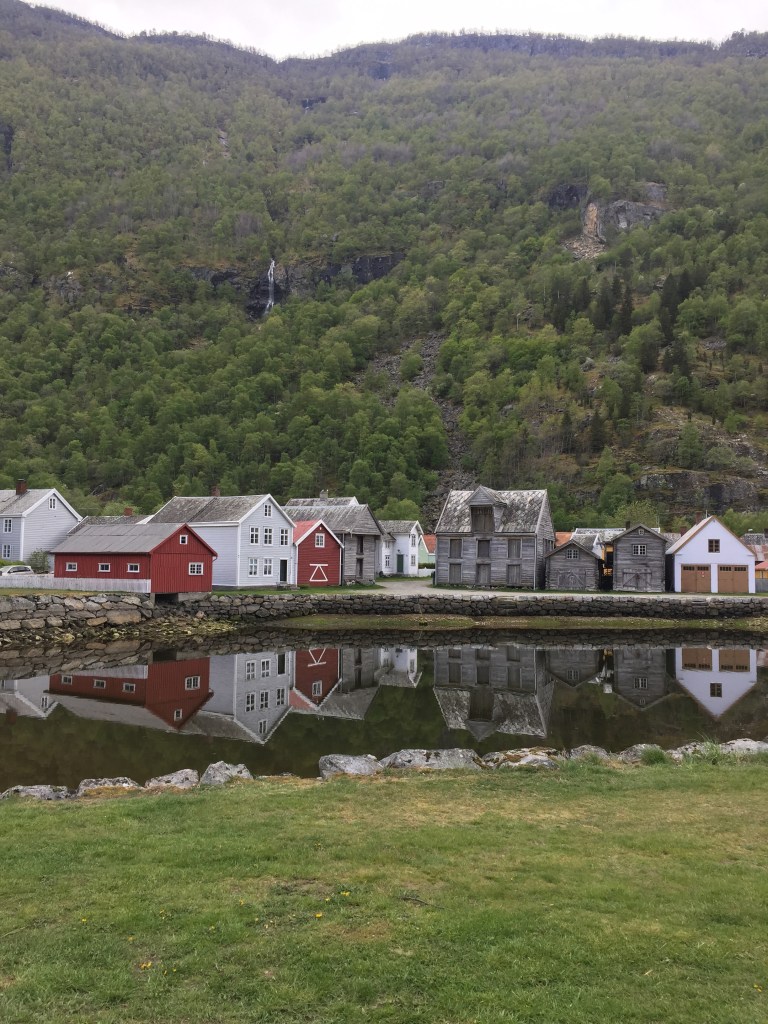
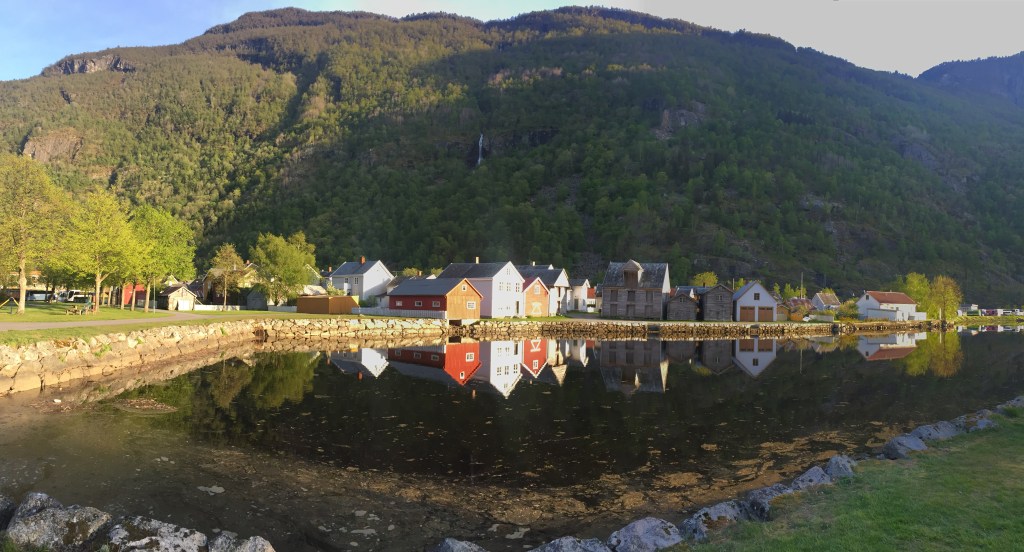
Lærdalsøri is listed as a heritage village, with 163 historic houses dating as early as the 1700s. It has been protected since the 1970s but it was also was one of three areas that the Norwegian government initiated a pilot program in for national-level town conservation, others being Gamle Stavanger and Kragerø. In all three, a town byantikvar was given two years of funding to see if the position would be helpful for the areas. Those I have spoken with say “yes” in all three, however the right-wing governments have not continued to fund the positions and only Gamle Stavanger is still going strong.
The town is at one of the deep fjord branches of the Songefjord, the longest fjord in the country. Horizontally oriented, it receives much less snow and rain than nearby towns. Being so far in also allowed farmers and traders from inland to have access to water transportation much more easily. The town is located at the western end of the old King’s road that travels across eastern and western Norway. The road itself is incredibly significant from its construction techniques to its history dating back to the middle ages.
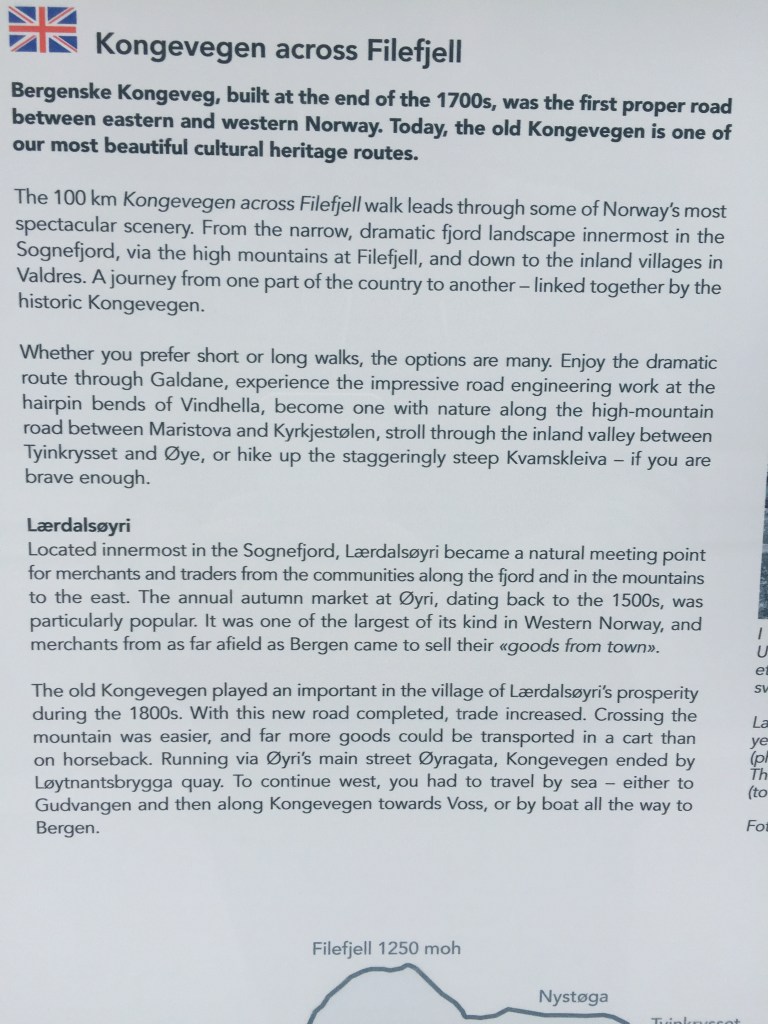
For Lærdalsøyri, it meant business – literally. Traders, merchants, and travelers would need to stop in town on their way to Bergen, usually for at least a night in order to arrange for their boat transportation or to rest and take care of their horses. Business boomed until the mid 20th century when the Kongsvegen was reconstructed as the E16 highway and instead of going straight through town following the original Kongsvegen, it wound around the foot of the mountain and bypassed the town by a couple hundred meters.
Elsewhere in the town, the 1960s tunneling and power plant left a lot of fill, so they filled in the river delta along the northern edge of town which suddenly allowed for a lot more housing. This area is still being built up, every other lot appears to be vacant or a new, contemporary house.
I had one contact in town, Jon Tamnes, who was the head of the area’s Foretidsminneforeningen organization and it turned out he owned the bed and breakfast I was staying in. Jon gave me a tour of the town and we talked about its history, current preservation projects, and the great fire that swept the town in 2014.
The fire occurred during the middle of the night in January of 2014 and took out as many as 30 houses and buildings along the southwestern edge of town, furthered by strong winter winds. It has been claimed as the second worst fire in Norway’s modern history. Jon described the rebuild process, the subsidies, and a unique process for the historic houses. The town acknowledged that rebuilding allows for many modern conveniences and the potential for extra room, so they allowed a certain percentage of growth or the additions of garages in the historic house reconstructions. It wasn’t clear if a reconstruction was required by law, but based on the heritage status, I am thinking that it was. Most houses had been rebuilt by the time I had toured the city, however some lots remained vacant. It was noticeable which houses took advantage of the growth, as some looked as if the entire building was stretched and the proportions became slightly off. Other buildings which had a preservation status of their own, in addition to the heritage area, were strict reconstructions. One such case: the roof of an old bakery (which is now a duplex) even had slate tiles cut in the unwieldy and haphazard shapes that the original building had, as opposed to pre-manufactured thinner slate. Here I learned about different qualities of slate – thicker slate was more expensive, but also wouldn’t crack under hail or pressure. Thinner slate was used by those with less means or looking for an economical approach. The bakery building’s slate must have been nearly an inch in thickness.
The next day I went to the town hall to see what kind of information they had on the town’s preservation and the receptionist decided to set me up with a meeting with the town planner. She was kind enough to send me home with a pack of reading materials and a map that shows the areas zoning. It helped to see the new versus old areas delineated on the map, and the hotel became a bit of a question.
The town’s historic hotel had been owned by the Lindstrøm family since 1845 and they built several additions. It was actually quite interesting to see how their attitudes towards preservation changed over time through the additions they built. Two clearly mid-century concrete buildings were built directly across from the historic Sveitserstil hotel, then came a more modest approach in wood, and finally they expanded to occupy several nearby houses that they joined with a glass-ket. The current generation have become architects working both in the town and outside of it. Their father was also an architect and he helped design the town preservation plan. The family’s influence on the town could be a worthy research project in itself!
My main interest, though, was the current status of preservation in the town. A few things were brought up: Hylotrupes beetles, or the European house borer beetle, is a major issue. Jon pointed out examples of houses that had been ravaged by the beetle and also mold or mildew. Apparently, some owners would perform preventative maintenance on their homes, but others would not and that was leading to unfortunate results. Jon set up a meeting for me with a local resident to discuss her own experiences living in the town.
A town of this age needs constant upkeep and they are lucky enough to have a local sawmill across the fjord. The sawmill and its adjacent restoration center work to repair wood windows and replace or repair trim, doors and siding have both contributed to successful preservation here. However, they need more carpenters, and Gunn said they can’t always trust carpenters when one is not watching them. For example, certain materials should be used when fixing the houses as opposed to modern quick-fix alternatives: Flaxseed oil putty should be used for sealing cracks for windows and doors and Lineoljekitt, or linseed oil-based paint, is required for the houses. Based on the way they are constructed, the linseed oil will soak into the wood and preserve it while still letting it breathe. An acrylic or synthetic paint will have the effect of putting a bag over one’s head, suffocating it and creating moisture issues within the wood that have not occurred in its 300-year lifespan. Moisture attracts beetles, will make the paint peel, and can lead to mildew. Yet, the significant expense of linseed oil keeps turning people away. I was surprised and disappointed to hear that big box stores consistently tell owners that new windows and modern paint are the best way to go, and owners trust them over the preservation and city professionals. It is unfortunate.
Another area of concern is between the kommune and the residents. There are non-enforcement issues for illegal construction and material replacements, i.e. windows. There are major issues between a local owners’ group and the kommune. Kommune wants to end the owners group, saying they have bias or special interest. Owner’s group says the kommune is not playing fairly. I don’t pretend to understand the issues between the groups, but I can tell it is not going to be going away any time soon.
According to Gunn, right now things are done by preferences: “things are done because that’s how I like it”, not based on a higher knowledge of preservation based in fact. She continues, “the owners need to be better informed. About pump locations, smaller things, paint quality, things that will save your house.”
Additionally, the residents used to get some funds for replacing pieces that must be handmade, but now there is not due to poor budgeting within the city. The Drøbak Telegrafen, by contrast, had a lot of available wealth and replicating everything was feasible – what does that say about preservation if only the wealthy can maintain it authentically?
Residents also worry that copies and replacements are “too perfect” when you replace pieces. It explains why Drøbak was so concerned about individual details; the town should not be a set or a scene, it should be authentic.
On the topic of new facilities though, Gunn says they are lucky they do not need to enter the debate on satellite dishes or solar panels. Being in such a deep valley and oriented north-west, they don’t receive a lot of direct sun nor any satellite reception, so little in fact that many wealthier owners and farmers built their homes within sight just up the valley, but their location was just so that the mountain no longer shielded their sun for much of the year as it does for the town. Wind power will be more of an issue, she suspects, as plans for an incredibly large antennae on a (visible) nearby mountain became contentious.
Gunn made one last comment that was rather interesting, referring to the questionable modern materials used in houses: “If termites aren’t eating your house then you probably shouldn’t live there either”
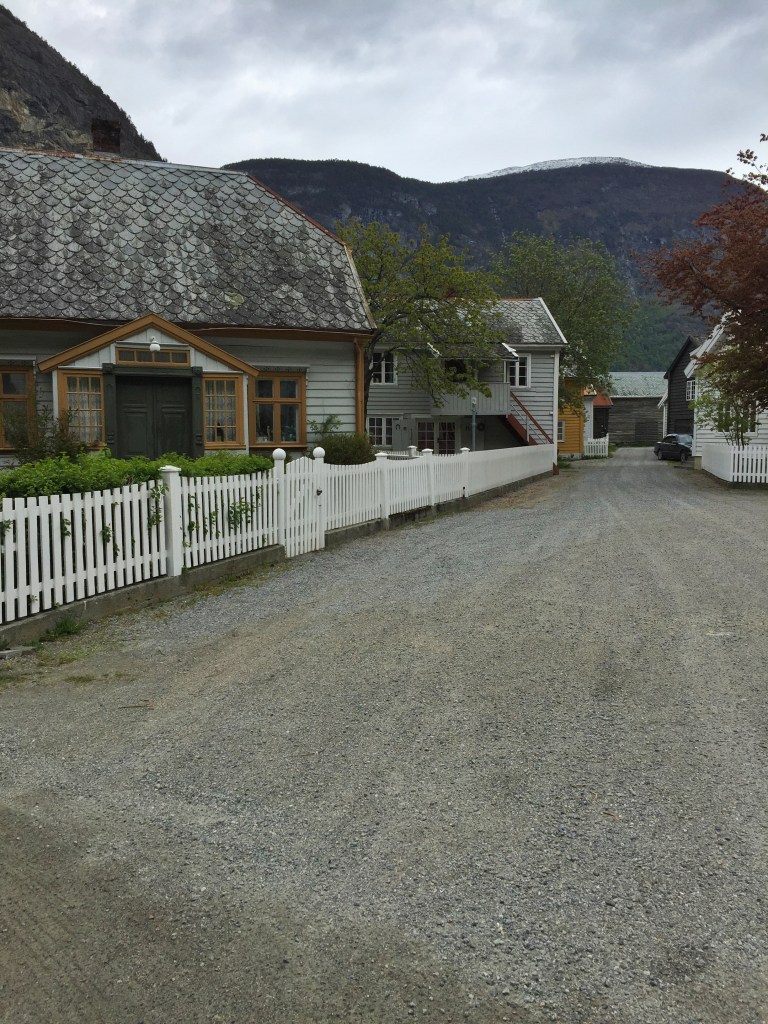
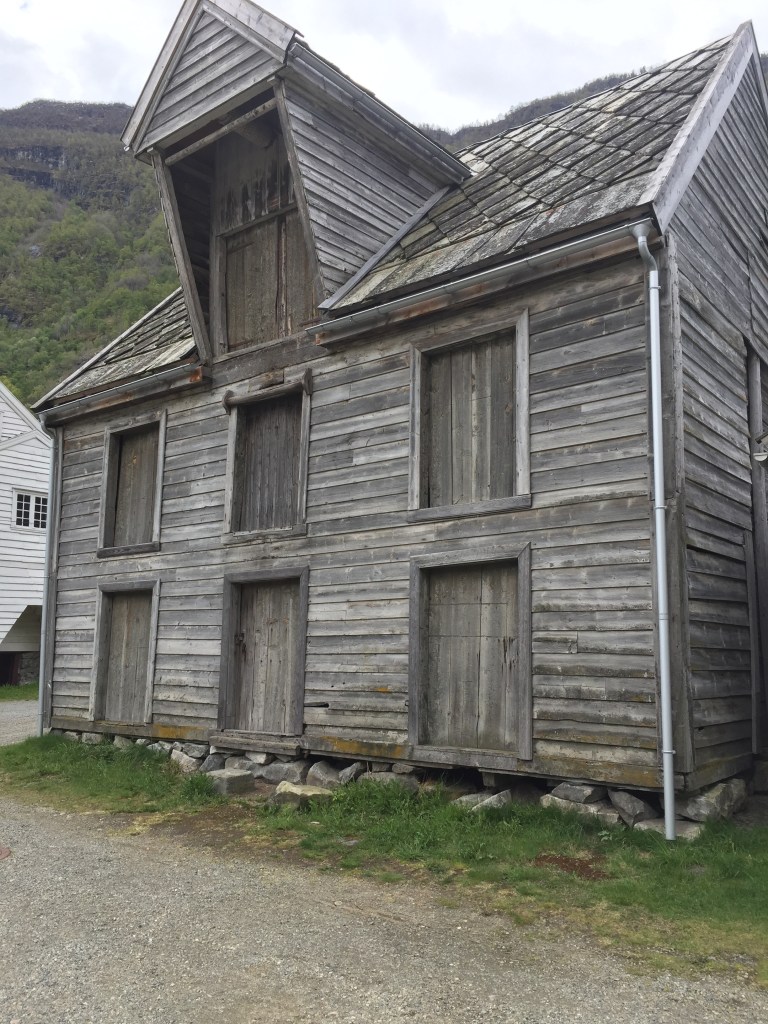
Early merchant house 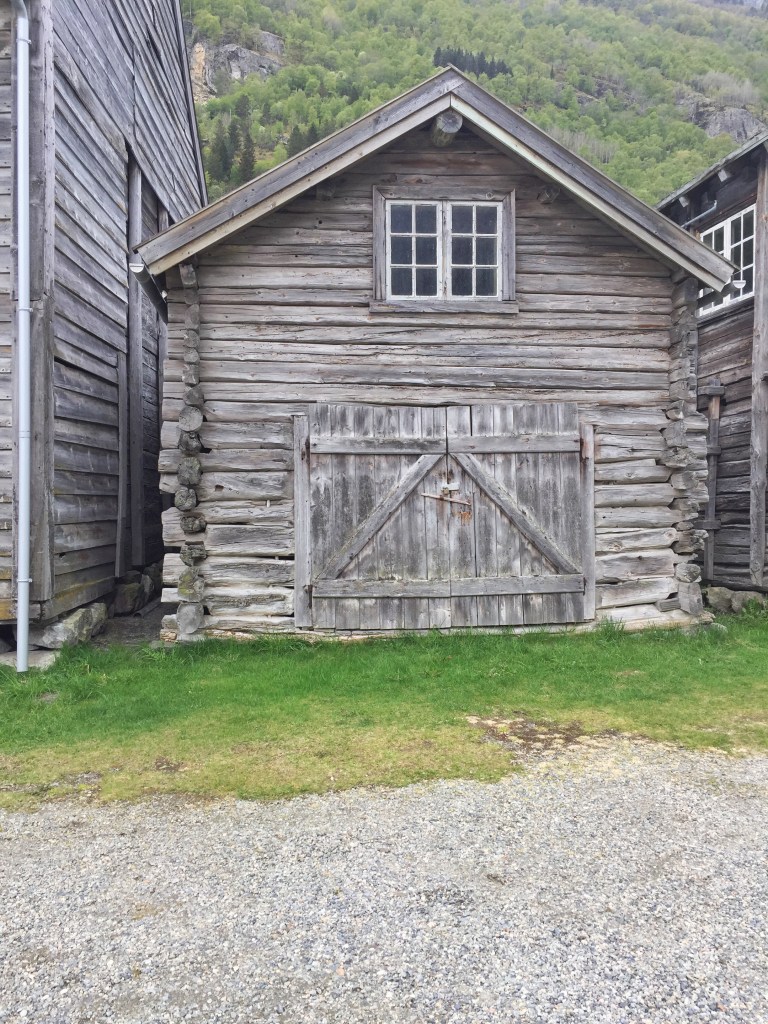
Early boat house 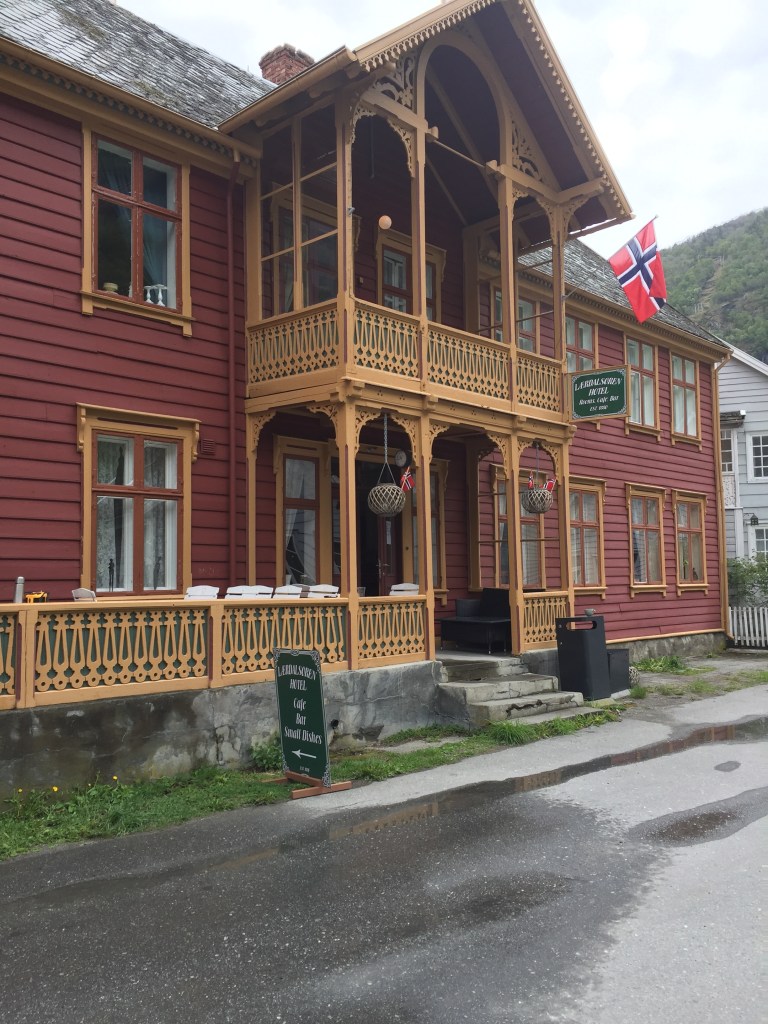
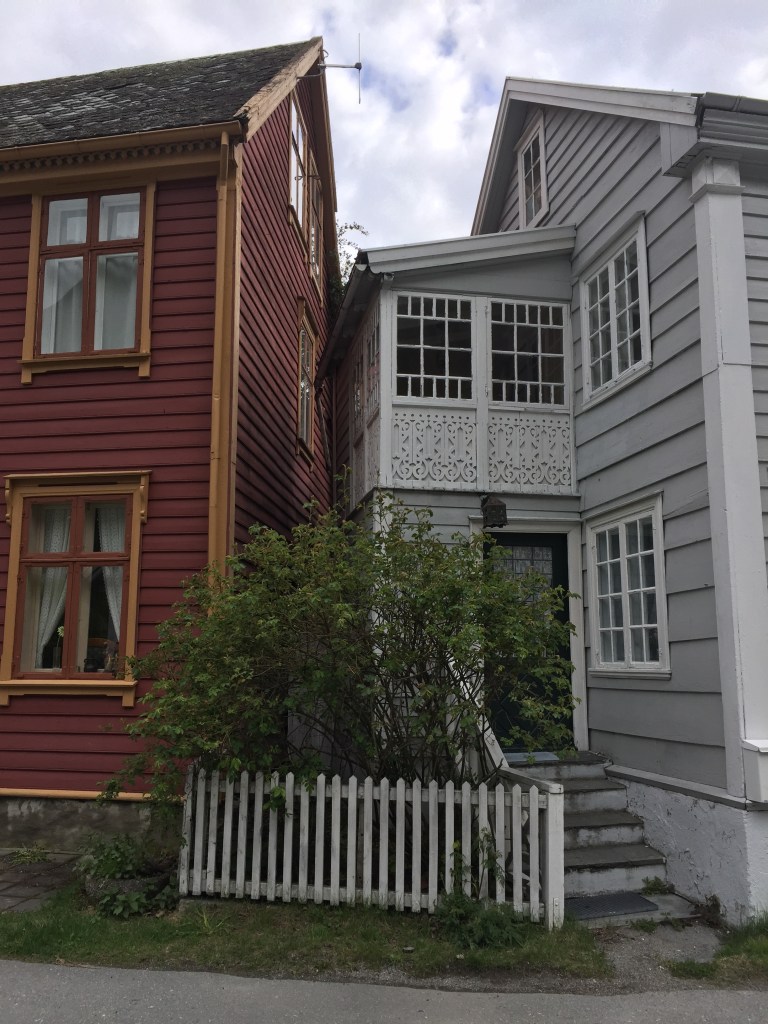
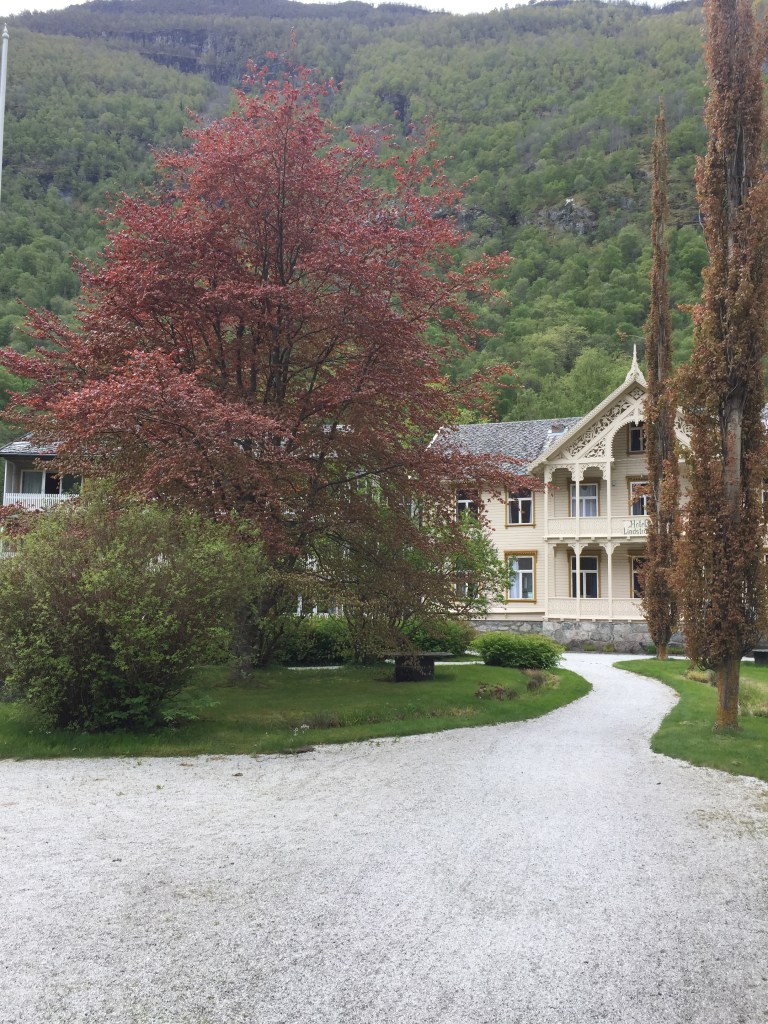
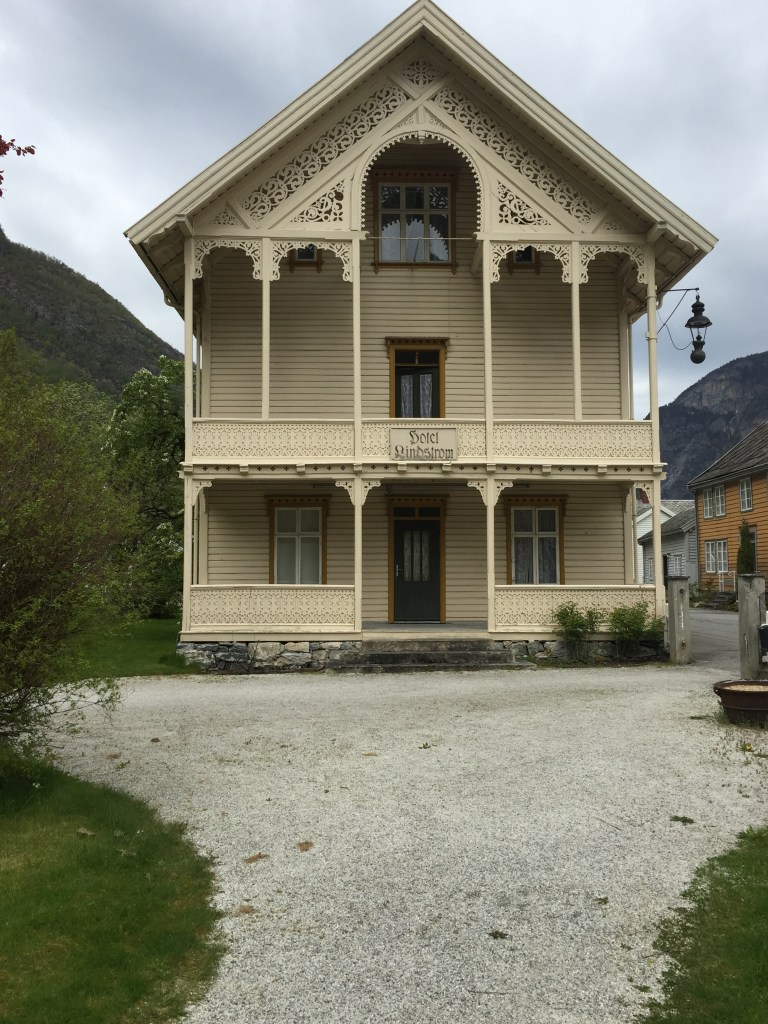
Reconstruction of historic hotel 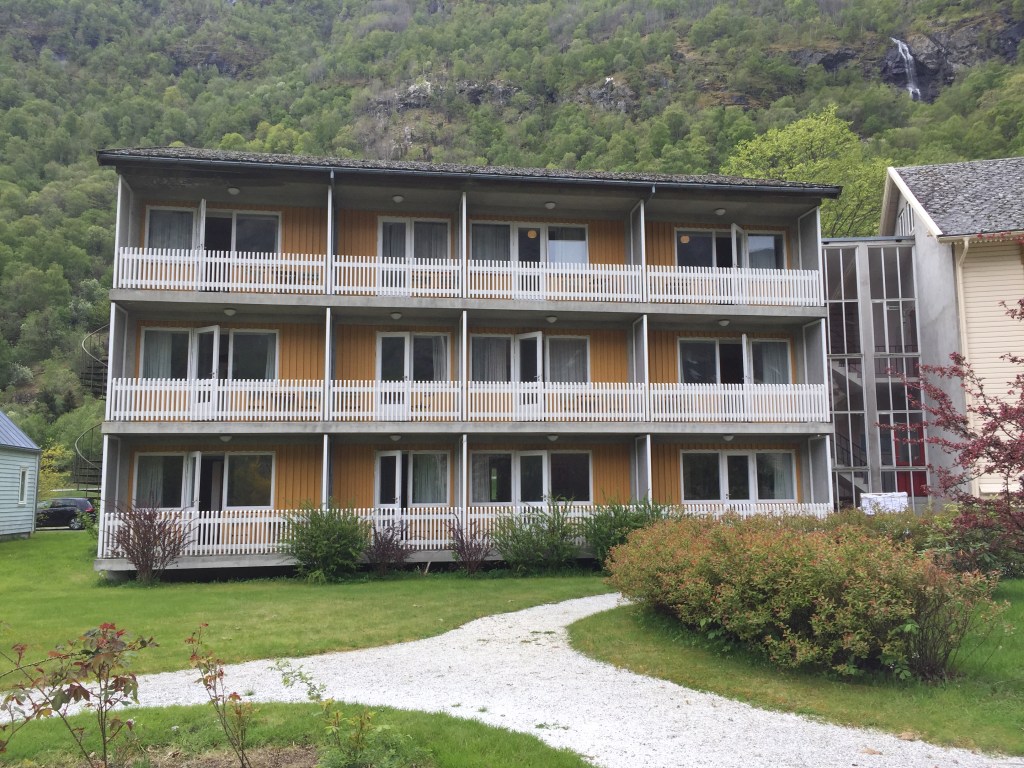
Hotel addition 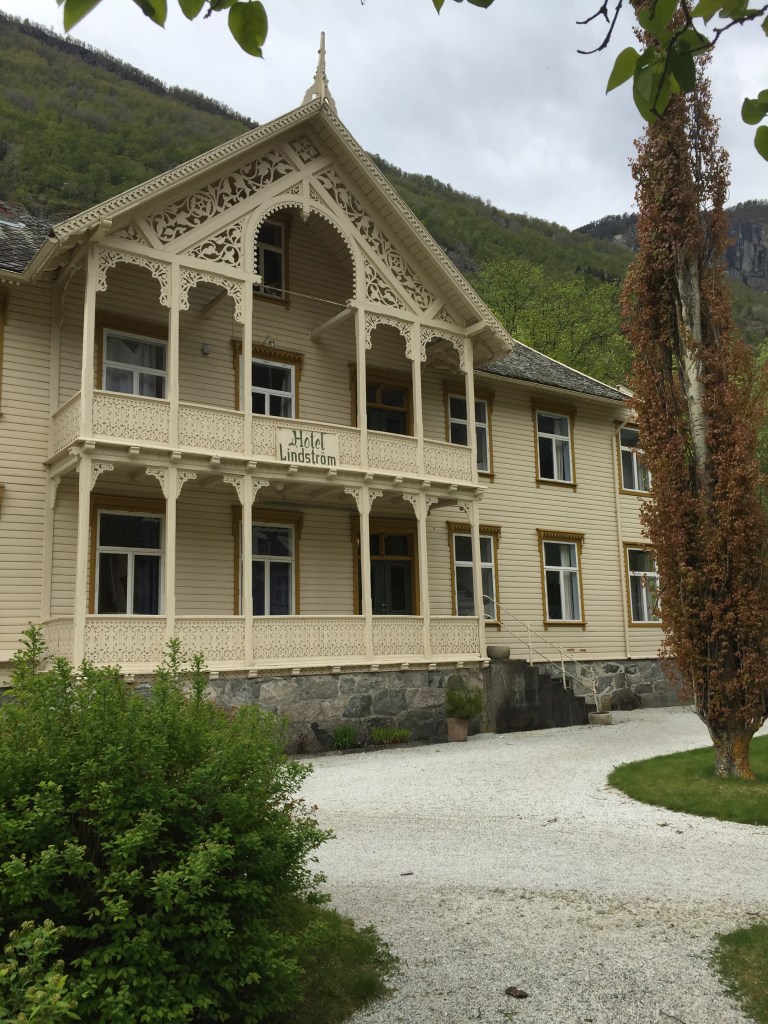
Historic hotel 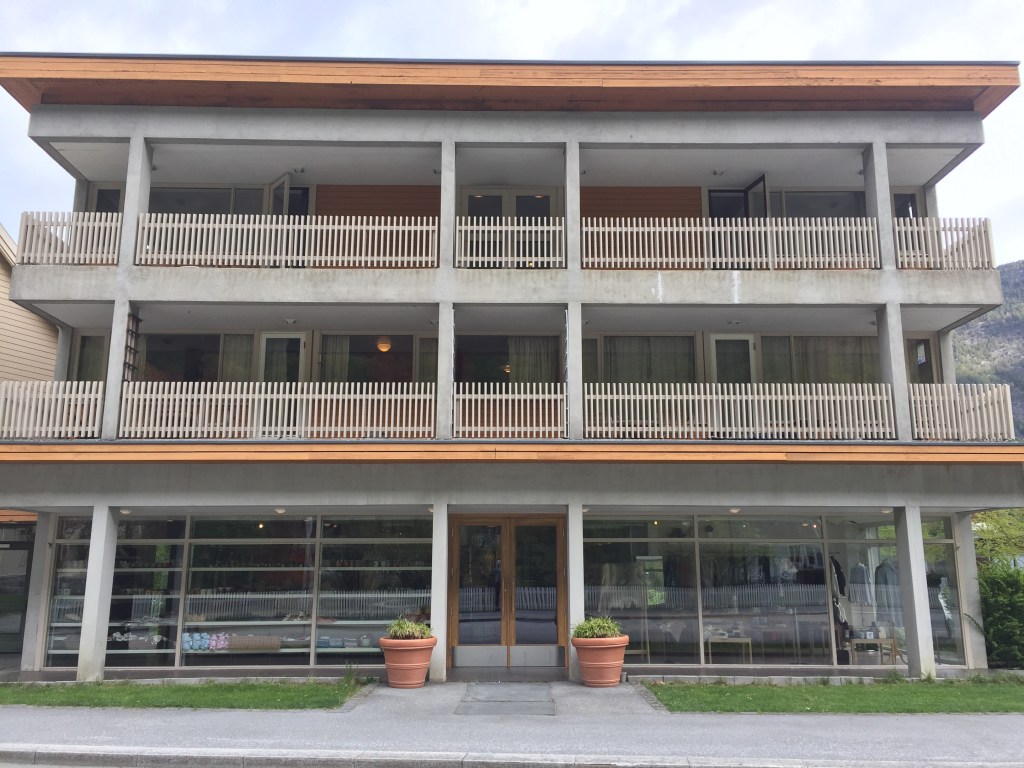
Hotel addition 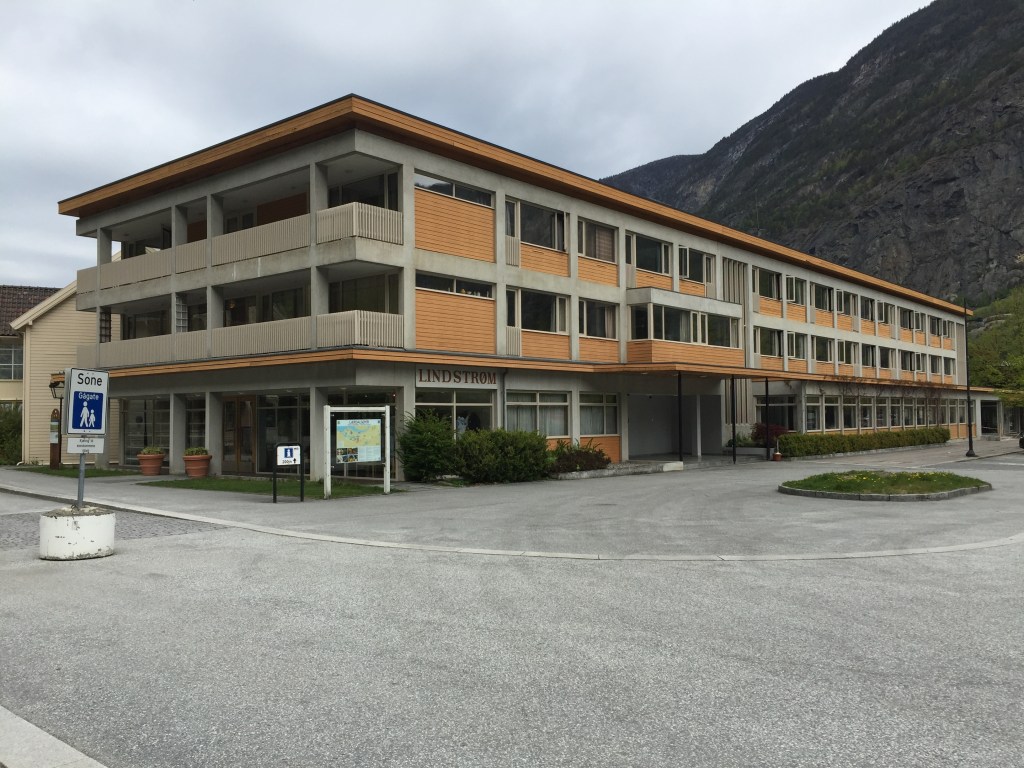
Hotel addition 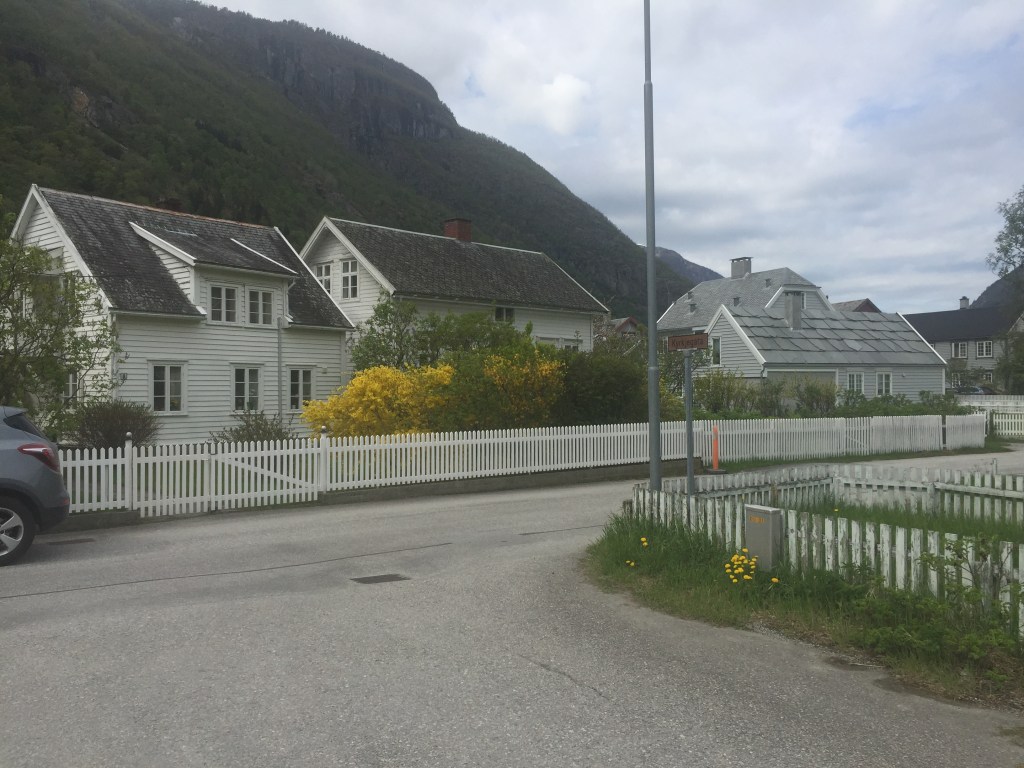
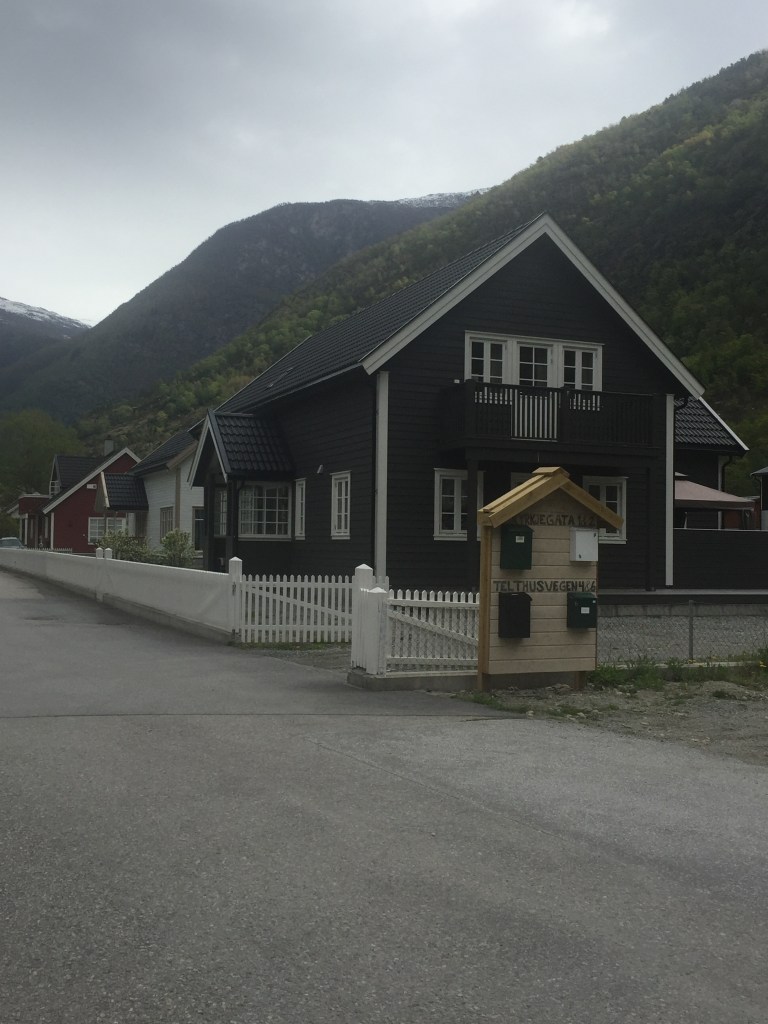
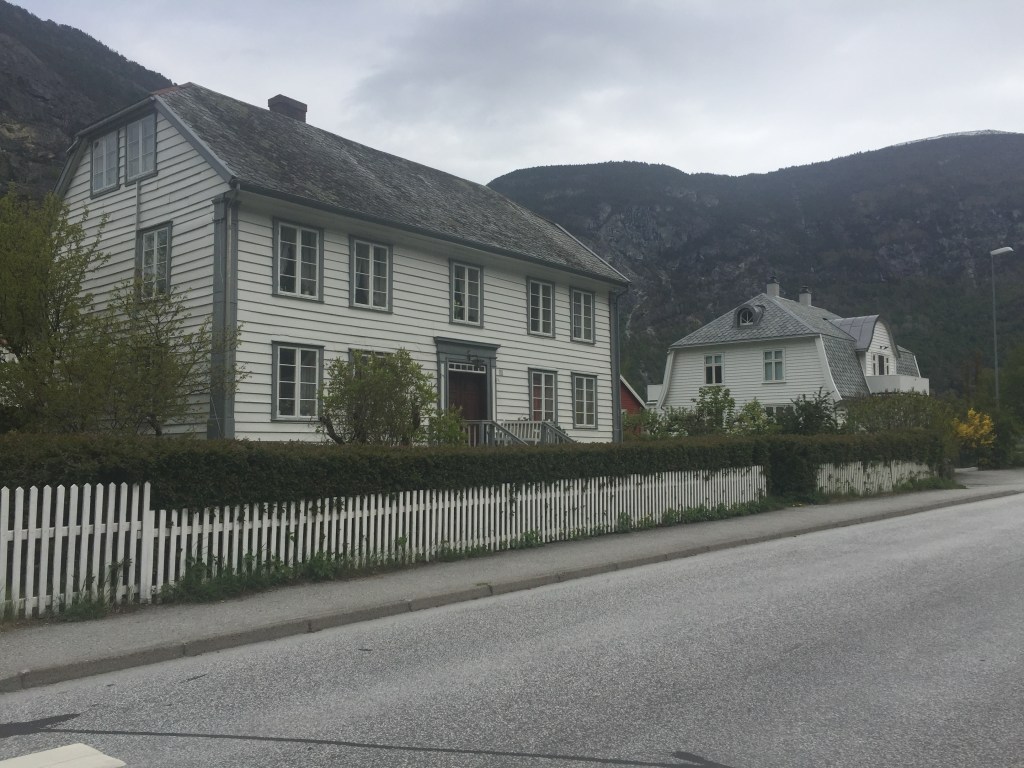
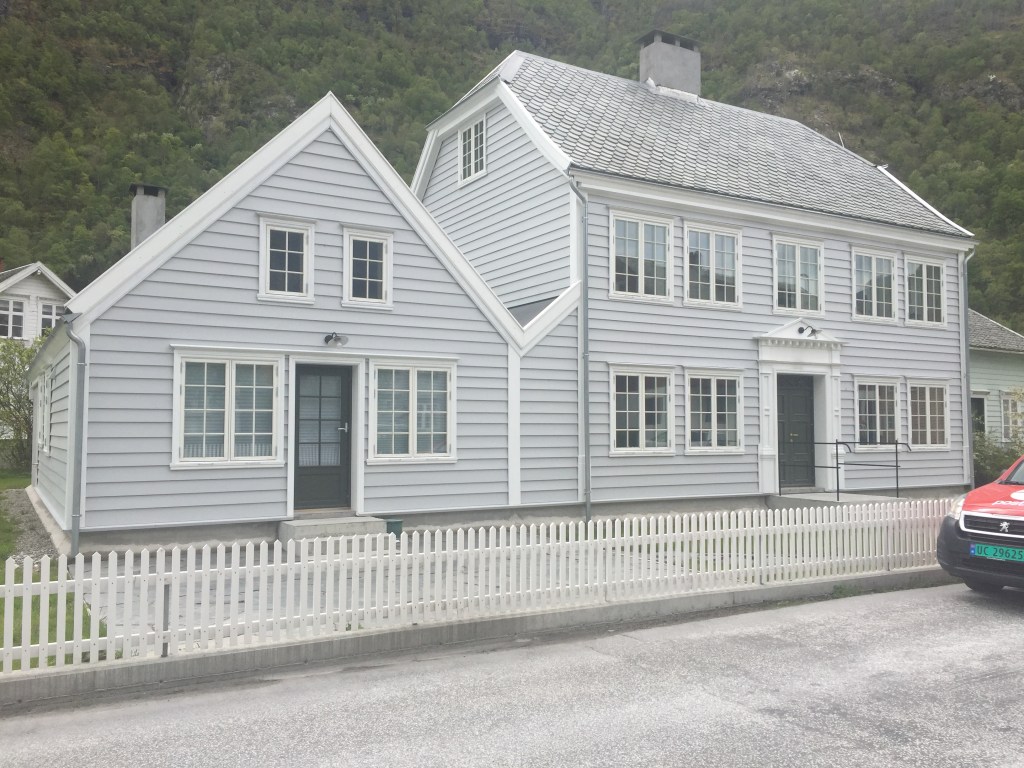
Reconstruction of Listed House and Bakery 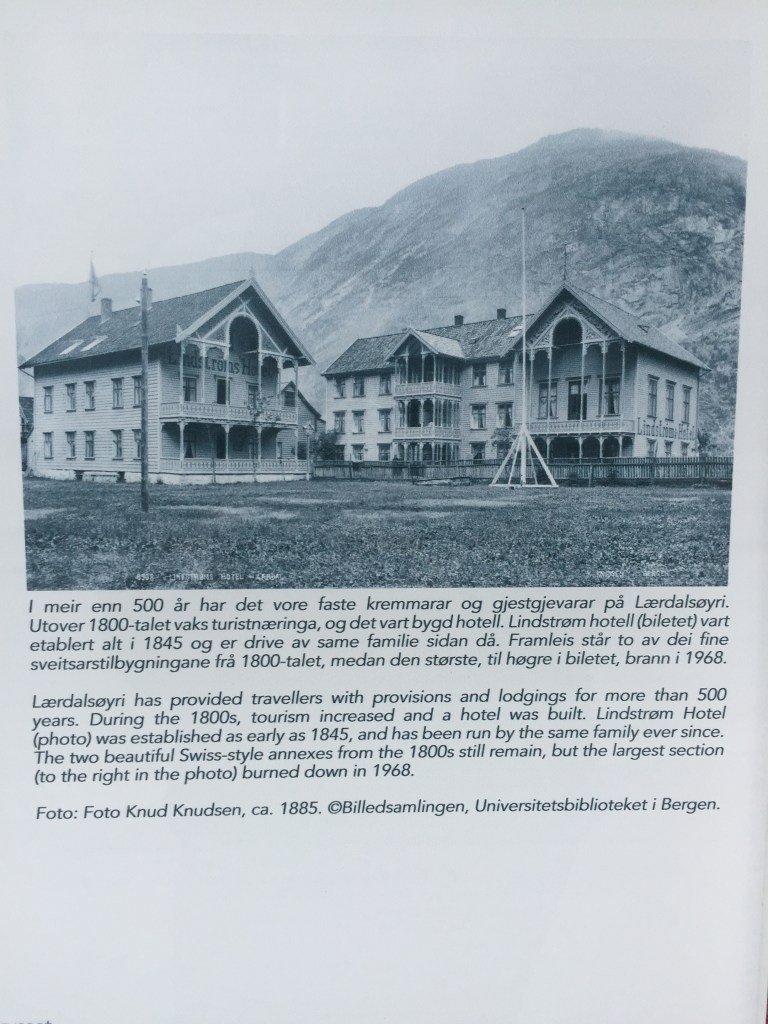
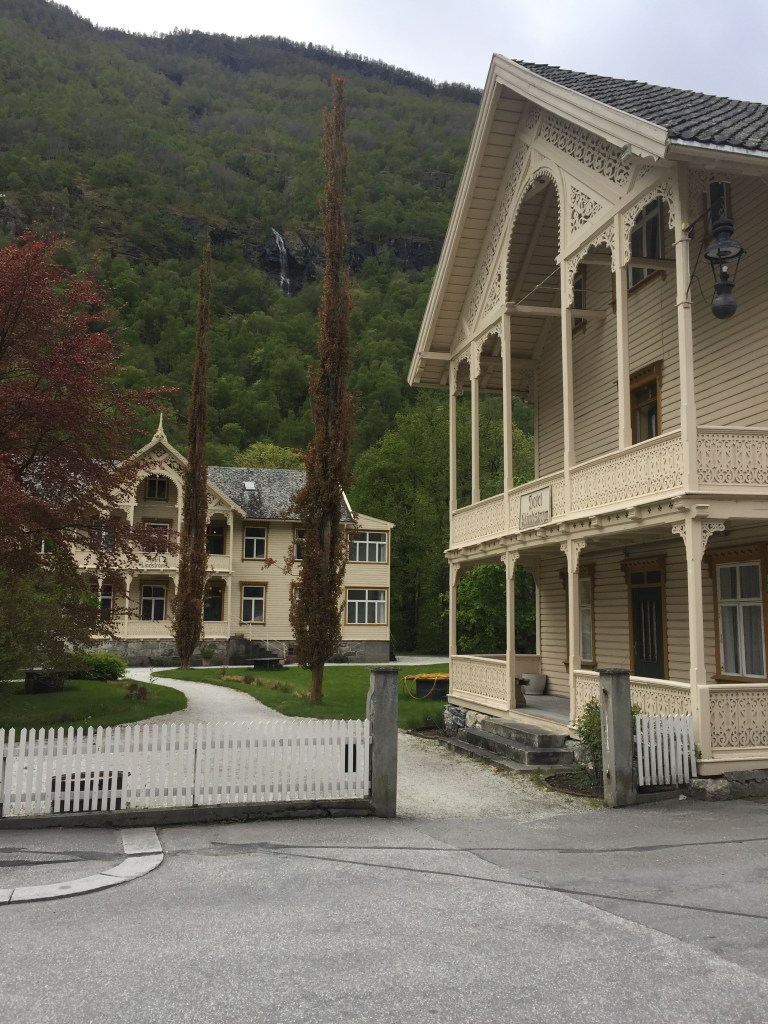
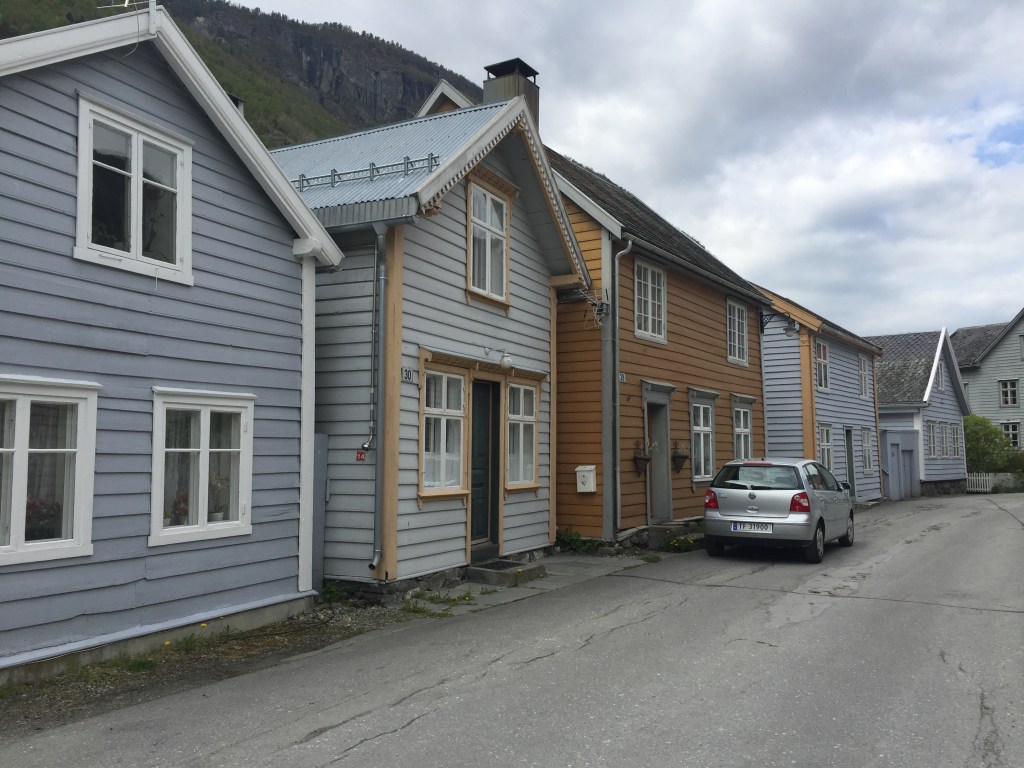
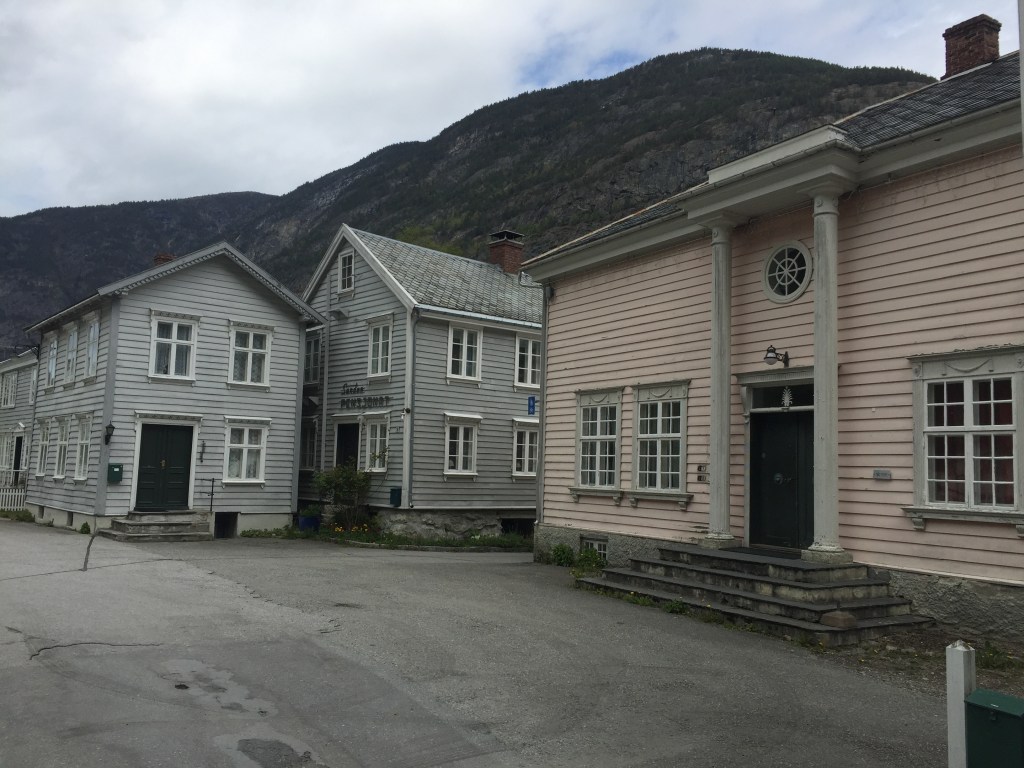
Original city hall at right, Sanden pensjonat (my lodging) at center 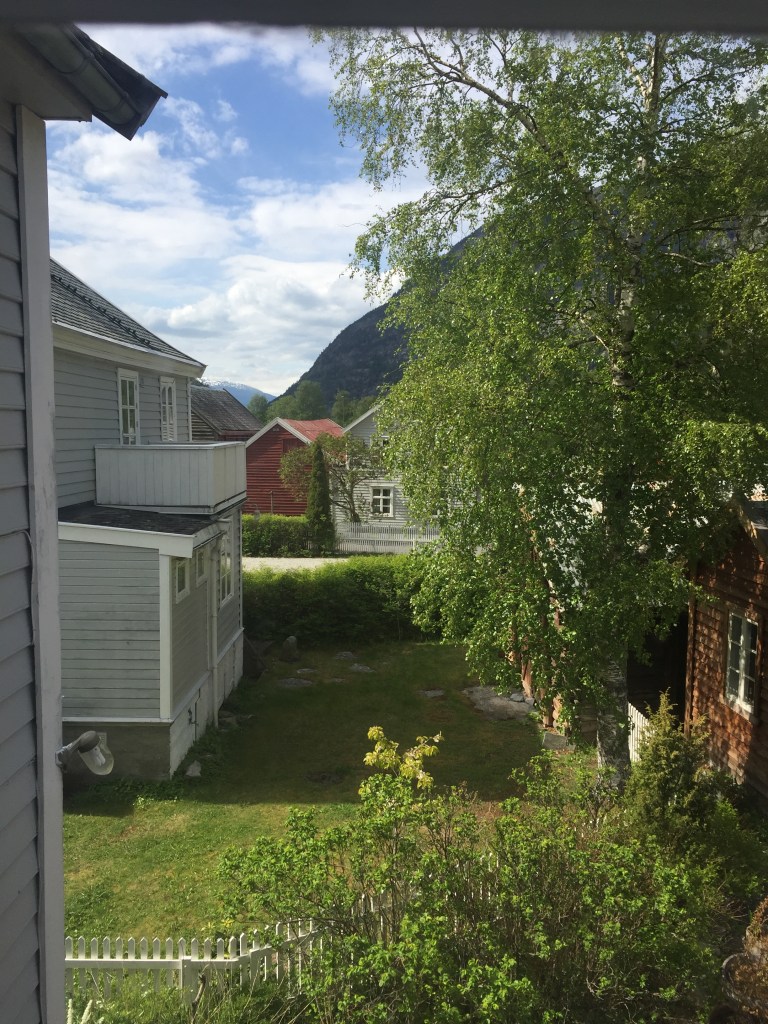
View from Sanden room 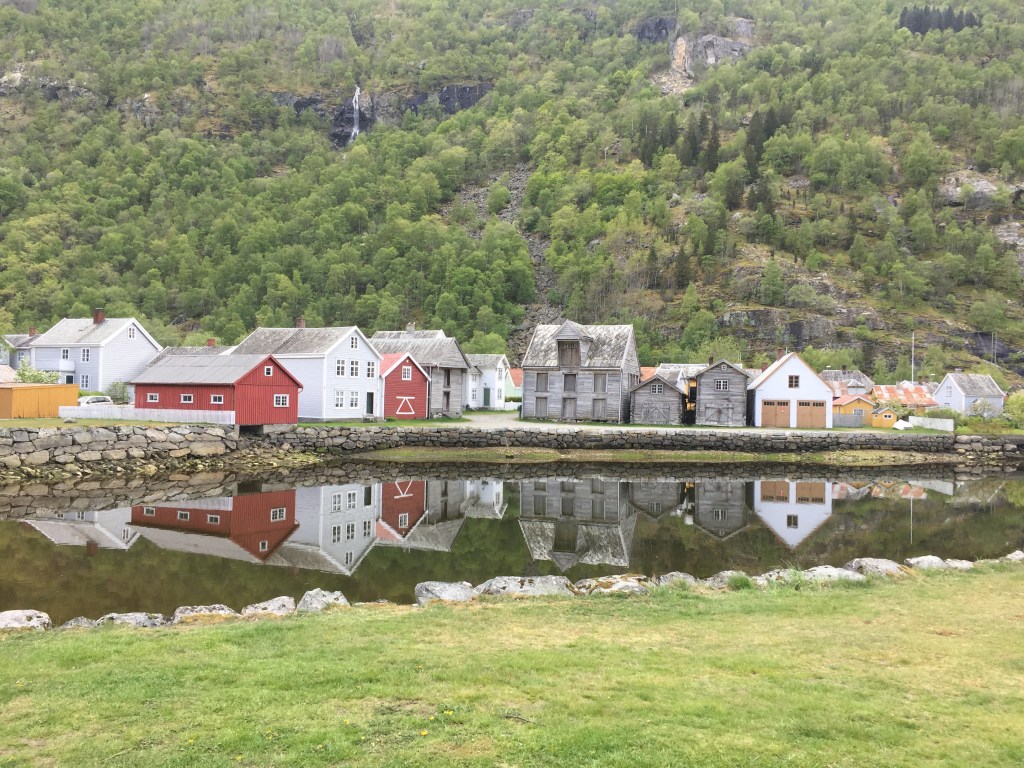
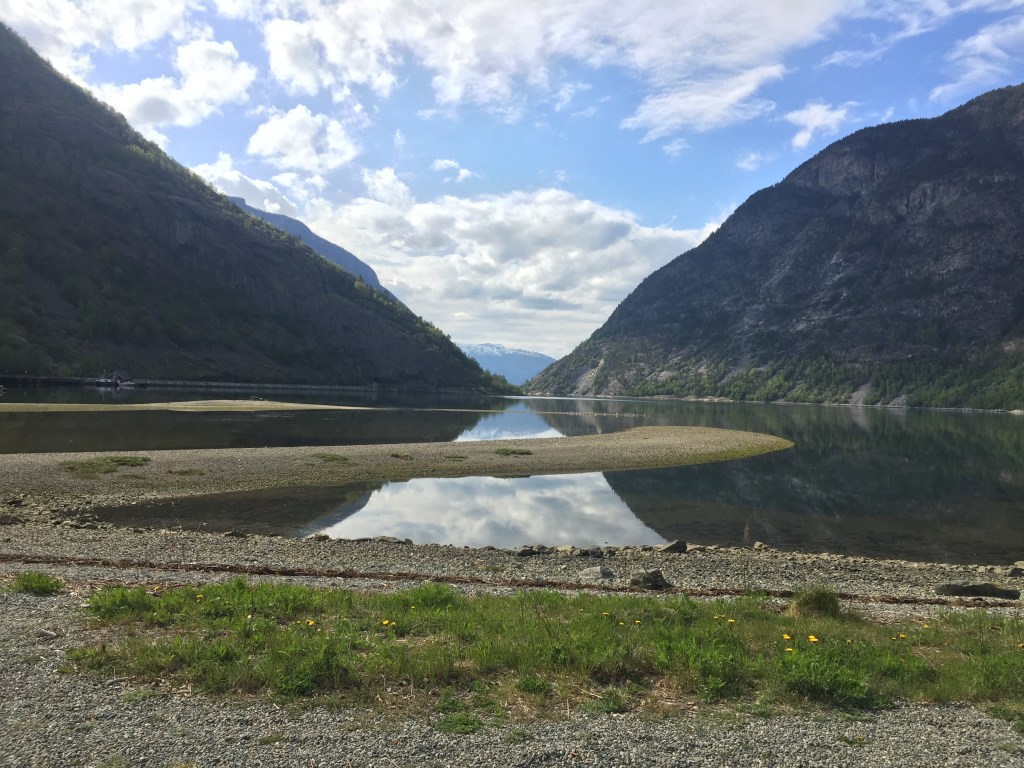
At the ørye -the sandy shore at the edge of the fjord 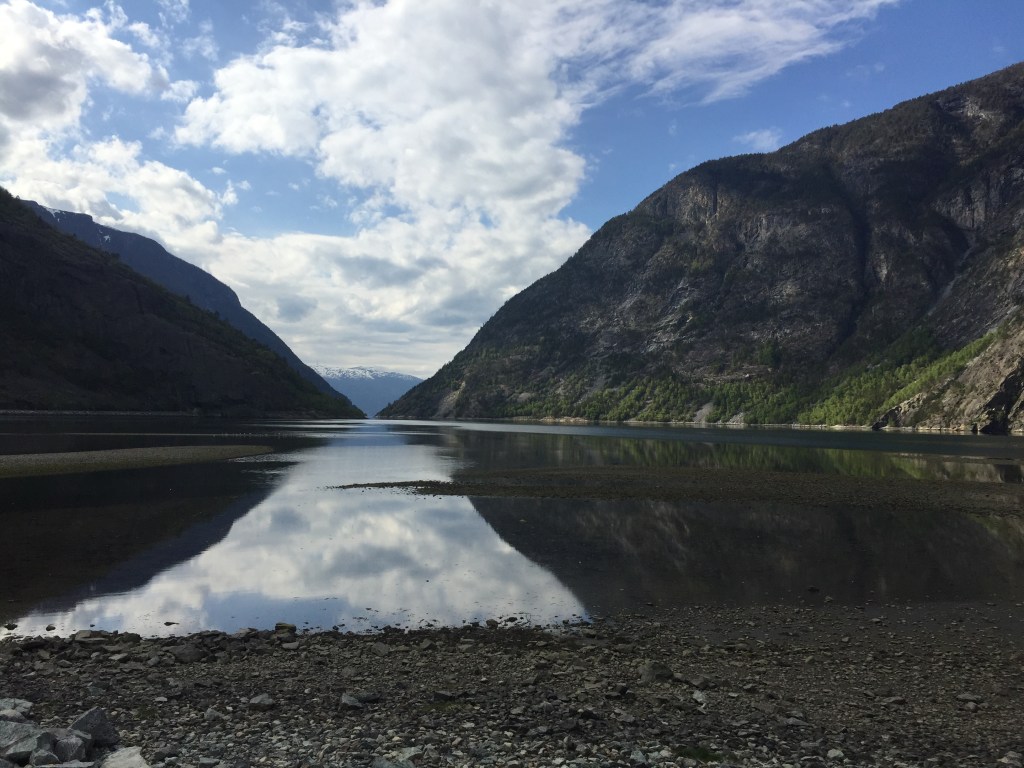

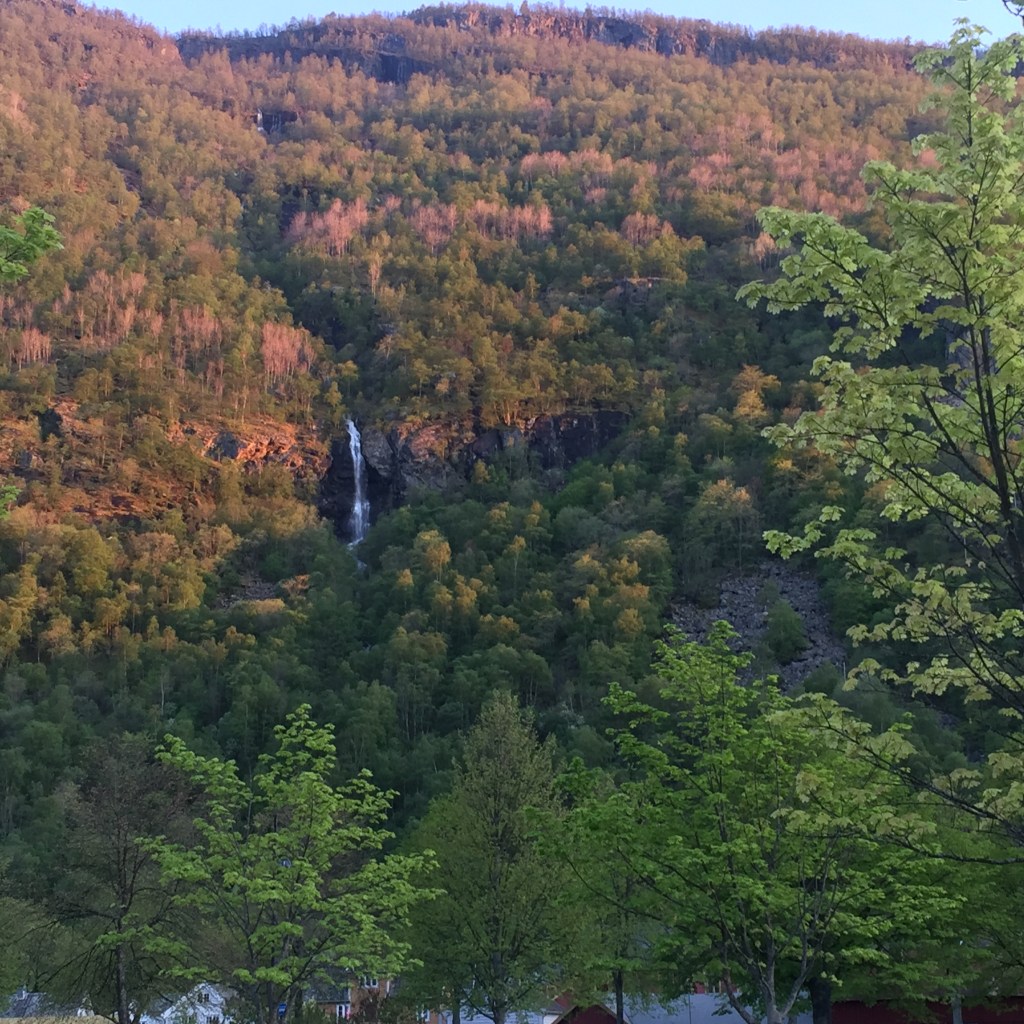
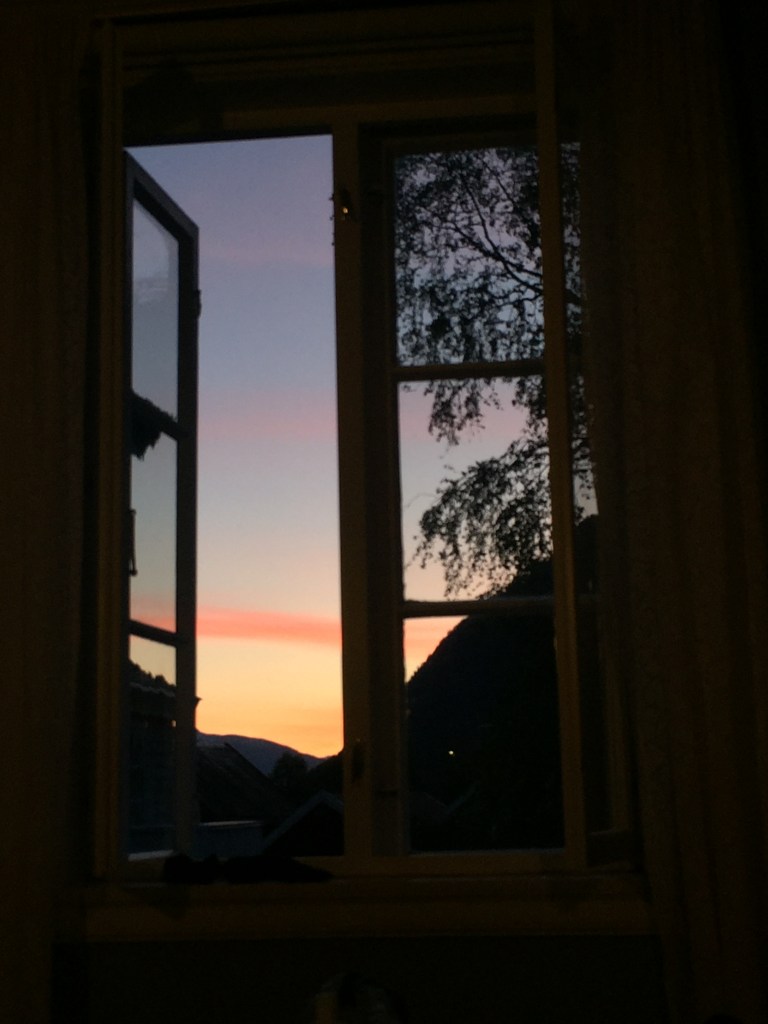
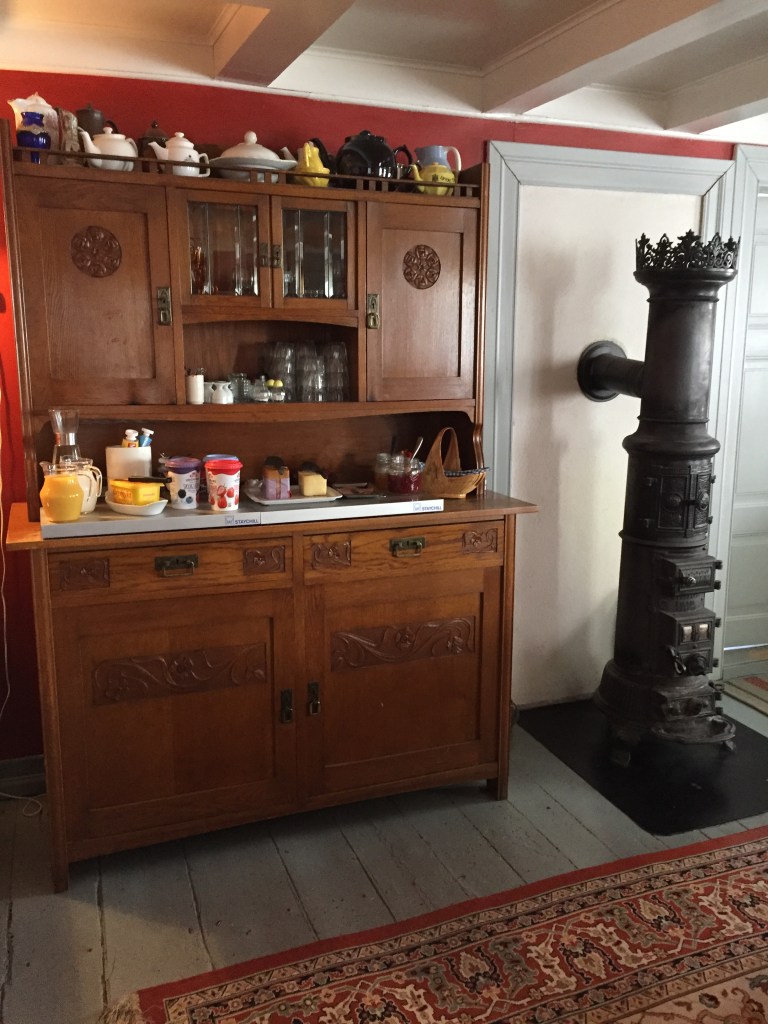
Interior at Sanden. There was a lovely cast stove in place. 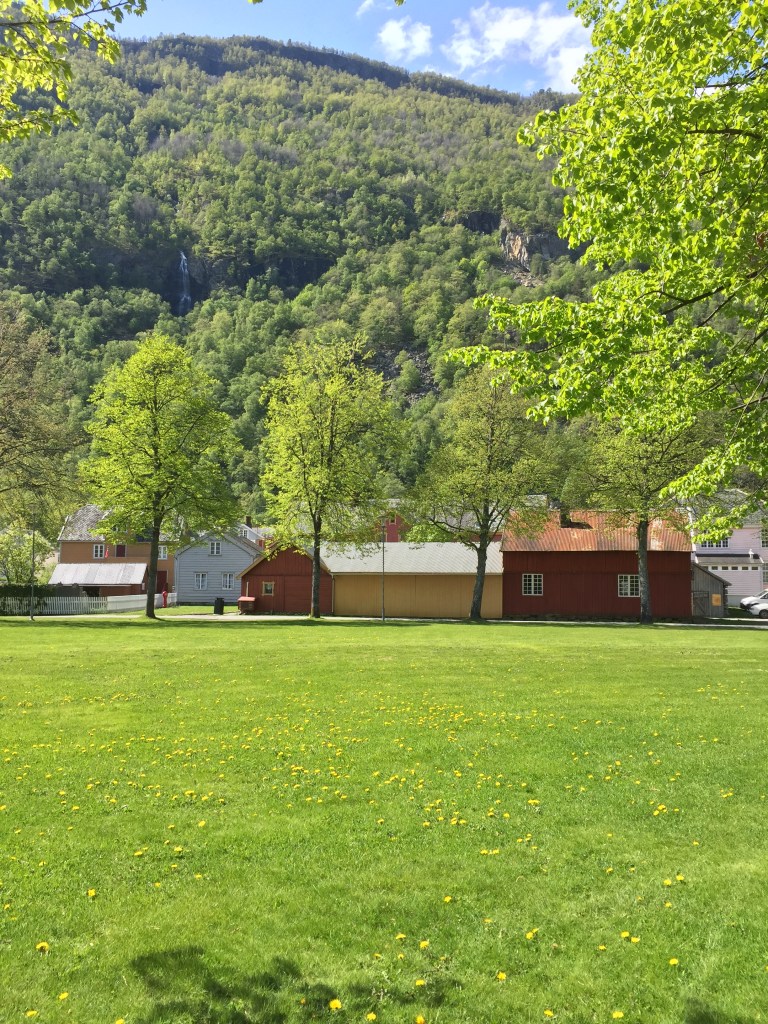
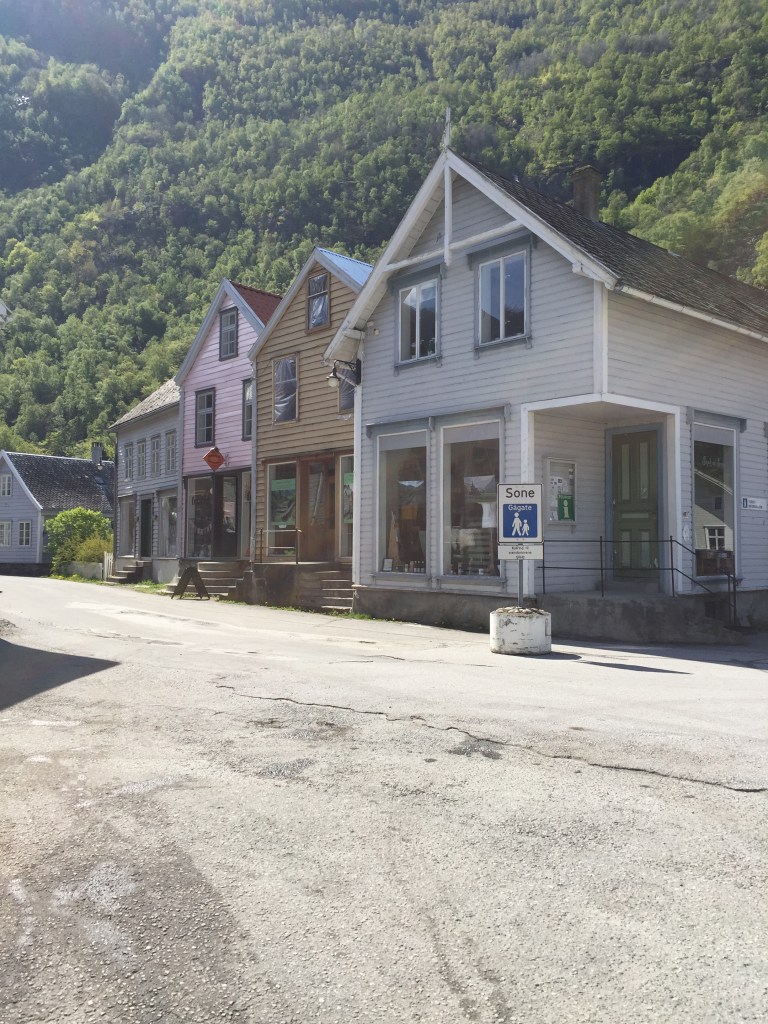
My lodging was located next to many of the town shops, however most were closed until the summer tourist season would begin in a few weeks
 Nordic Vernacular Preservation: A Travel Blog
You must be logged in to post a comment.