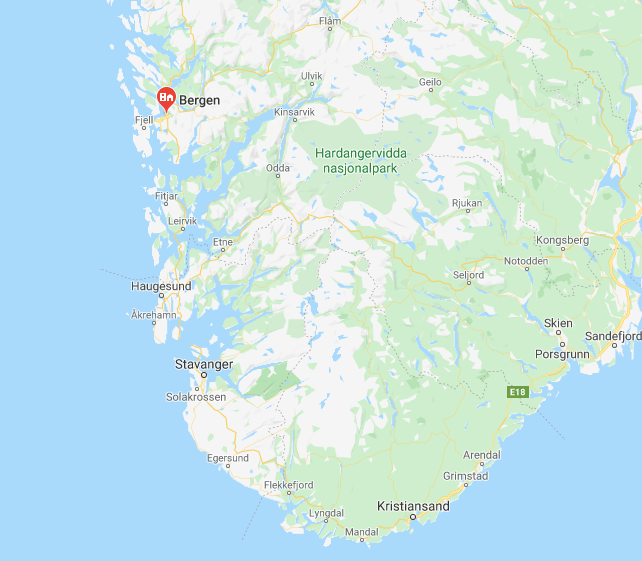
Due to transportation issues, it was much more efficient for me to fly out of Bergen rather than take the train to my next stop, so I took advantage of getting to see this city again with a few of my “flex” days. Not to waste an opportunity, I set up a meeting with Kari Morkesdal, a friend of an acquaintance of mine here in Seattle, Lori Ann Reinhall, the editor-in-chief of the Norwegian American. The morning after I arrived, however, was Norway’s national day. Having experienced the “ghost town” feeling of both Easter and a few bank holidays, I wasn’t sure what to expect. I was wildly incorrect in my expectations. By sunrise, people were out walking in a parade and salute. The harbor was completely full of boats and an amusement park was setting up outside of Rosenkrantz. Many wore traditional bunads and parades continued through the city weaving in and out of city blocks. I found a spot where both parades crossed paths so it was fun to see all of the bands, flags and performers all at once. By the early afternoon, the parades had quieted and everyone was out eating lunch and enjoying the day. I met up with a group of foreign students and tagged along with them for the rest of the day.
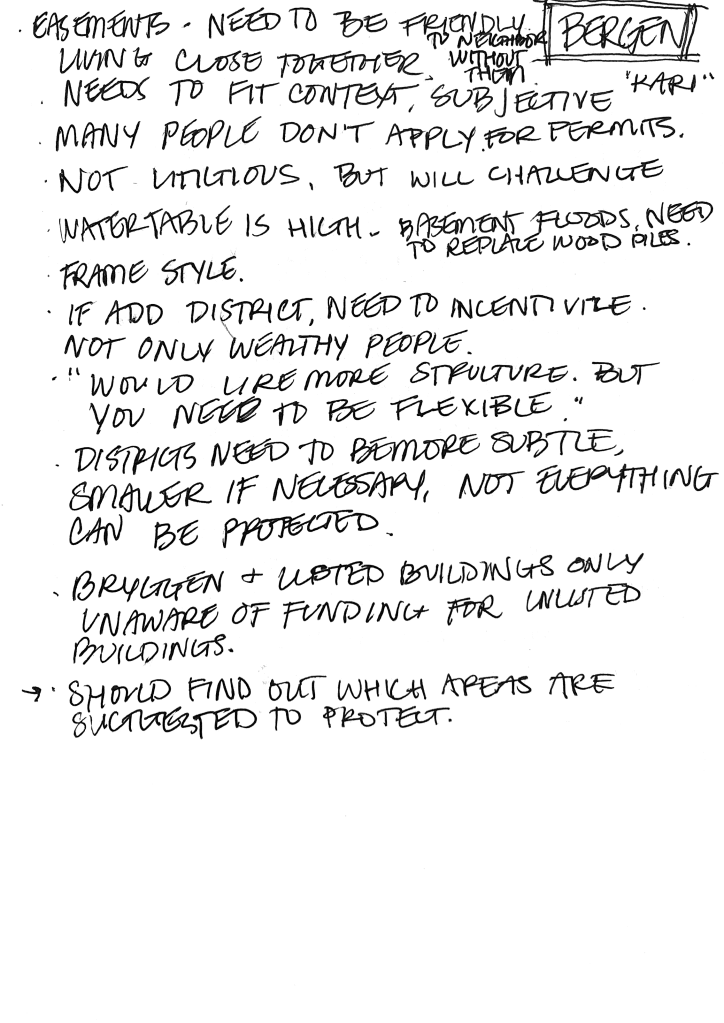
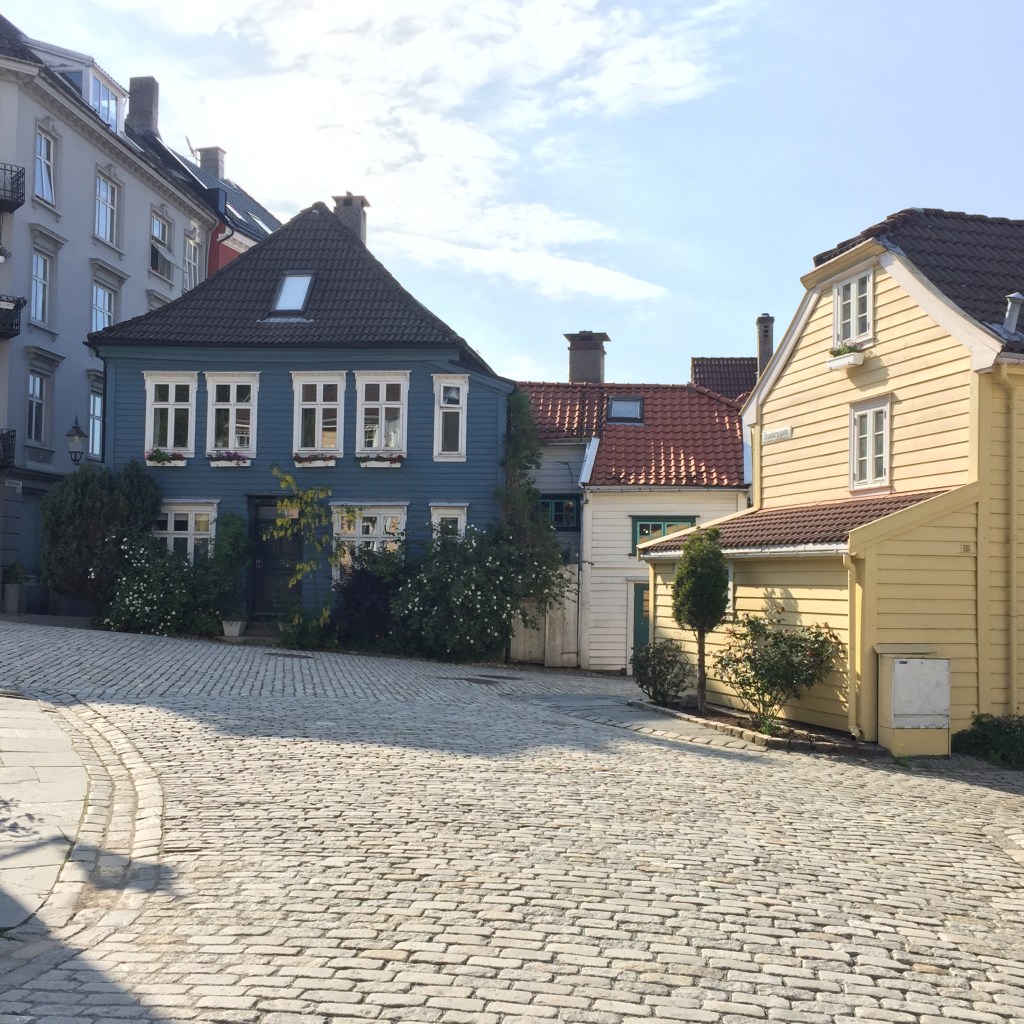
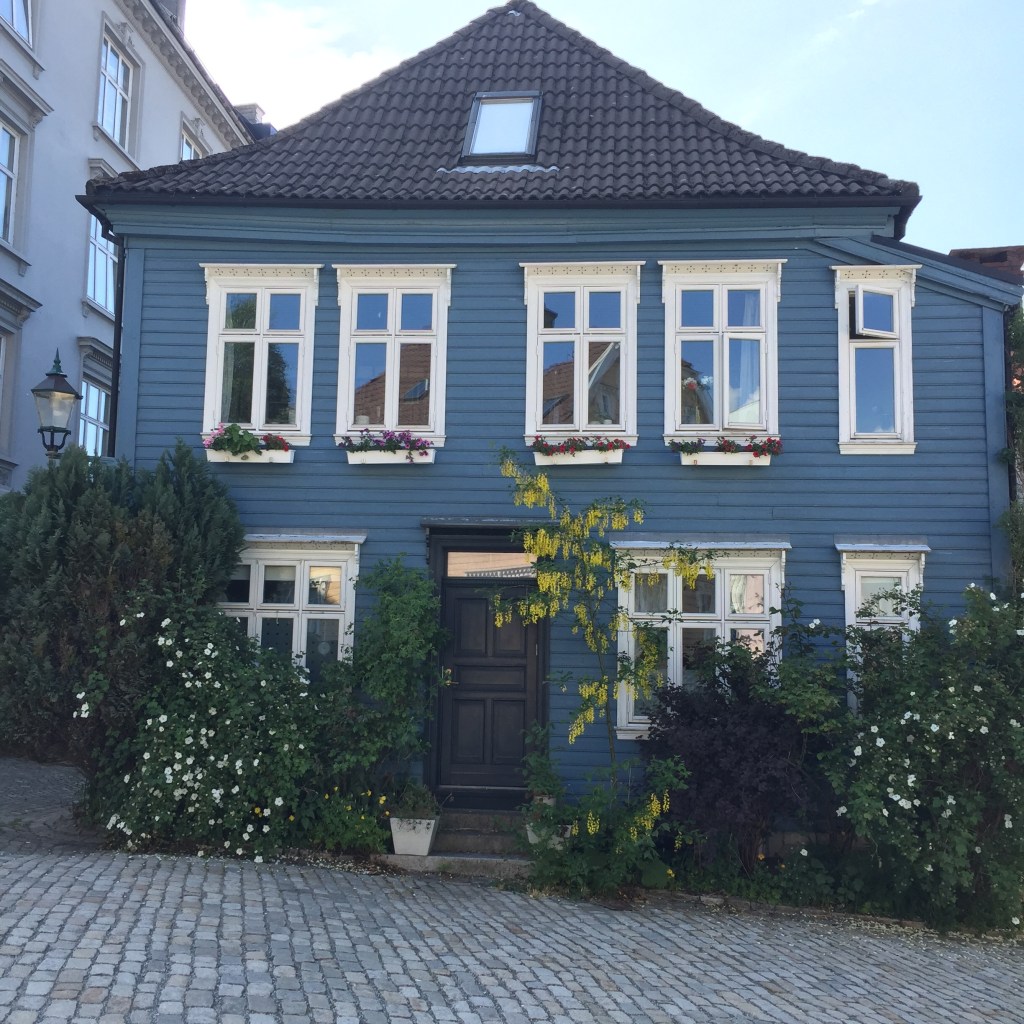
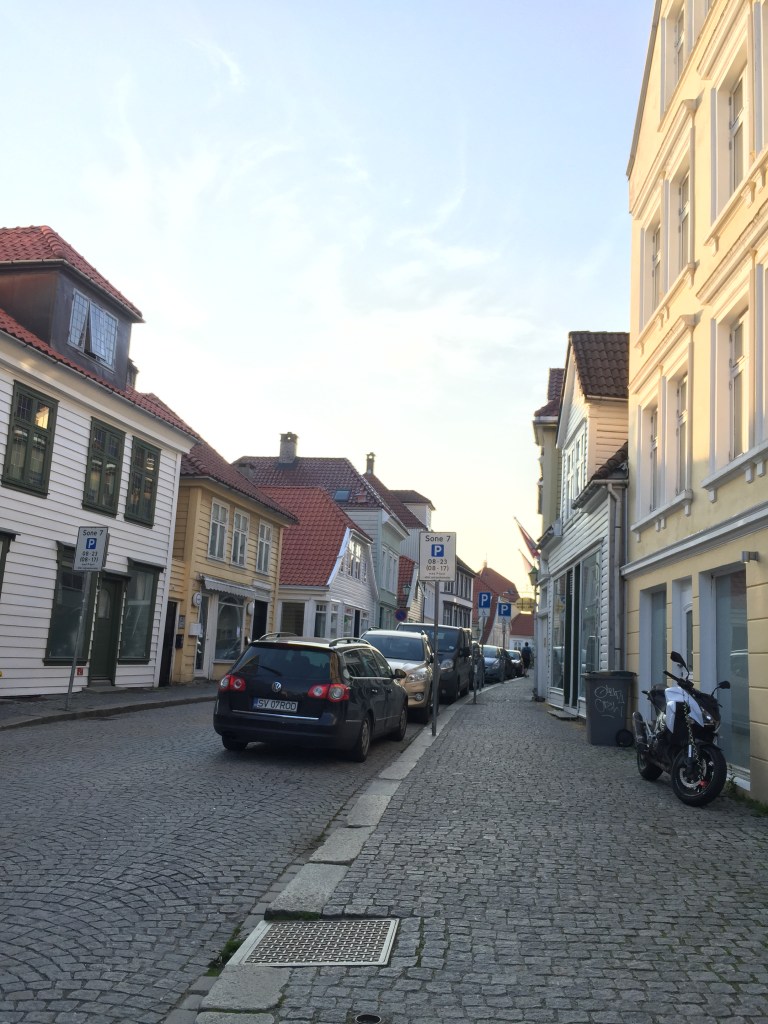
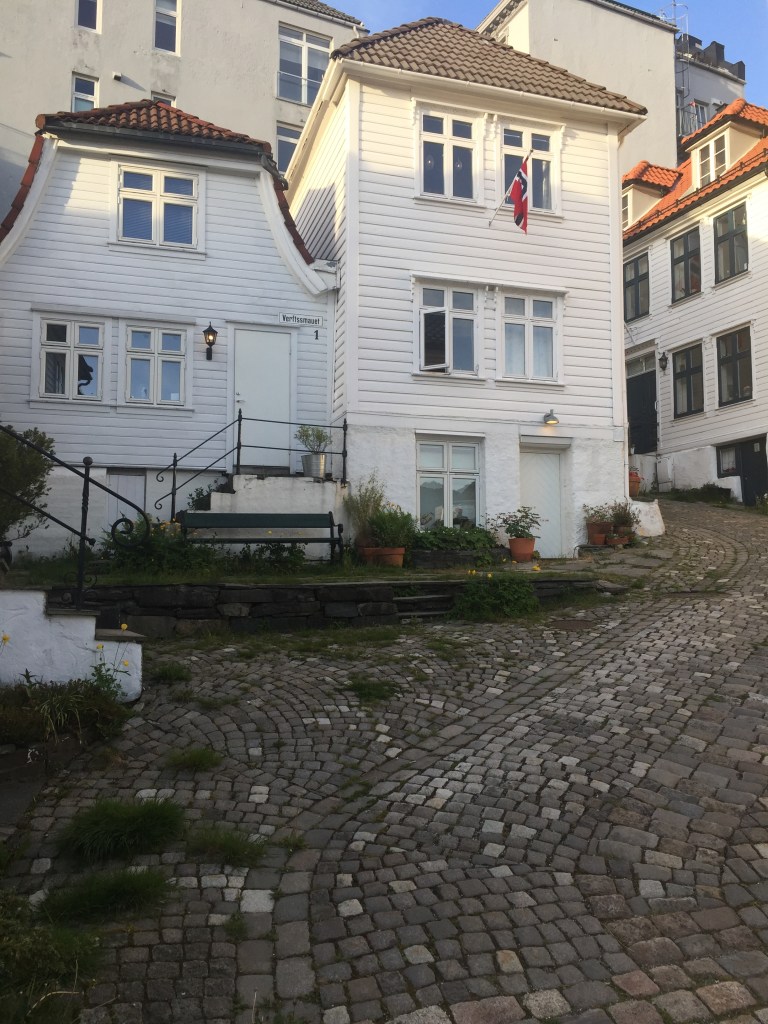
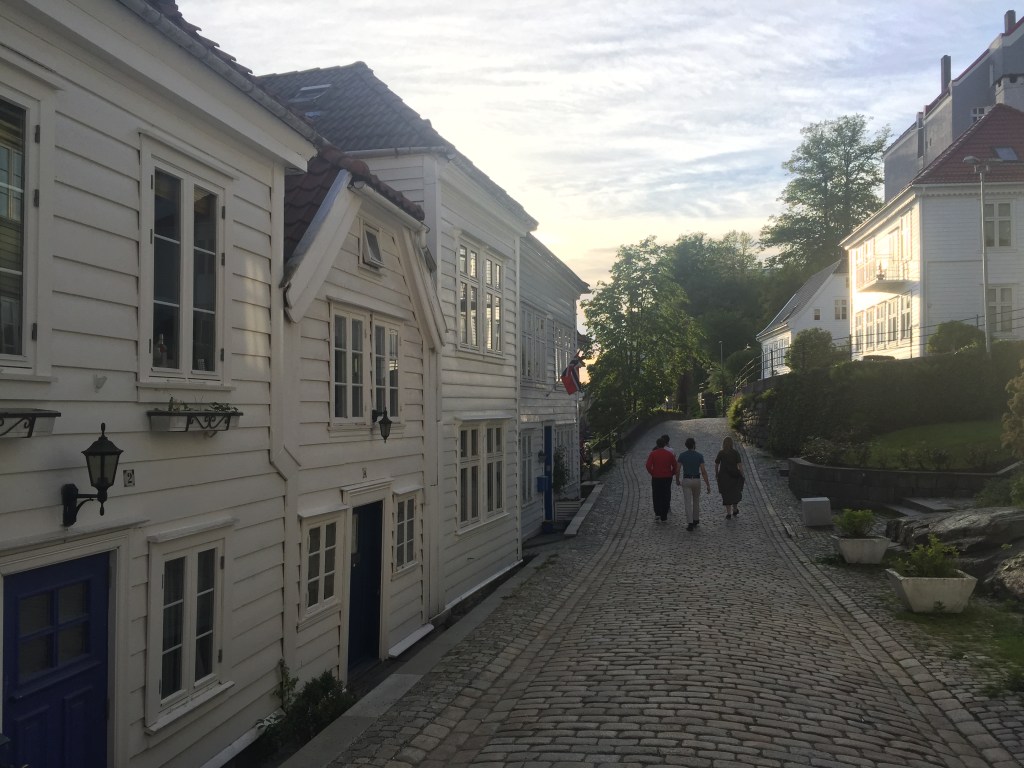
The next day, I met with Kari Morkesdal. Kari lives in Stølen, an area just north of Bryggen and she gave me a tour of her traditional timber house. Currently she rents out the lower level to a student and she occupies the upper two floors.We talked mainly about the experiences of a resident owning of a historic house. Even though the area is not a what we would call a historic district, she follows maintenance and upkeep of the house per preservation recommendations, using only linseed paint and proper materials. For her, upkeep can be more of a concern. We walked around the outside of the house where she has part of her building past the point of accessibility on her property. She said that maintaining good relations with neighbors is tantamount to proper upkeep unless you have an access easement. Even then, it can be difficult sometimes when the houses are in such close proximity.
In Bergen, perhaps opposed to smaller towns, the residents are more savvy when it comes to changes. “Many people don’t apply for permits,” according to Kari. It is bothersome to go through the city’s process and even then, requests may be denied. If a new historic district were to be implemented, either in Stølen or elsewhere in Bergen, Kari says that it will need to be structured, but flexible and incentivize all classes to live in the area and preserve, not just the wealthy.
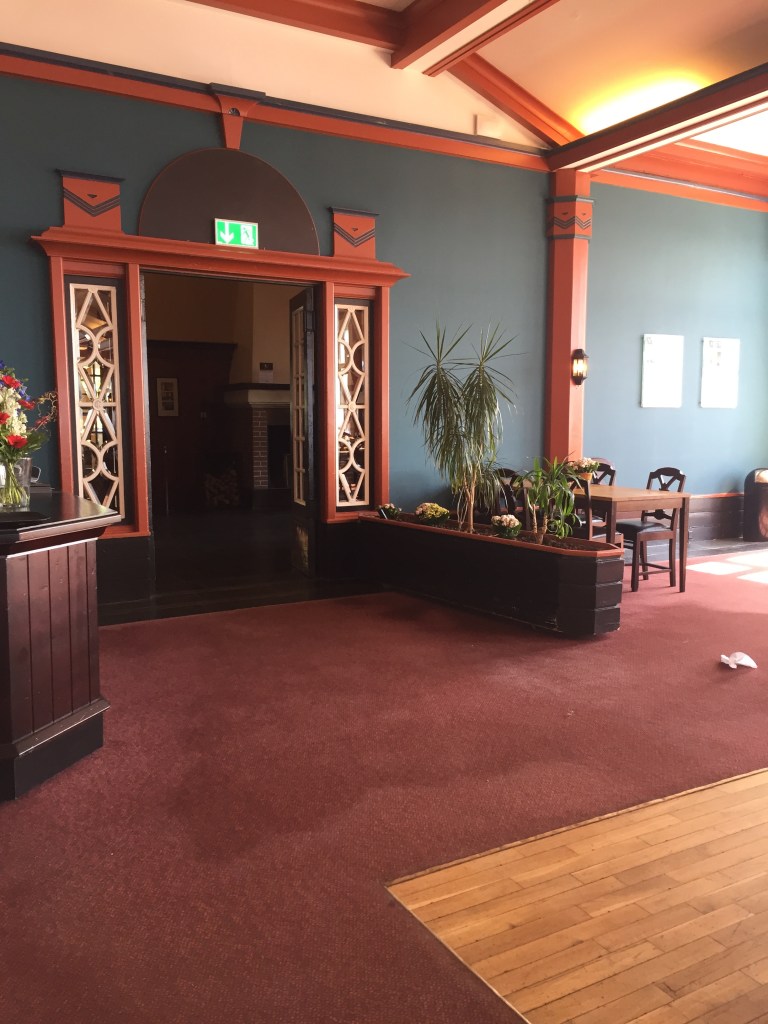
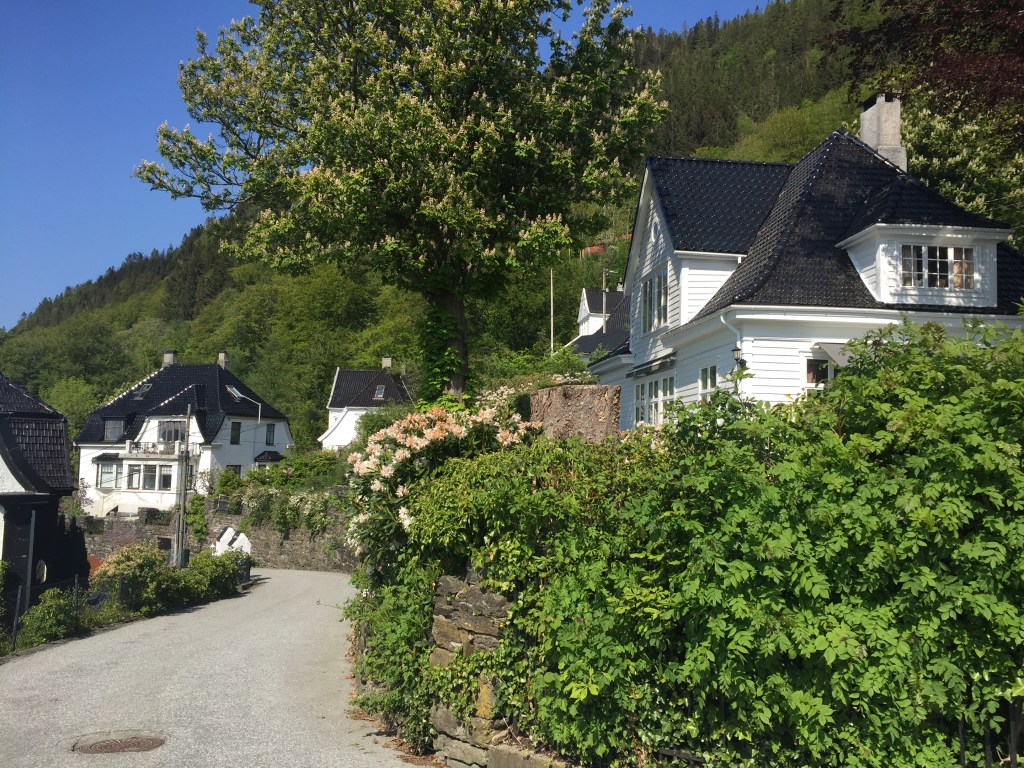
My last day in Bergen was spent attending a tour of Bryggen’s maritime history, visiting the KODE art museums, and taking the floibanen up to Mt. Fløyen. I was surprised to find a historic building at the top and was treated to a short private tour by the host of the upper rooms, recently restored. I walked down the mountain and had a beautiful and unique view of the city and some of its larger residences along the way down. It didn’t rain an inch while I was there – a stroke of luck!
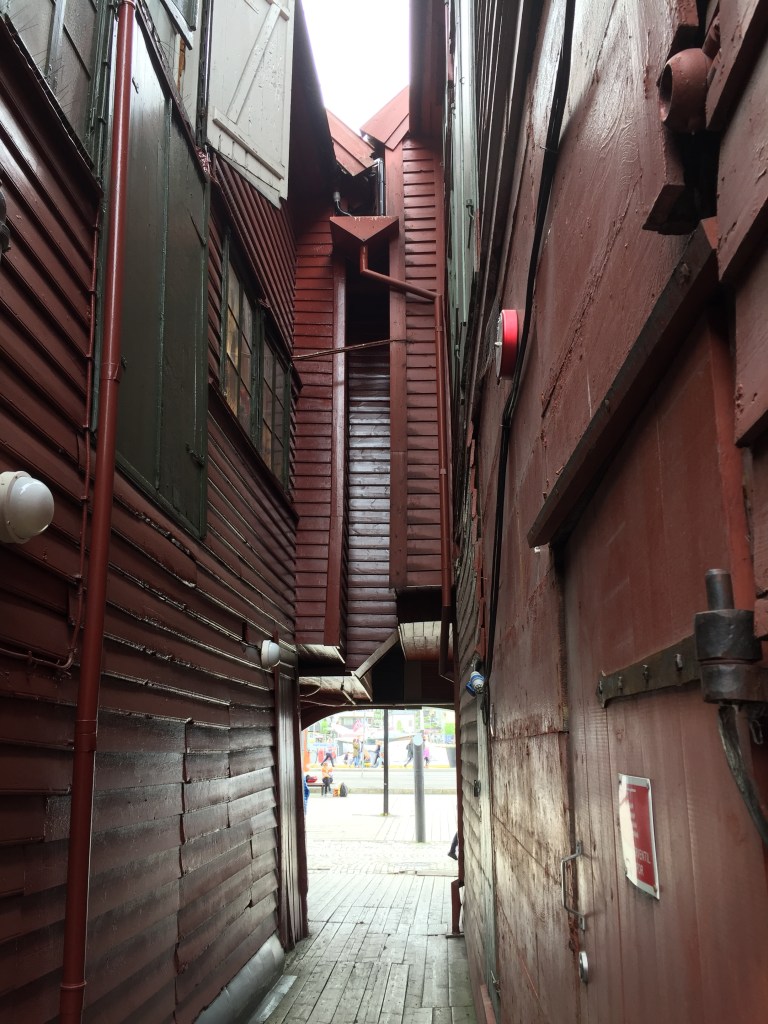
Bryggen 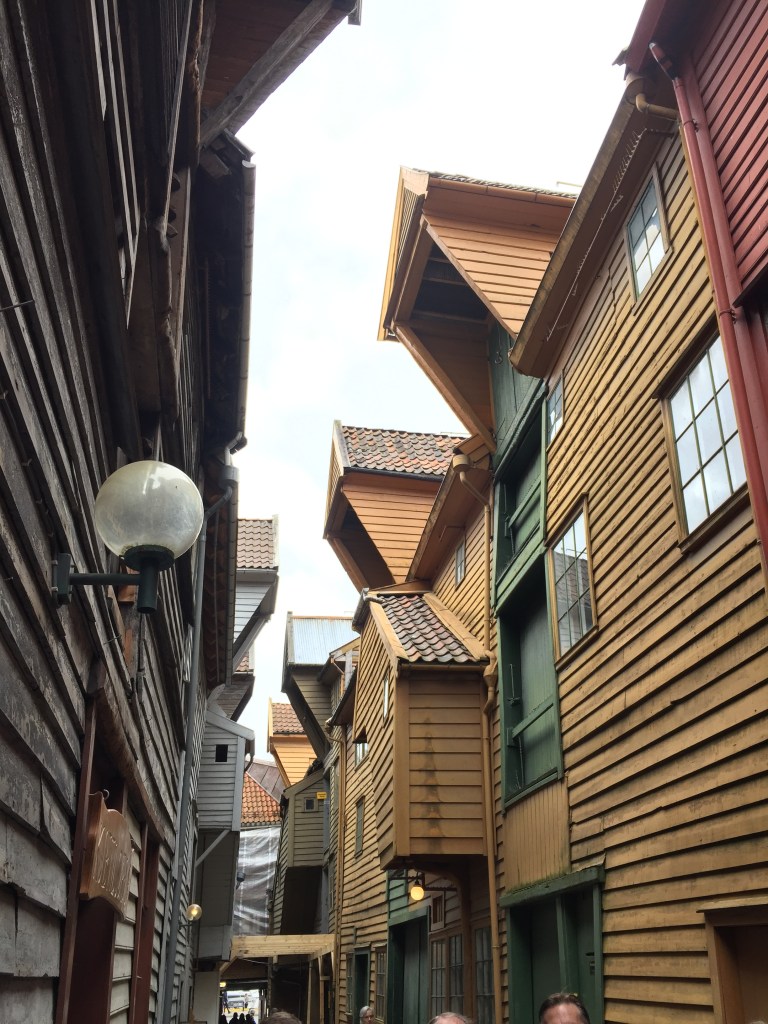
Bryggen 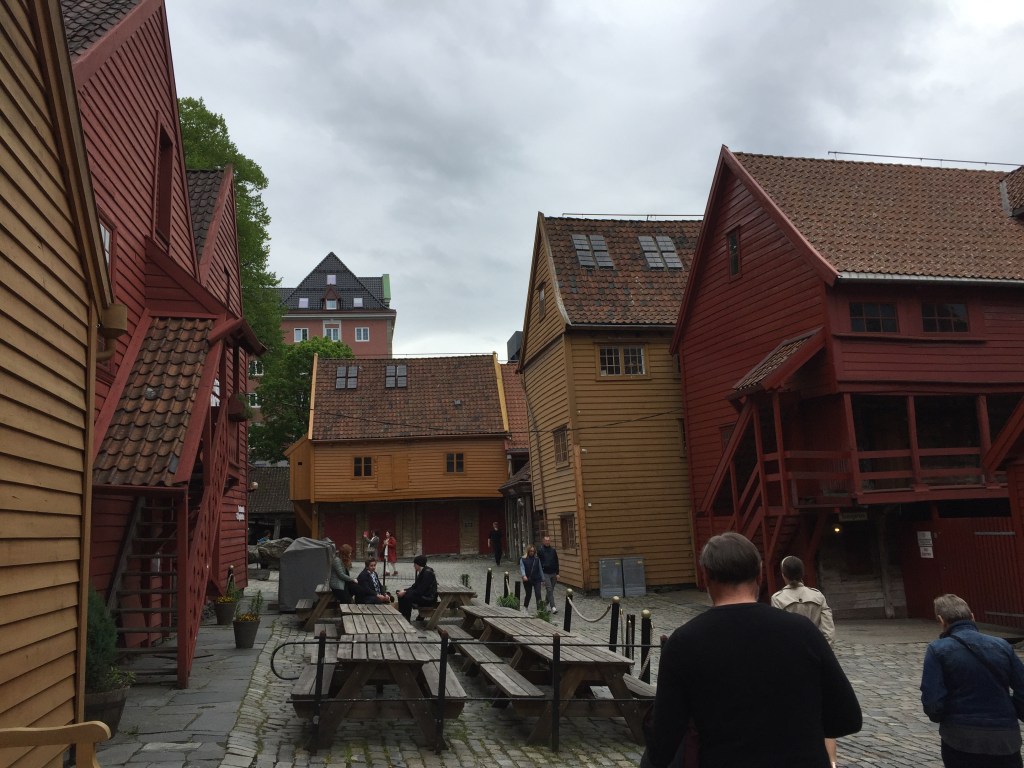
Bryggen 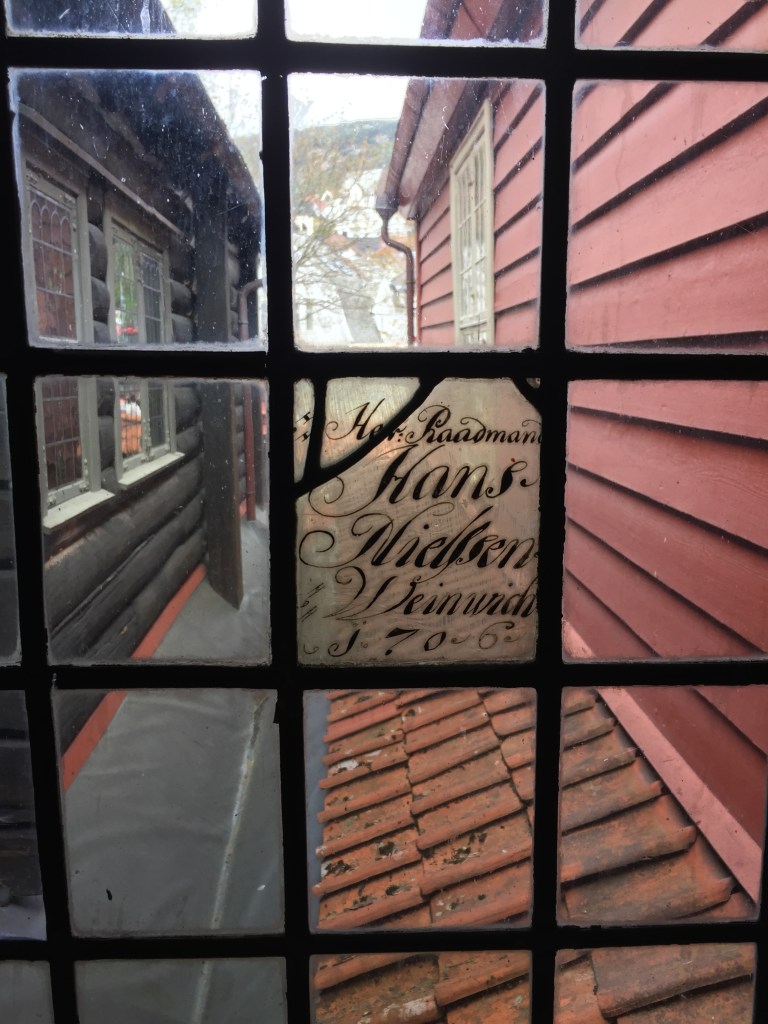
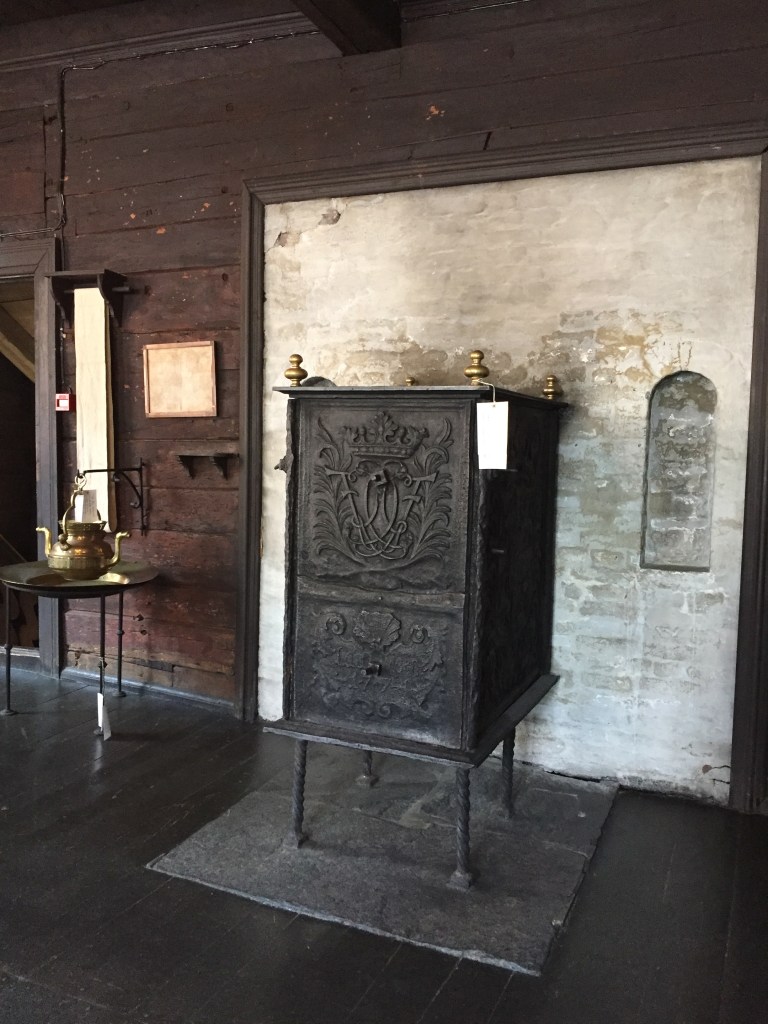
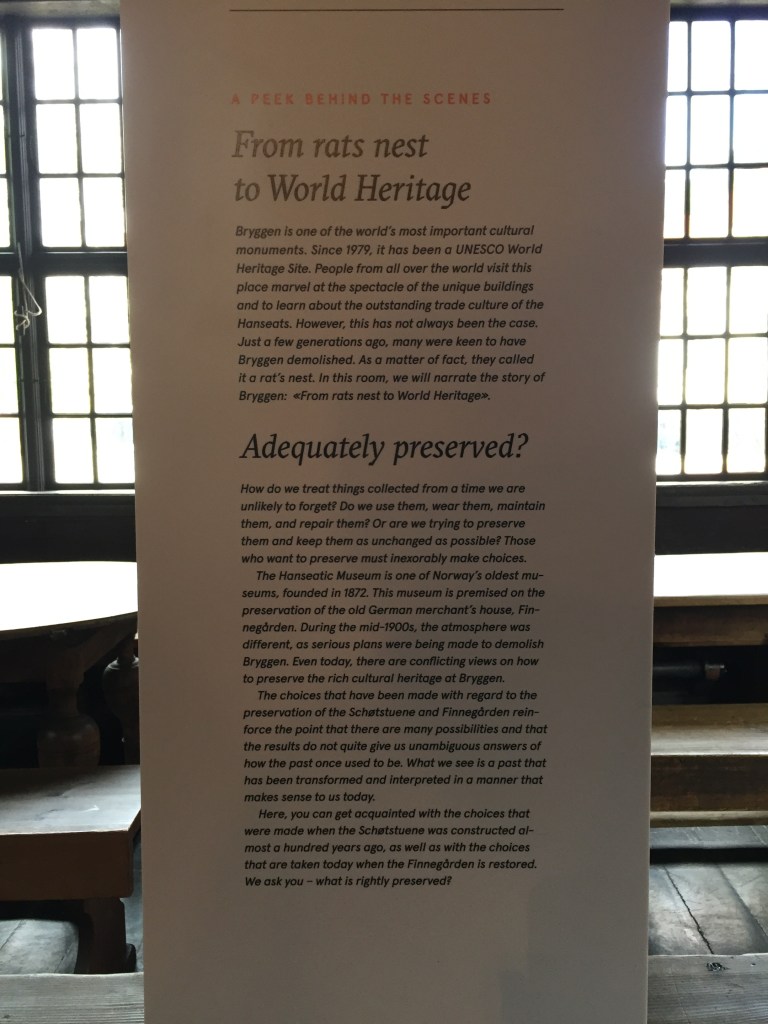
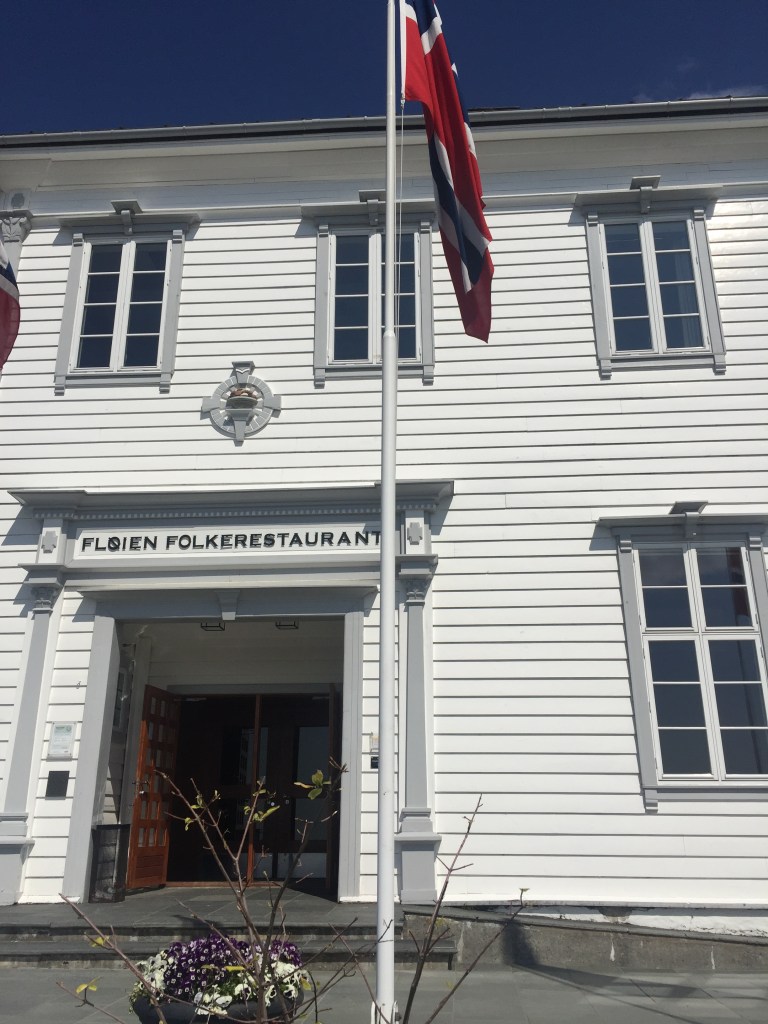
Restaurant atop Mt Fløyen 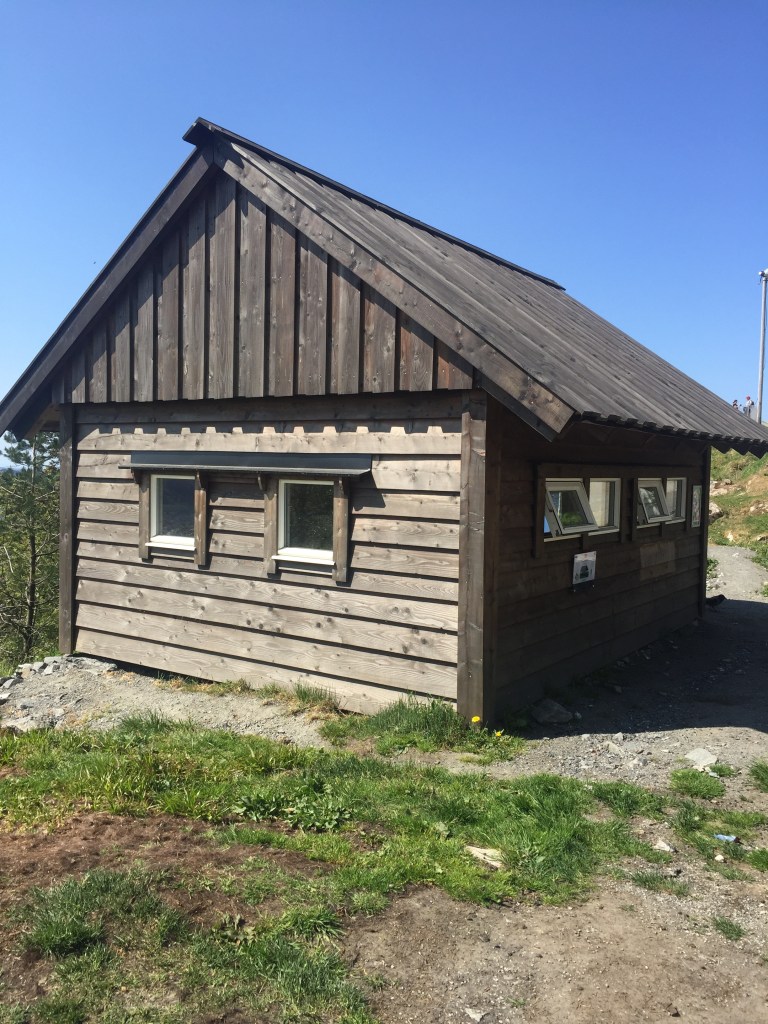
Traditional building atop Fløyen, (with odd modern windows) 
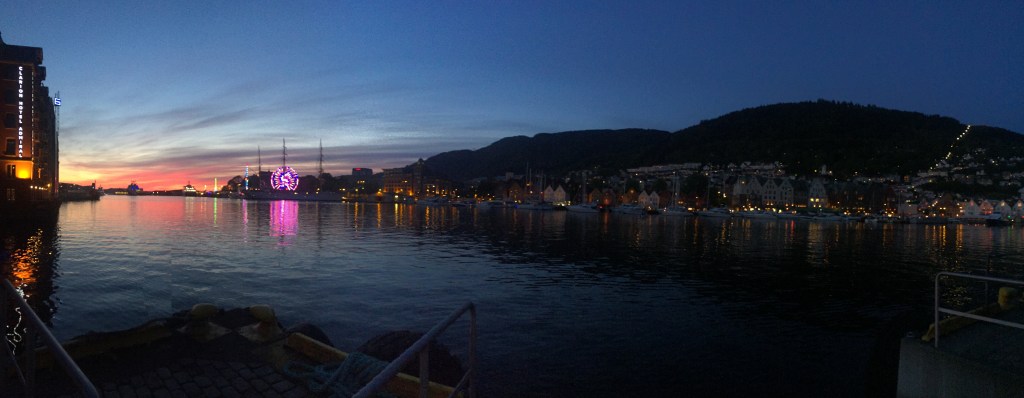


Tall ship in town for the festivities 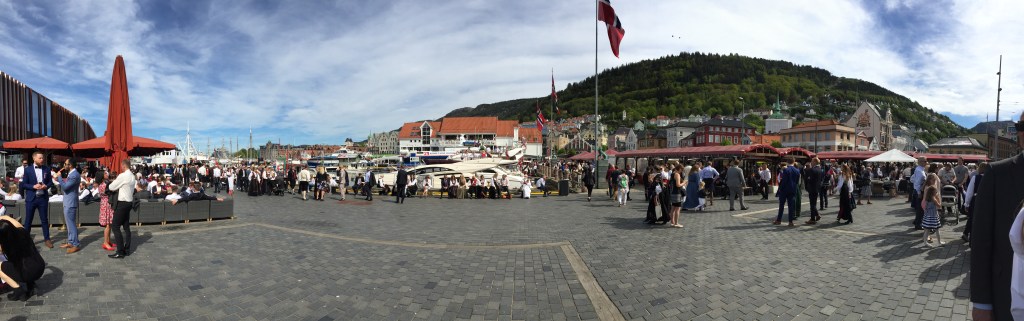
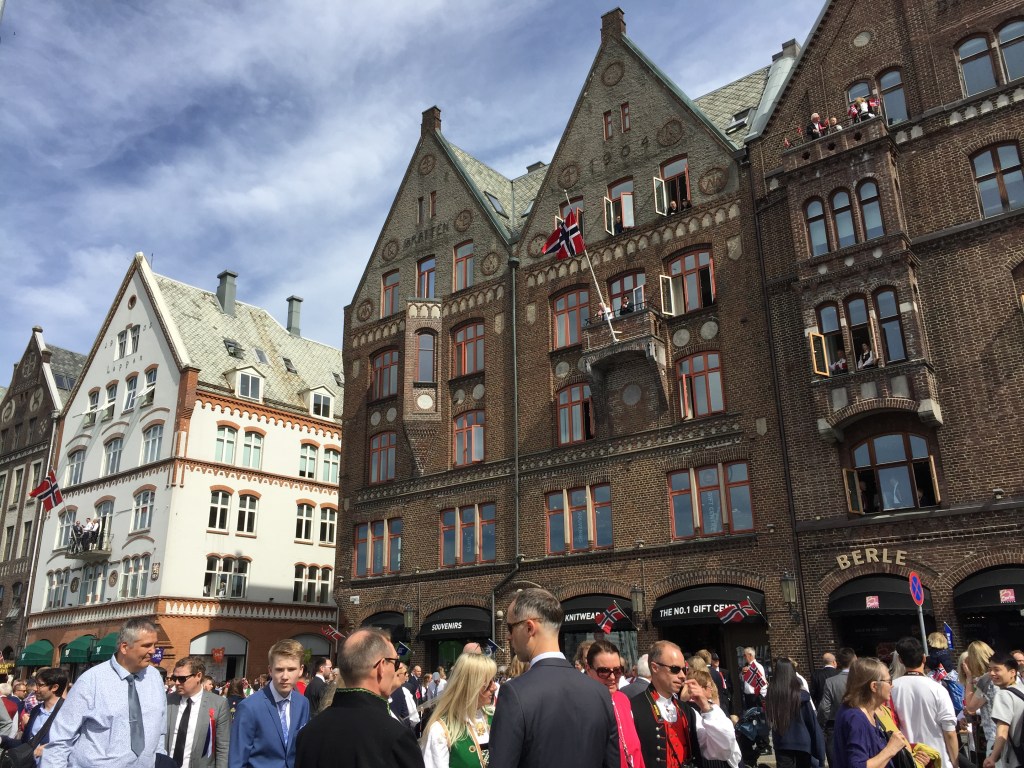
National day festivities 
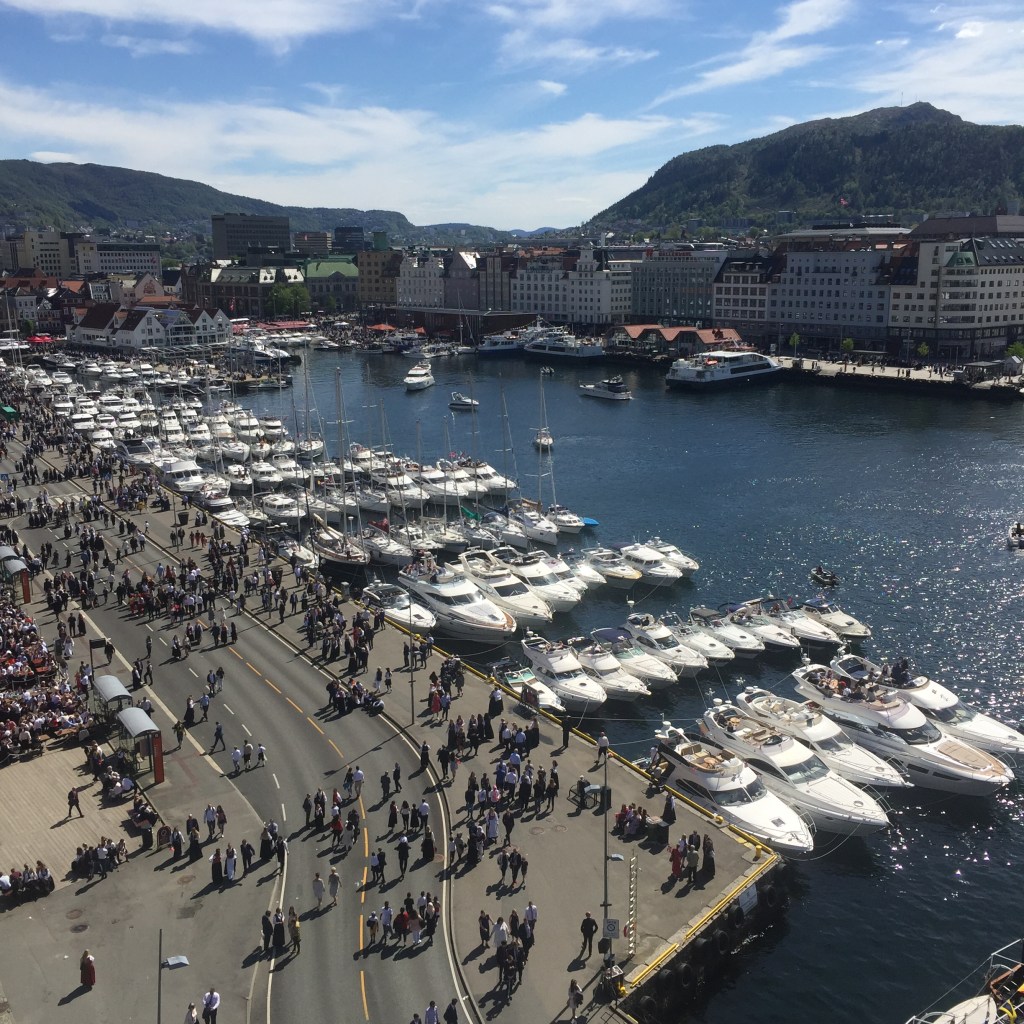
National day festivities 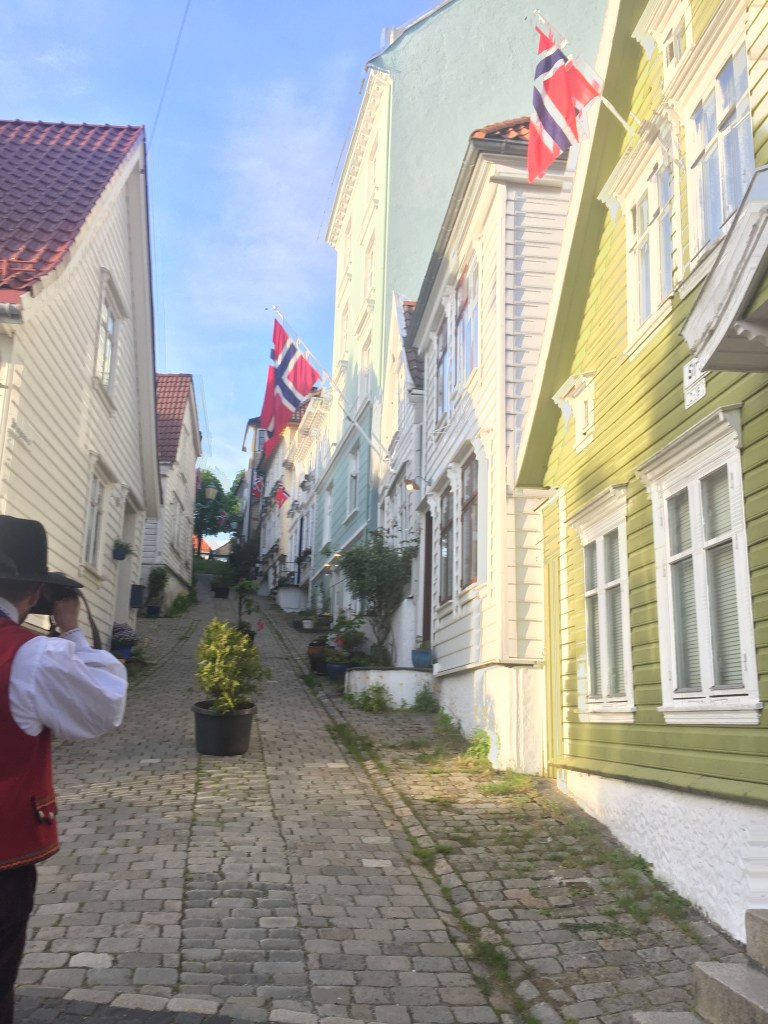
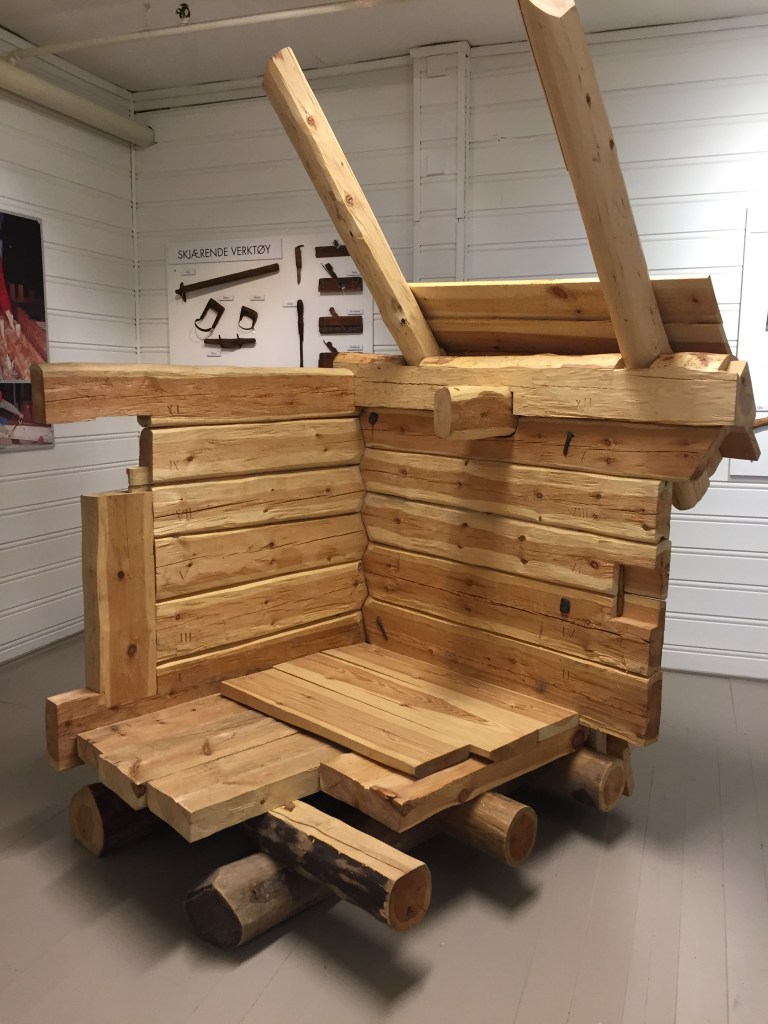
Bryggen museum model 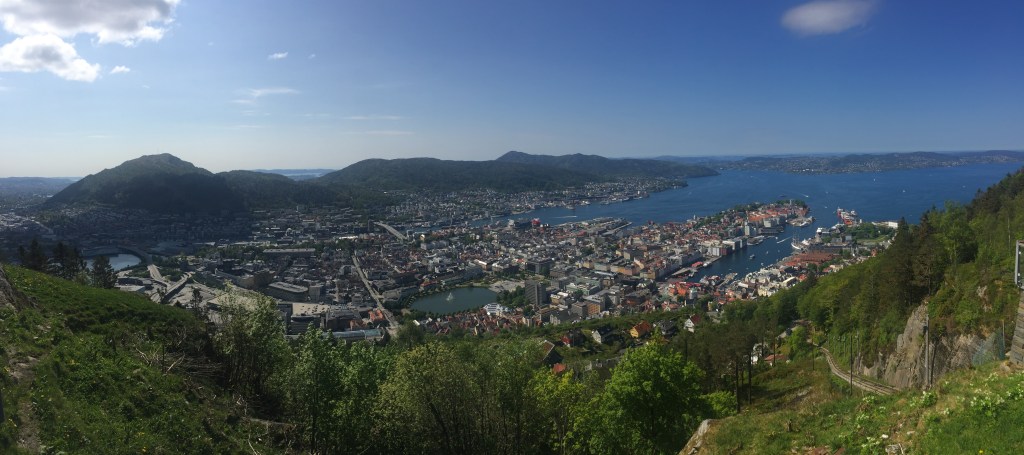
From Fløyen 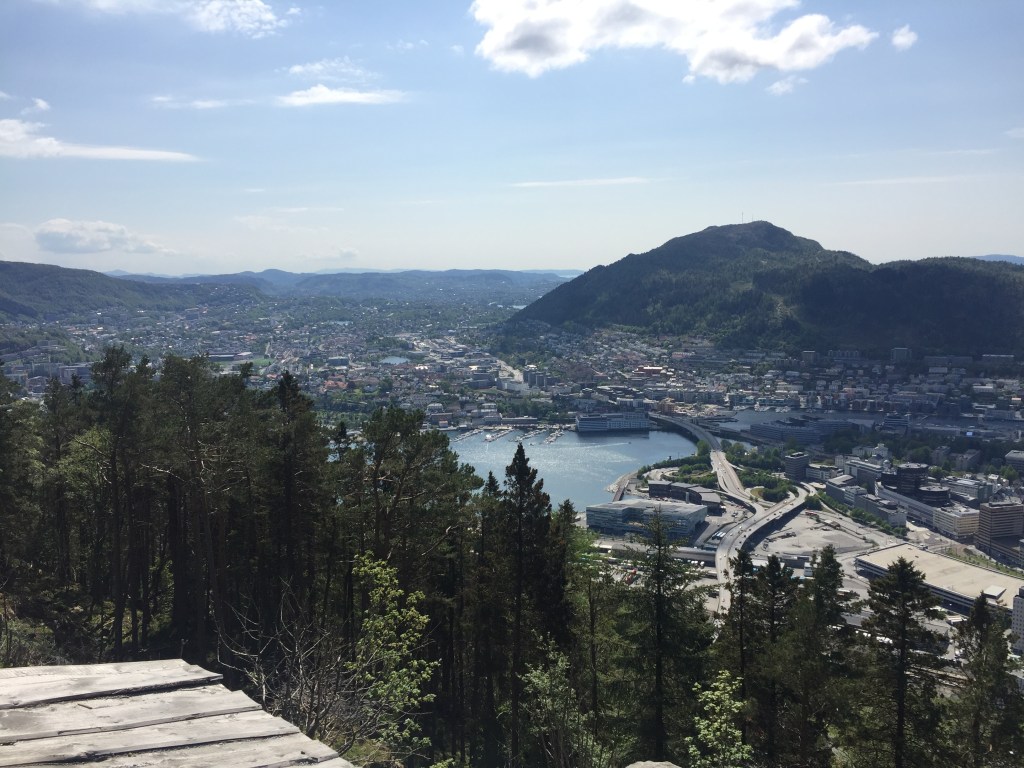
From Fløyen 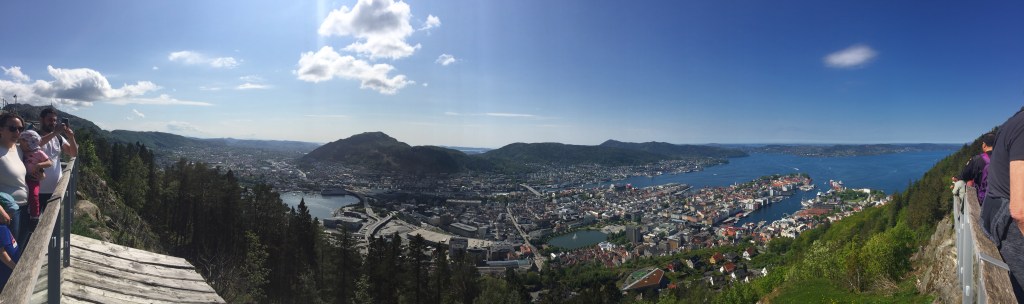
From Fløyen – the 7 mountains of Bergen 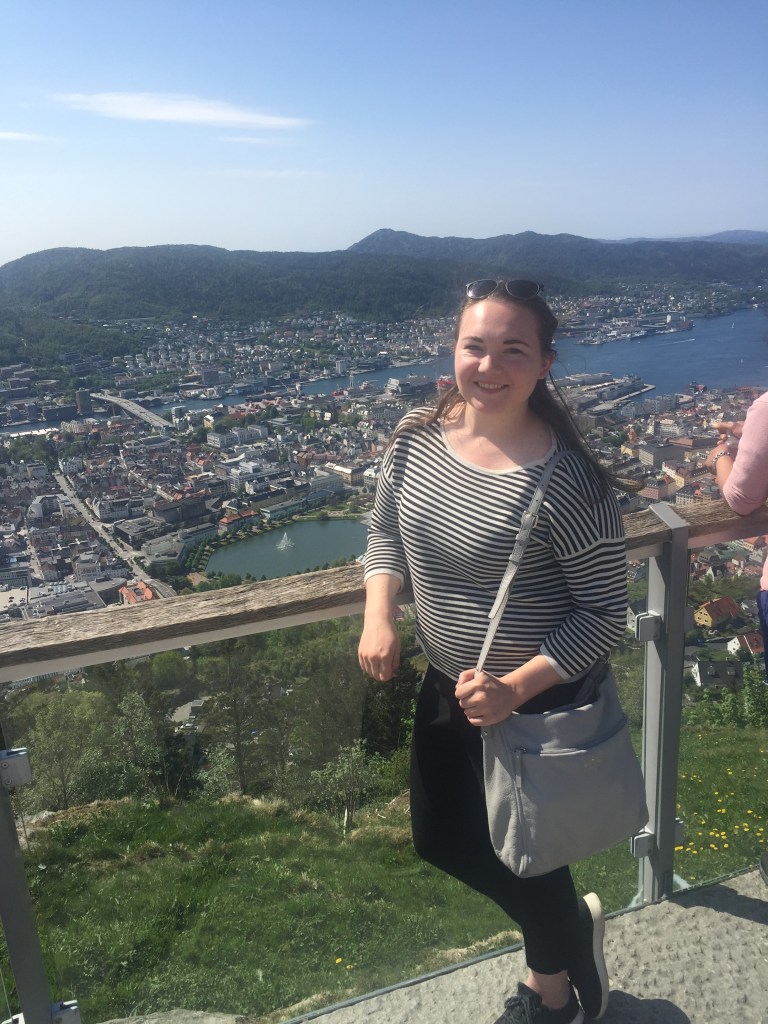
From Fløyen 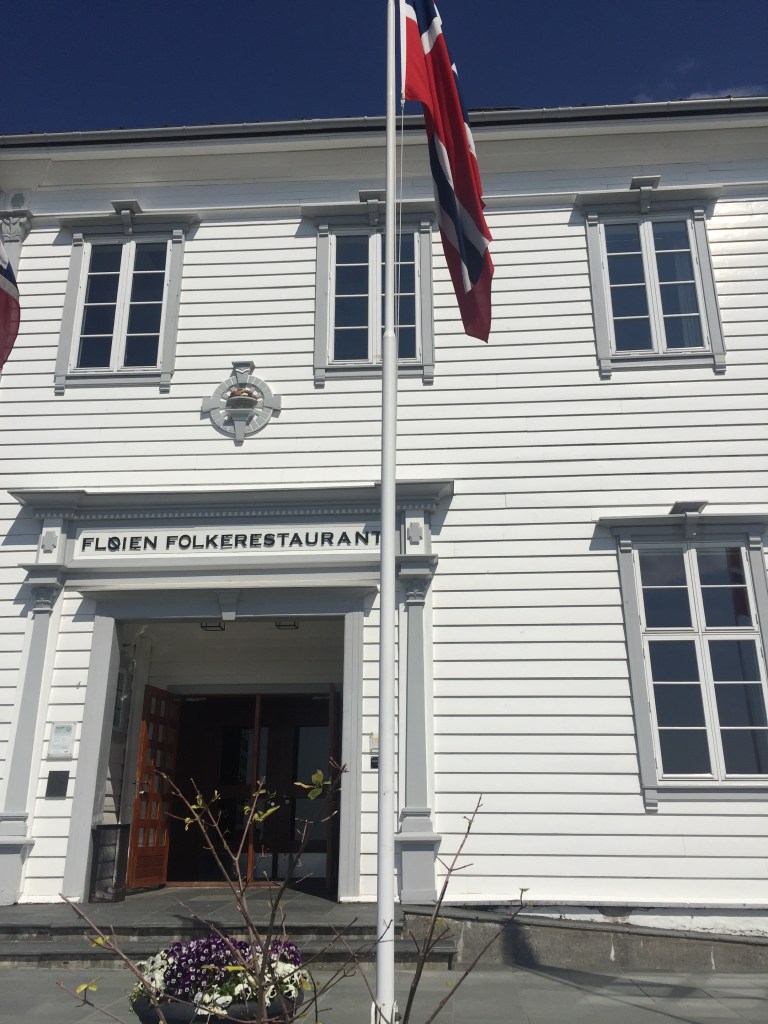
Fløyen 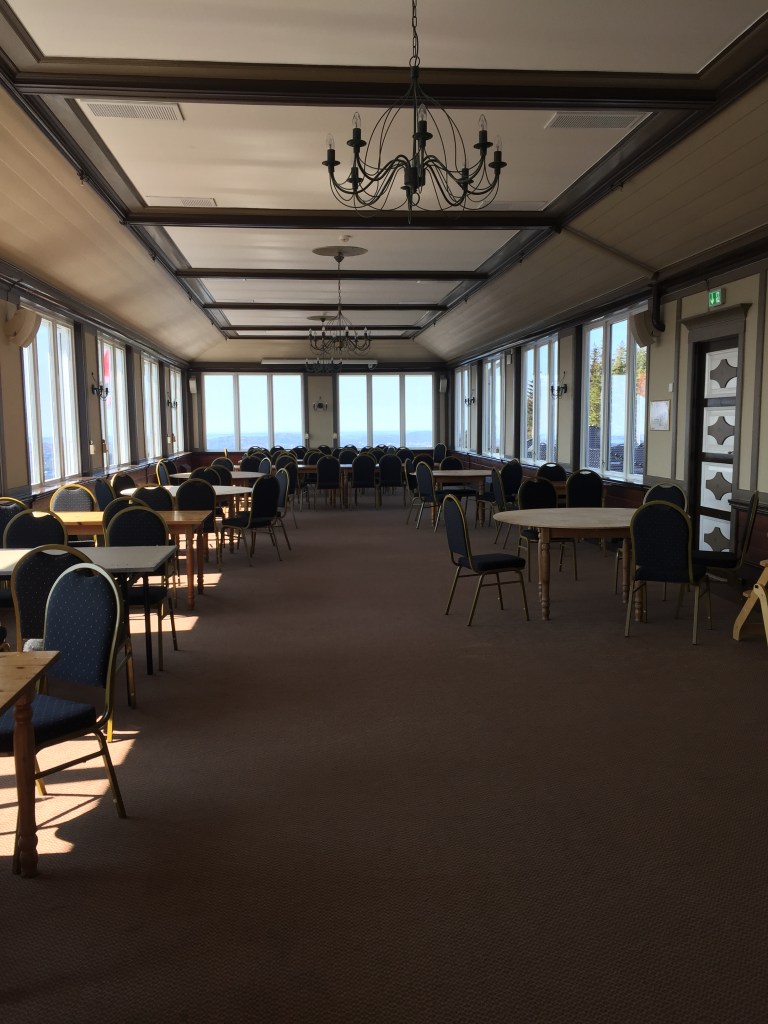
Fløyen 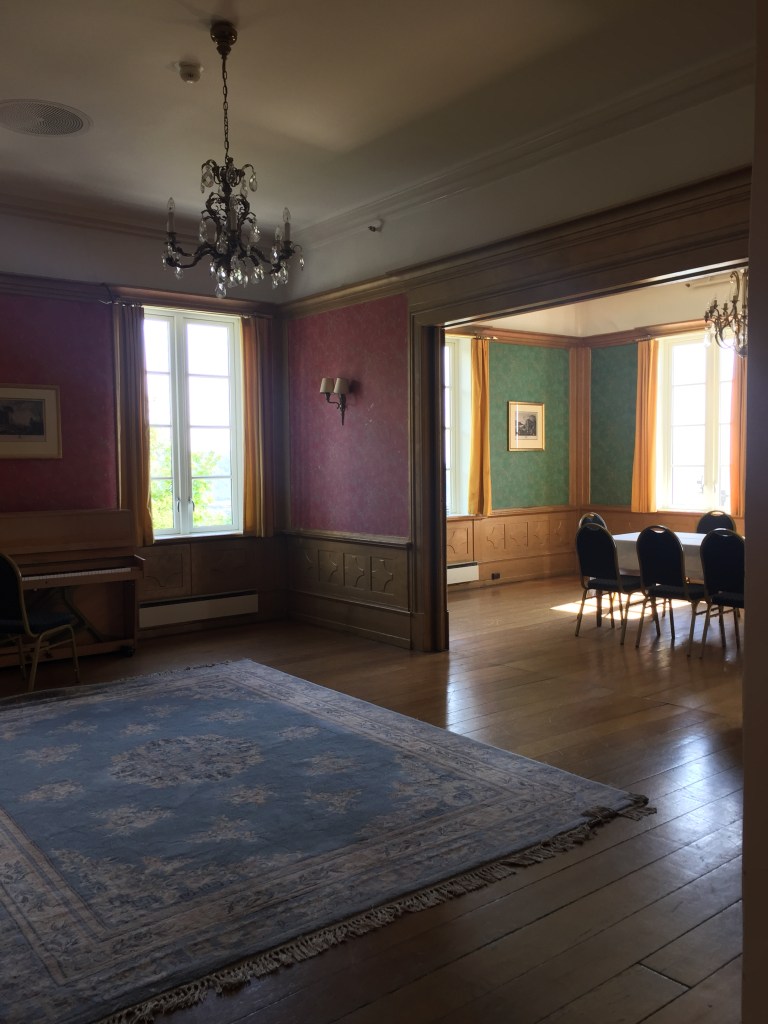
Fløyen 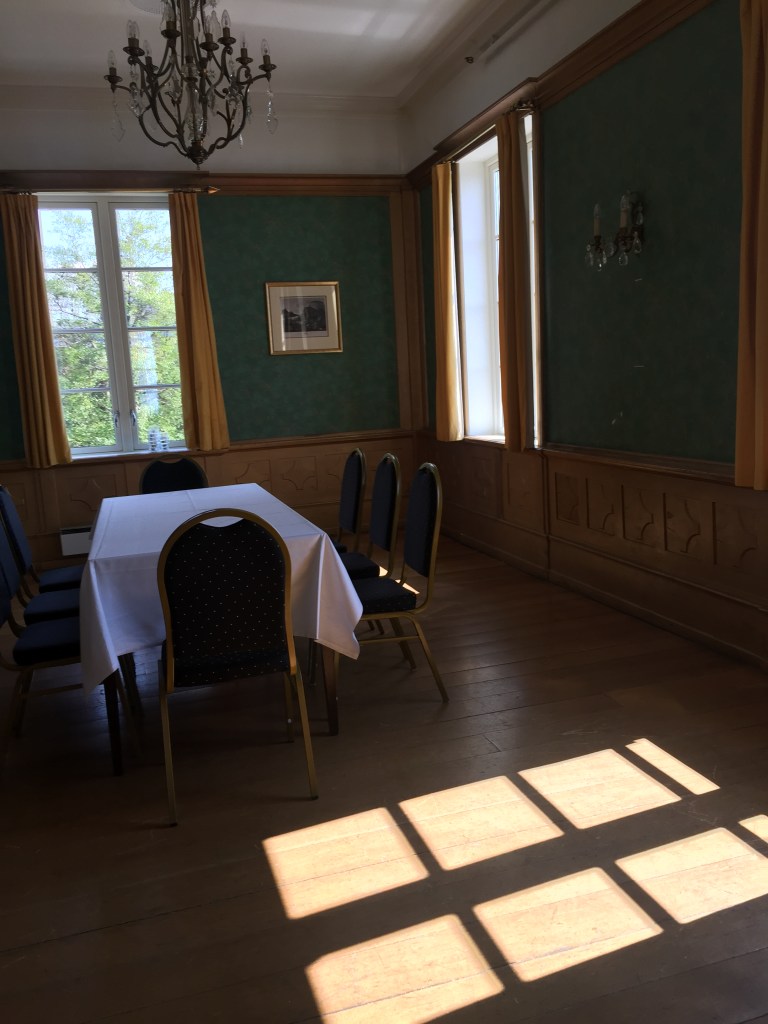
Fløyen 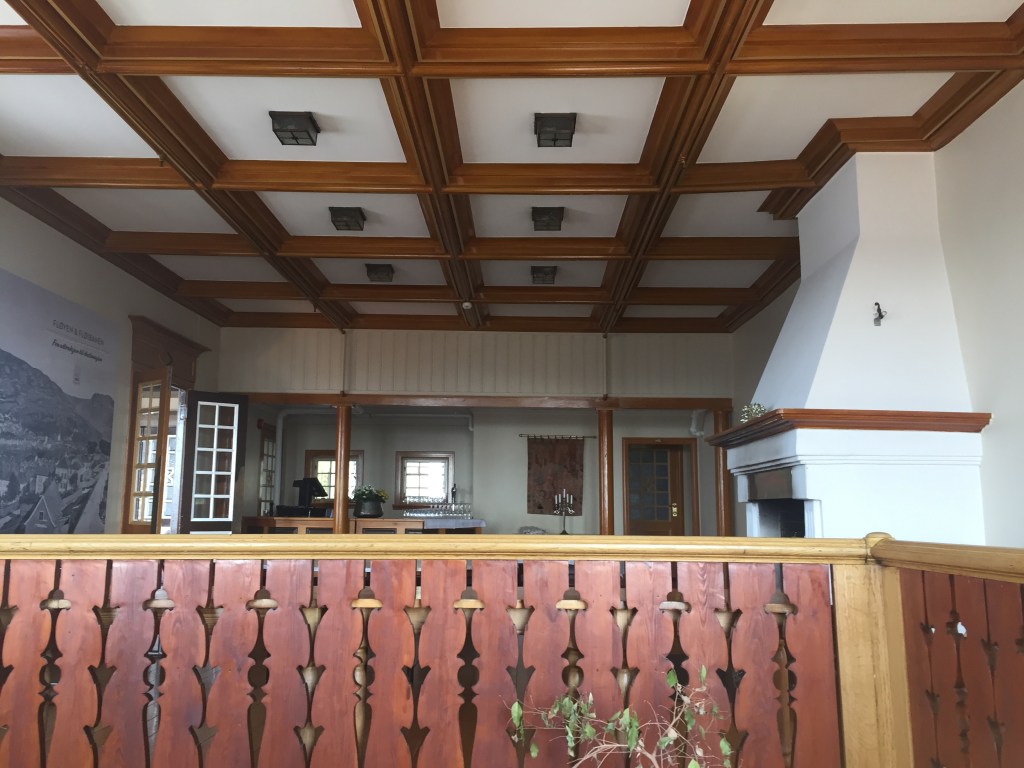
Fløyen 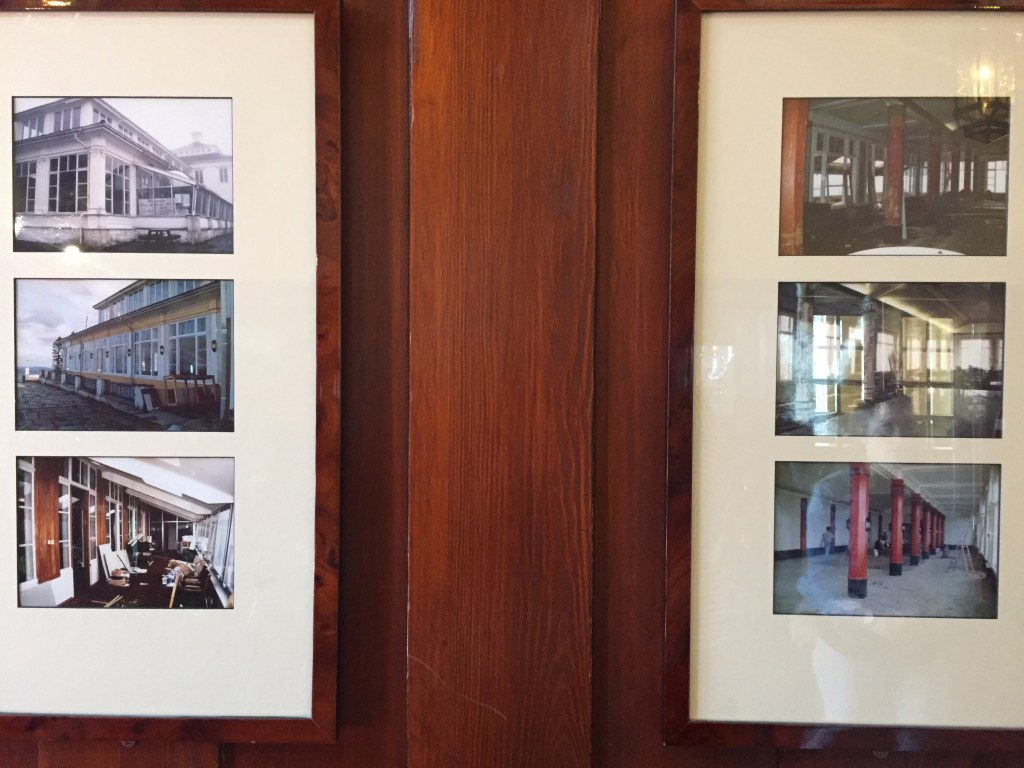
Fløyen 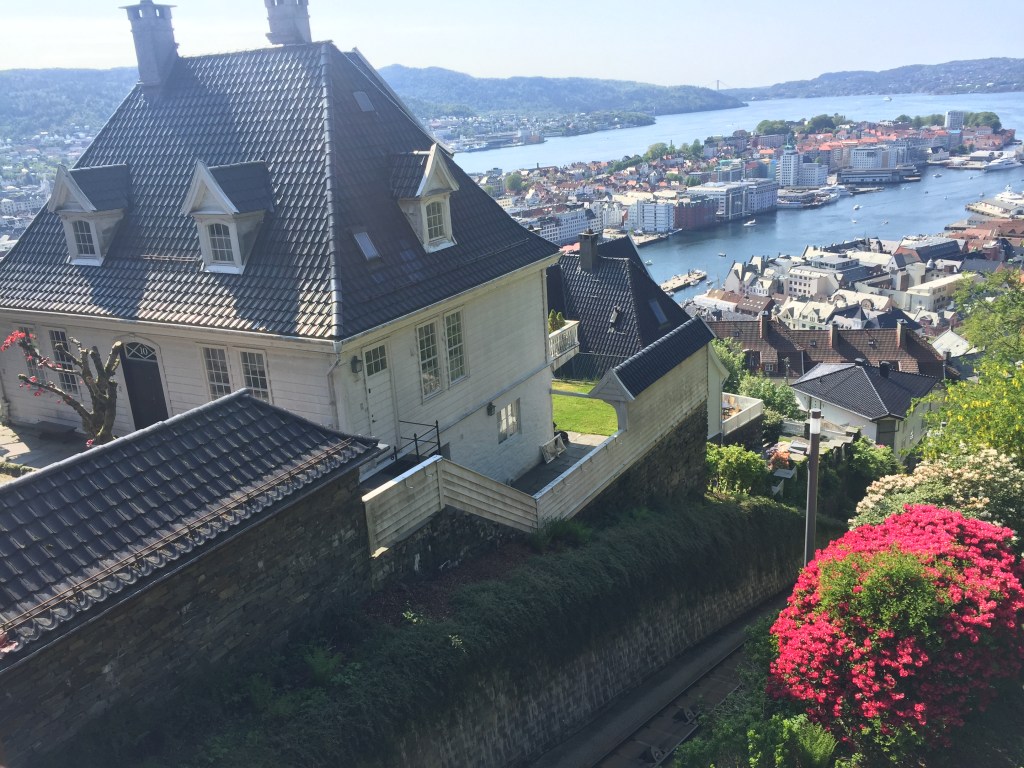
Making my way down the mountain… 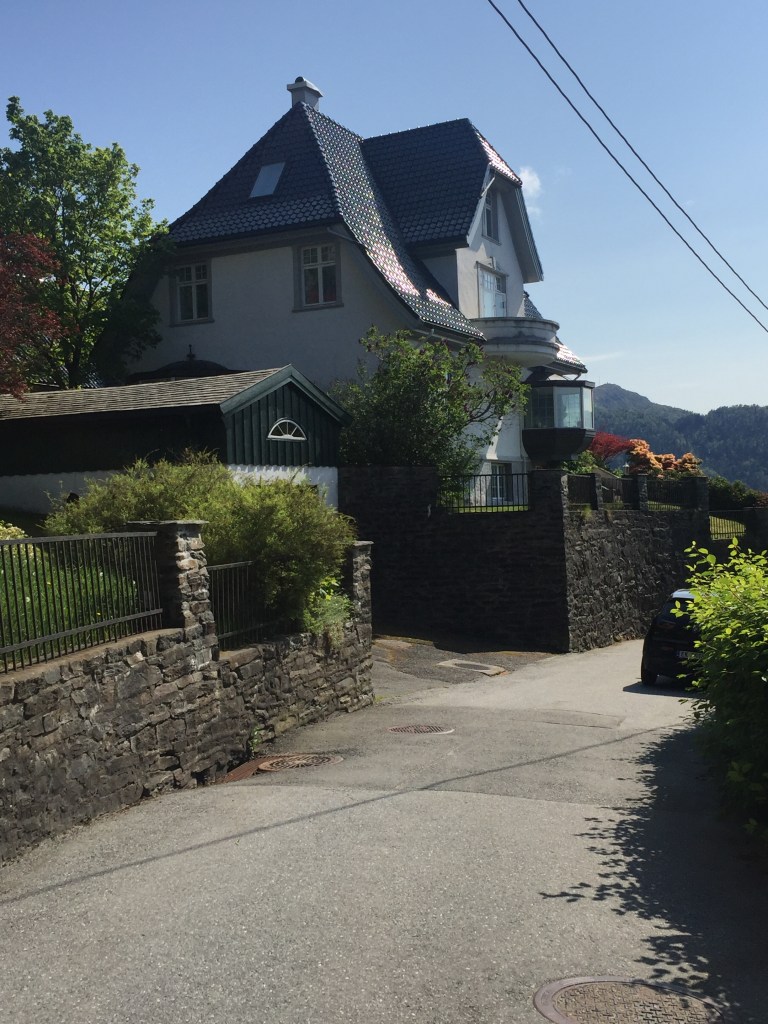
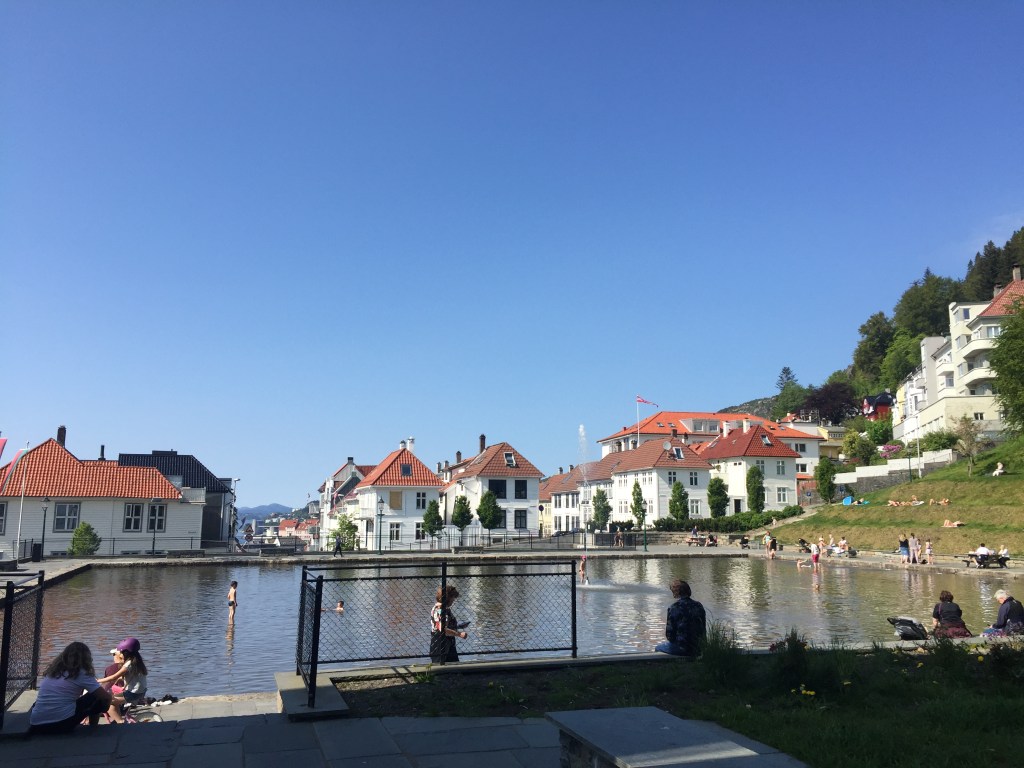
Wading pool outside of the old fire lookout 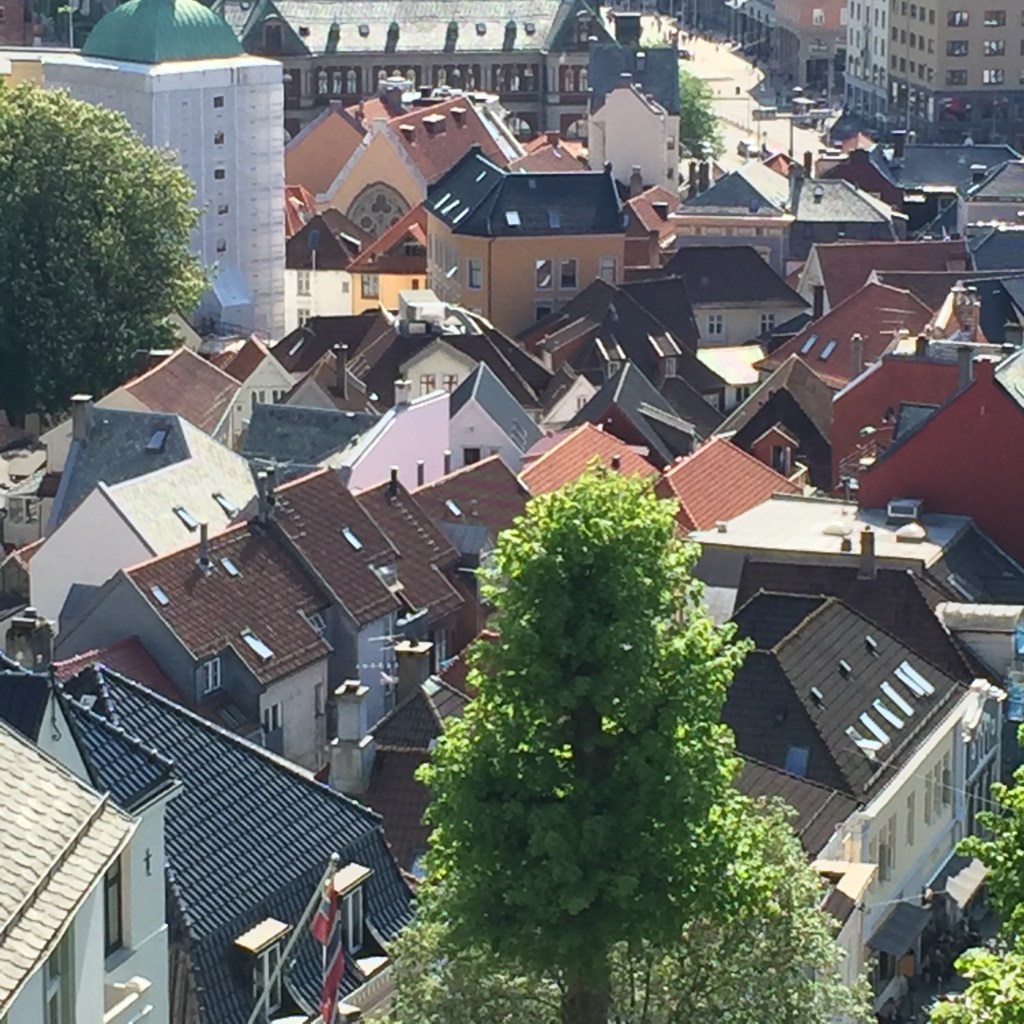
Rooftops of Stølen 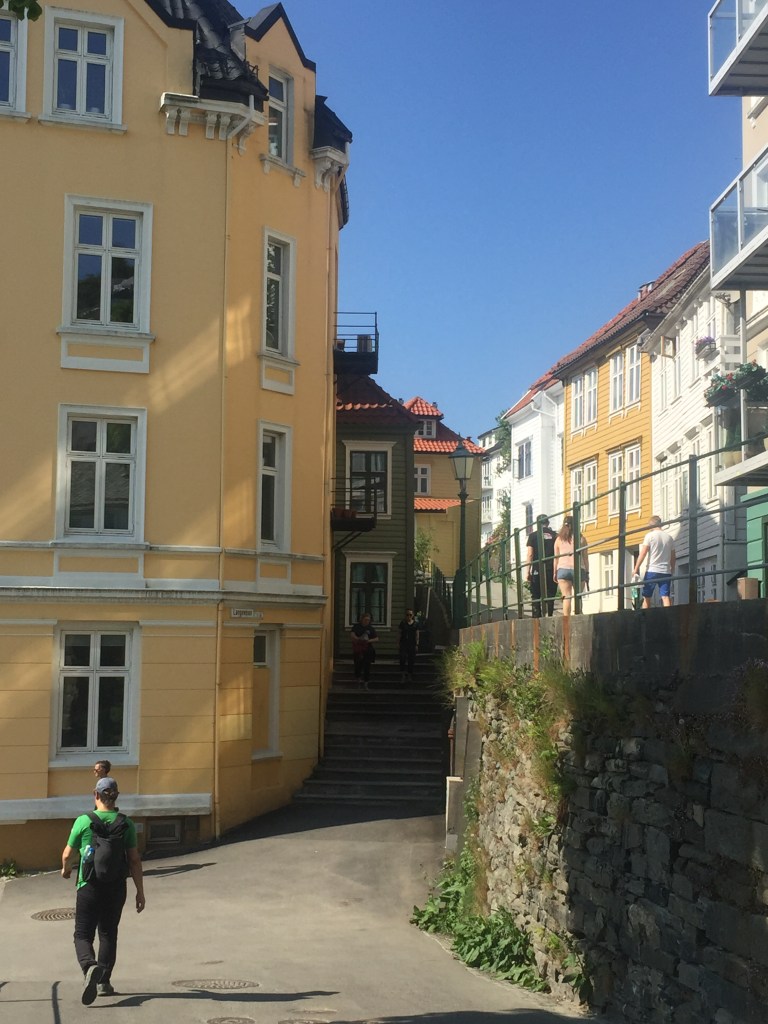
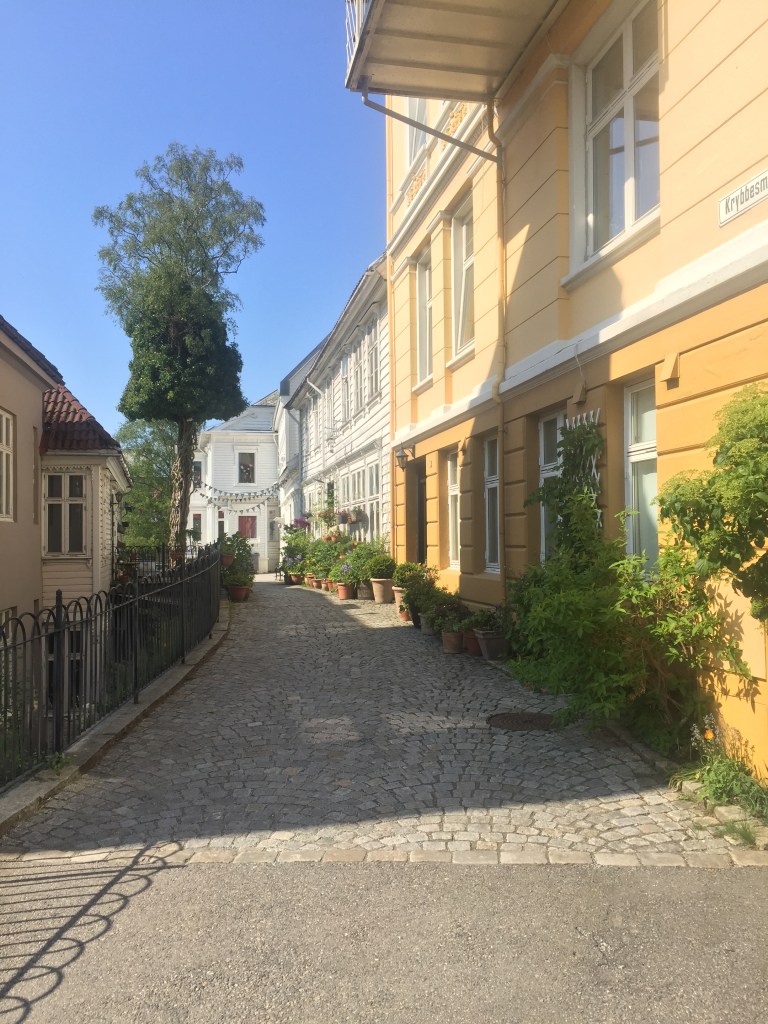

KODE 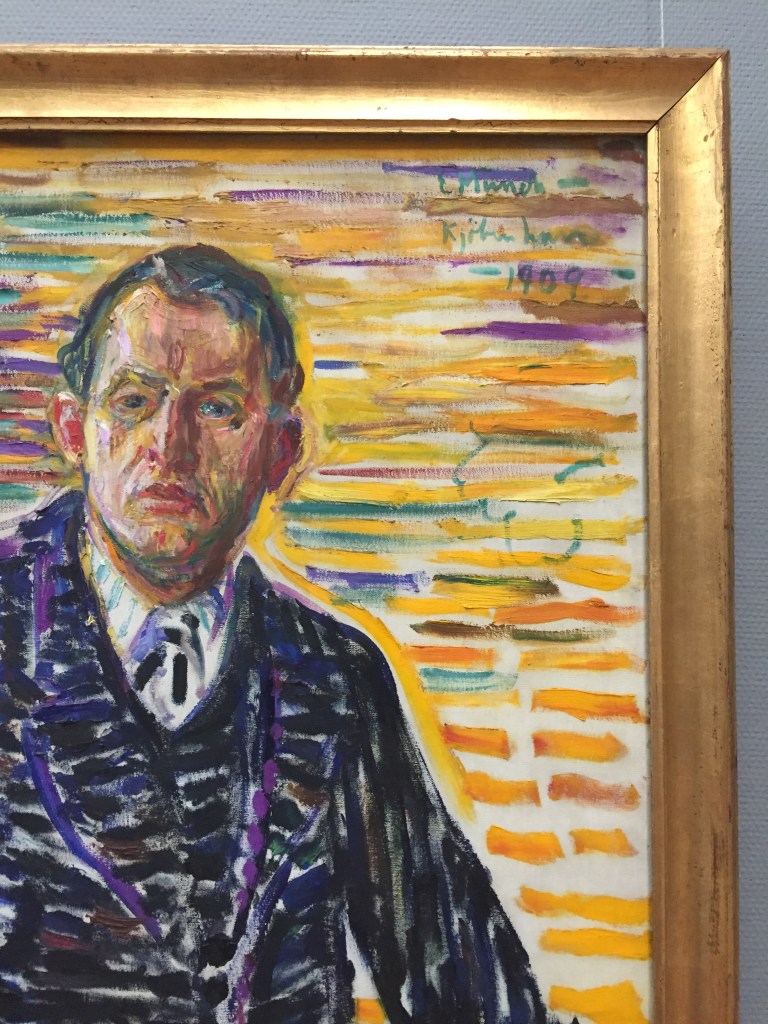
KODE 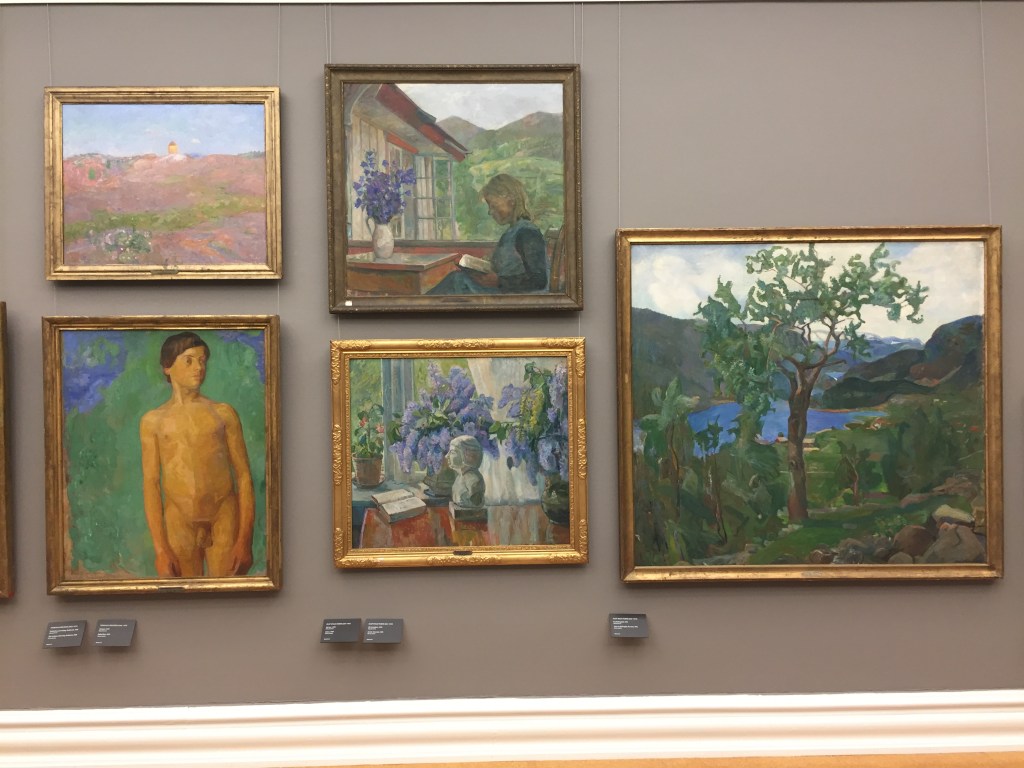
KODE
 Nordic Vernacular Preservation: A Travel Blog
You must be logged in to post a comment.