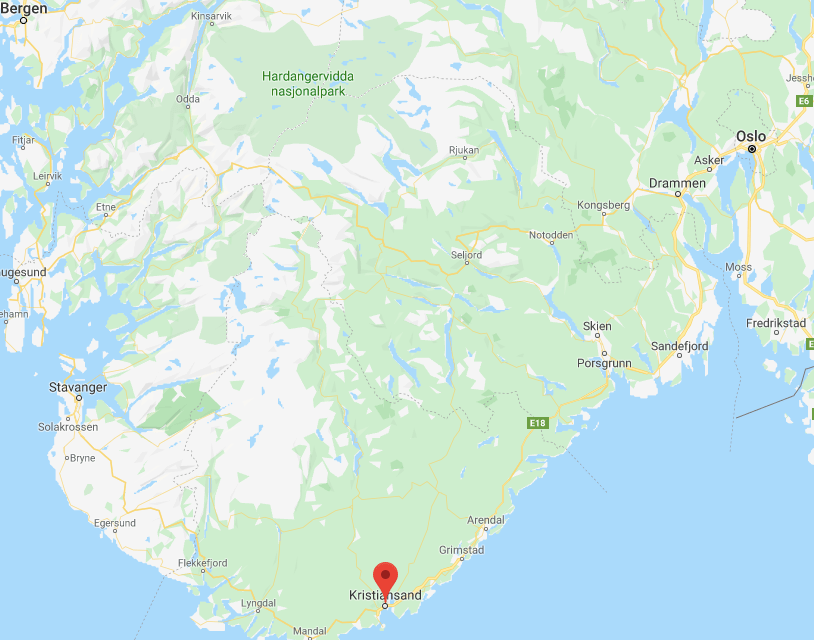
Arriving in Kristiansand, I had more to look forward to with several meetings planned with the city and county. I spent my first day taking in the city and viewing the fiskebrygga, a faux-historic development that attempted to present in a more modern way – however not by much. I had thought that new developments of this type would want take the typical approach and be vastly different from its historic context, but when asked about the design behind the development, the county representatives simply said it was similar colors and styles, but totally new. I’m starting to see that there are wide interpretations of the guidelines… Compared to the new arts and culture center next door, an ultra-modern work of “star-chitecture”, it doesn’t seem the Fiskebrygga is very modern at all.
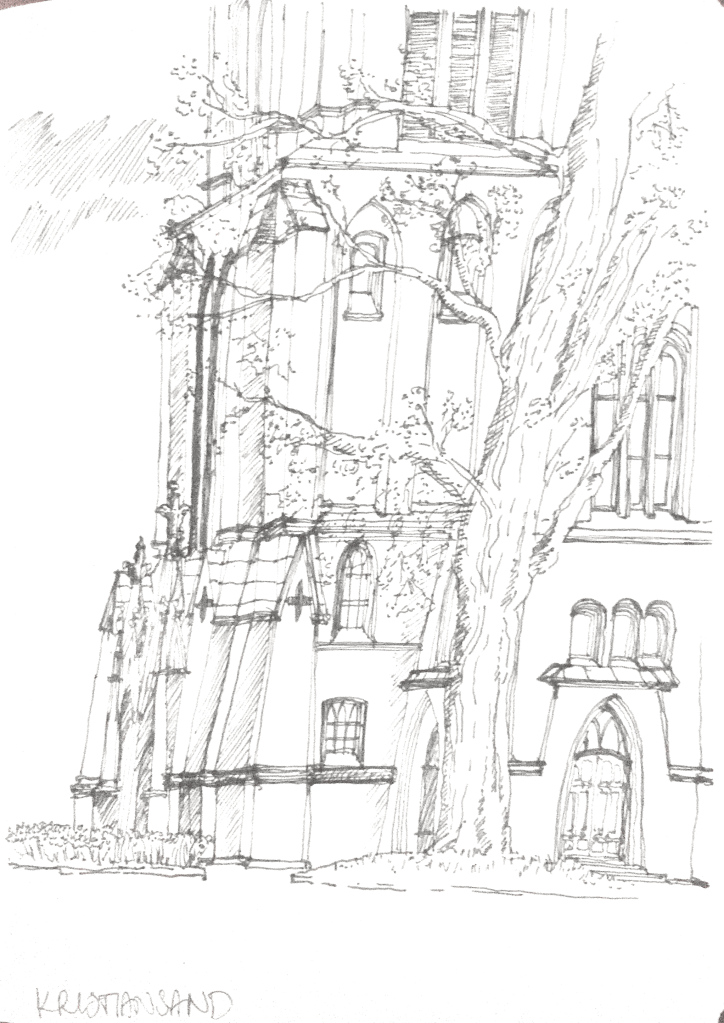
The meeting with the county was part interview and part walking tour. Language was a bit of a barrier for one of the members, but we translated as necessary. Through them, I received vast amounts of primary resources including maps, historic context reports, design guidelines, and illustrated pamphlets for the neighborhoods – so much so that I had to mail it home before I could leave! They taught me about two protected areas of Kristiansand in particular, Posebyen and Murbyen, mur– meaning brick and –byen meaning city or area. Posebyen has a more complex etymology, coming from the french repose, and referring to the neighborhood’s history of housing military soldiers in the attic (both German and Norwegian) during the war. Our tour started in the city rådhus and county seat which was a former brutalist hospital. We made our way through quarters of Posebyen, across through Murbyen, and finally along the waterfront, pointing out historic buildings and renovation successes and mishaps along the way. Surprisingly to me, quite a few brutalist buildings exist in Kristiansand, confirming the theory about wealthier cities…
Many of these and the sizable collection of modern buildings are now under threat by developers who have the support of the citizens to rebuild new. Developers have begun seizing entire blocks and connecting them through the courtyards to create quarter-sized malls, many of which are empty of customers. As such, the shopping district in Kristiansand is limited to fast fashion and national brands which I can only imagine takes away from the individuality of the city.
Back in Posebyen, I inquired about the mix of residents and the status and health of the neighborhood as it was in poor condition for many years. Currently it is a mix of students, hip small families, and wealthier residents who are looking for a home with historic charm. Encouragingly, the reps noted that Kristiansand owners typically find value in older buildings and that the area is a mix of restored, wealthier homes and fixed-up rented out homes for students
Take-aways:
Wealthier towns and frequently larger towns, have had more renovation and renewal. The community can afford to preserve and has the needs and uses to keep the buildings used and alive. They can become a vibrant part of the town. As more people want to remodel them, the outsides remain the same but the interiors and courtyard sides can become as modern as needed as long as they adhere to a 50% lot coverage maximum. More shops and opportunities = more immigrant from outside of Norway. Some populations do not have the traditional Norwegian regard maintaining their houses which results in fires and deterioration of historic buildings. Kristiansand faces wooden house fires more commonly and has instituted a camera system to look into the courtyards to watch for emergencies. Kristiansand also faces issues with registering residents of dwellings who are renting. In one case, police searched for a mean who was listed on a building, but instead found he never lived there and instead found 20-some people had lived there. This is a big problem for the city. Many old buildings are being converted to flats as newer administration and services buildings are being constructed outside fo the city.
Politicians don’t want to pay for restorations in other counties, but the
Kristiansand community bought several threatened buildings in the city and has restored them for community services or leasing.
 Nordic Vernacular Preservation: A Travel Blog
You must be logged in to post a comment.