“Nothing is more important as the identity and livability of a place in bringing economic success” -Robert Salow
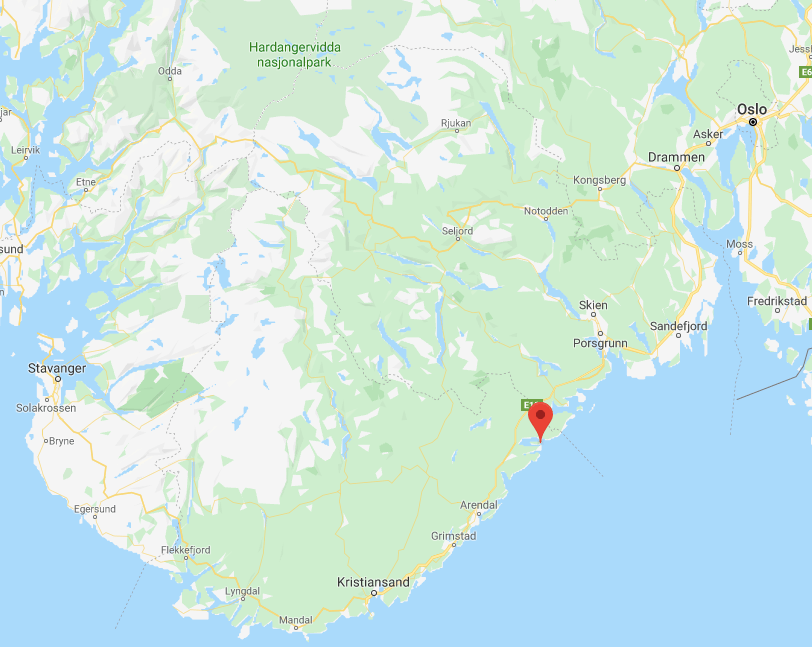
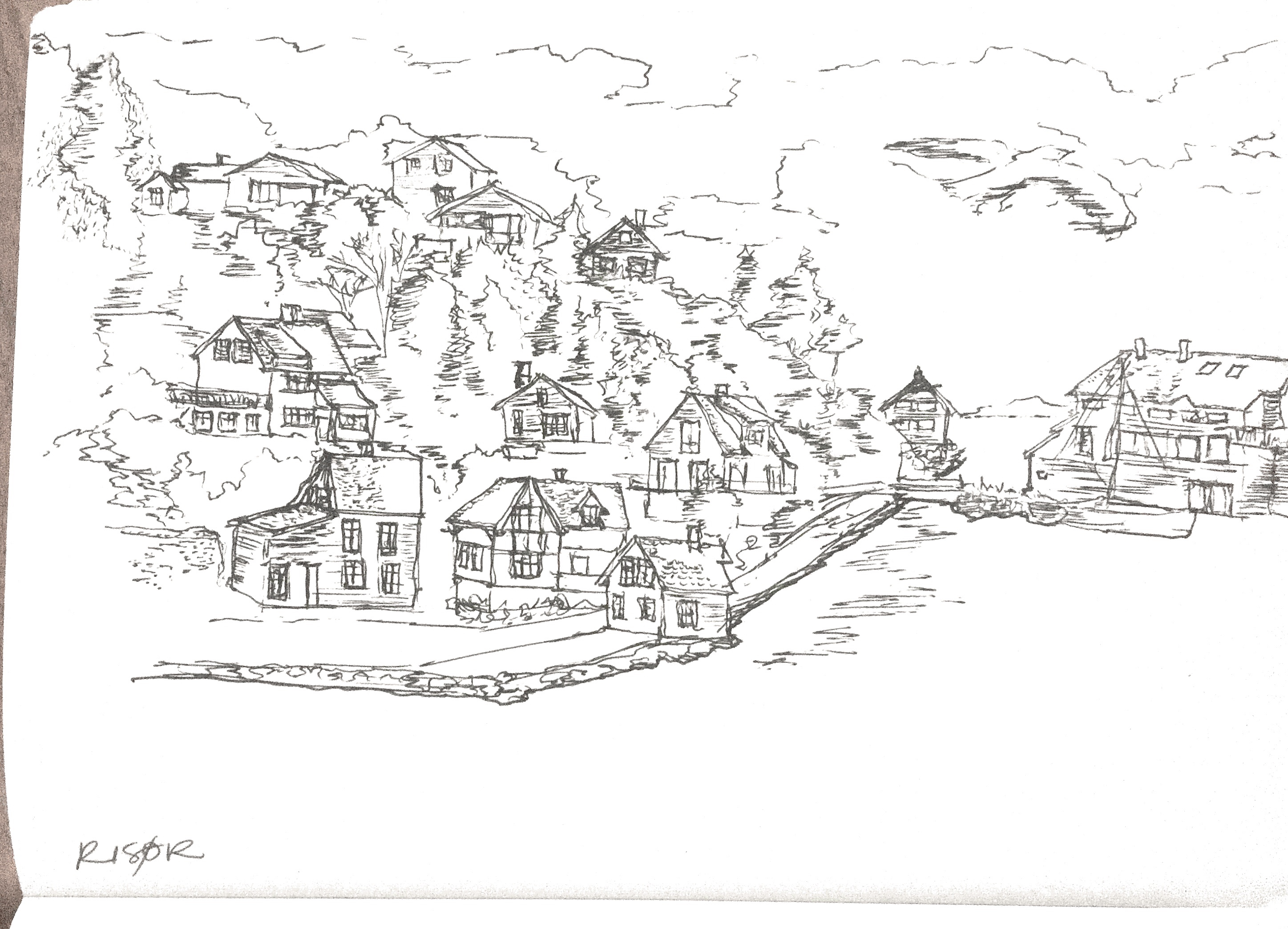
Risør is about 45 minutes from Kragerø by car, but was about a three-hour journey by bus due to the holiday schedule. I arrived to find an extremely quiet town situated in a valley, bordered on either side by steep mountain slopes – a small fjord perhaps? The central area of town is located in the valley along the water, but the oldest area of town, Tangen, is around a bend just south of the town center. In 1861, the entire area of town in the valley burned, leaving only Tangen and a few homes and structures further up the valley spared. The story goes that once the fire alarm went out, the town residents all banded together to put out the fire around the town parish at the expense of their own homes. My Airbnb was a lovely 20th century now-historic home built during the rebuilding and growth of the town up the hill side. This period of regrowth allowed the city to do away with its narrow alleyways and, as much as they could, set the city on a grid of wider streets. There are still many areas in town of winding roads and paths and trails to other streets that bring charm to the city.
Even in the south of Norway, being so far north meant that there was a distinct issue of low light conditions living in a valley, and higher social classes built and resided on the solsiden or sunny side of the valley. Risør was no exception, being angled in such a way that much of the south-eastern valley slope faced north and received very little direct sunlight. Part of the town growth included building on top of the hills, such as my Airbnb house did, in order to gain the sunlight that was so valued – it just required a longer, steeper walk into town.
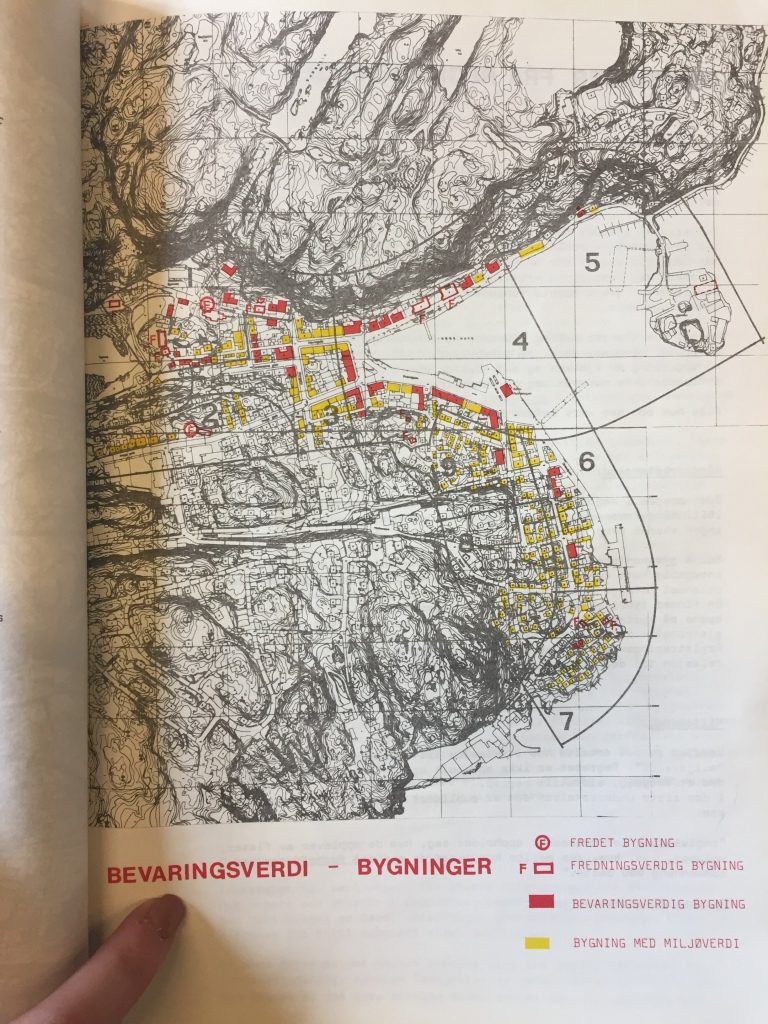
Risør was the location of the 2019 3rd annual Nordisk Træstadskonference. I organized much of my travel around attending this conference in order to listen in, but more importantly, to speak with members of the Nordisk Treby organization. My contact from the organization was very helpful and excited about my participation, however he was unable to attend the conference and I attended without a mentor. My experience at the conference was unfortunately one of the poorer parts of this trip. I didn’t quite know what to expect, but found it to be a rather unwelcoming atmosphere. That aside, one acquaintance I made from Helsingør was very kind and helped explain several of the lectures that were not in English. Mid-way through the conference was a walking tour (in Norwegian) about the town and recent historic renovations. I toured with them and understood some, but took in the town experientially. A highlight was a tour of a full renovation of a building in the heart of the historic town center: a full gut and a rather controversial plan for renovation. The town interprets the Venice Charter liberally, as does much of Norway, and the renovation means the new space should be drastically different (read: modern) from its context.
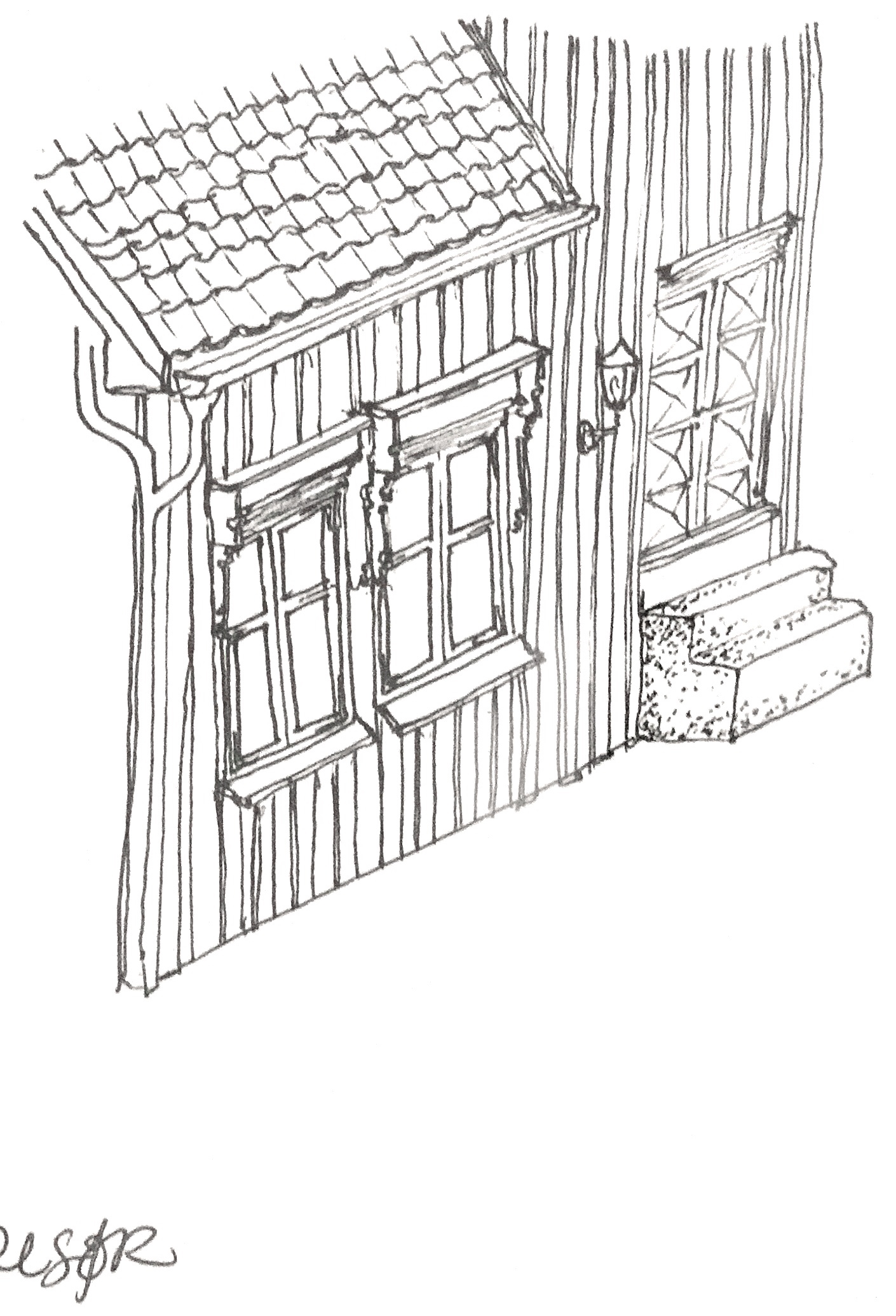
Buildings are nearly entirely intact in the town center because as factories declined in the 60s and finally closed in 1970, the city was poor and could not afford to tear down several blocks at a time and built a new Rådhus as was the trend.
Take-Aways:
-Poorer towns are more intact, yet still lack the funding for restoration and tourist information. The smaller towns seem to attract less immigrants and families, from Norway or other, due to less jobs and fewer prospects. In small towns where industry has left, the town is quite poor. If it is a resort town, it has summer tourists, but struggles to maintain a population in the winter. Shops in these towns (Risør and Kragerø) have a live-in rule for homes in the town center but often the shops are closed for winter. Less open shops = less interest and less regular jobs = less eyes on the street.
-Wealthier towns, and frequently larger towns, have had more renovation. The community can afford to preserve and has the needs and uses to keep the buildings used and alive. They can become a vibrant part of the town with the proper protection. As more people want to remodel them, the outsides remain the same but the interiors and courtyard sides can become as modern as needed as long as they adhere to a 50% lot coverage maximum. More shops and opportunities for families and immigrants exist.
 Nordic Vernacular Preservation: A Travel Blog
You must be logged in to post a comment.